Cancer Survival Rate Explorer
Select a cancer type below to see how survival rates change based on the stage at which it is diagnosed. Note that these are approximate general statistics and individual outcomes vary significantly.
Impact of Detection Stage
Detected before spreading to nearby lymph nodes or distant parts of the body.
Spread to regional lymph nodes or nearby structures.
Metastasized to distant organs (e.g., liver, lungs, bones).
Quick Comparison: Why These Cancers Are Tough
Ask anyone in a hospital waiting room what they fear most, and you will likely hear two words: pancreatic cancer. It is not necessarily the most common cancer, but it carries a reputation that strikes dread into patients and doctors alike. Why does one type of cancer feel like a death sentence while another, equally frightening diagnosis, often leads to full recovery? The answer lies in biology, timing, and location.
When we talk about the "worst" cancers, we are usually talking about survival rates. But survival rates are tricky numbers. They mix together people diagnosed at stage one with those found at stage four. To understand which cancers are truly the toughest, we need to look beyond the headlines and examine why certain tumors resist treatment so stubbornly.
The Five-Year Survival Reality Check
In oncology, doctors use five-year relative survival rates as a benchmark. This statistic compares how long people with a specific cancer live compared to people without it. If a cancer has a 5% survival rate, it means only 5 out of 100 people are still alive five years after diagnosis. That number sounds grim, but context matters. For some cancers, that low number reflects late detection. For others, it reflects biological aggression.
As of recent data from major health organizations like the American Cancer Society and global registries, the cancers with the lowest five-year survival rates generally include pancreatic, mesothelioma, liver, gallbladder, esophageal, and brain cancers. Let’s break down why these specific types earn their difficult reputation.
Pancreatic Cancer: The Silent Killer
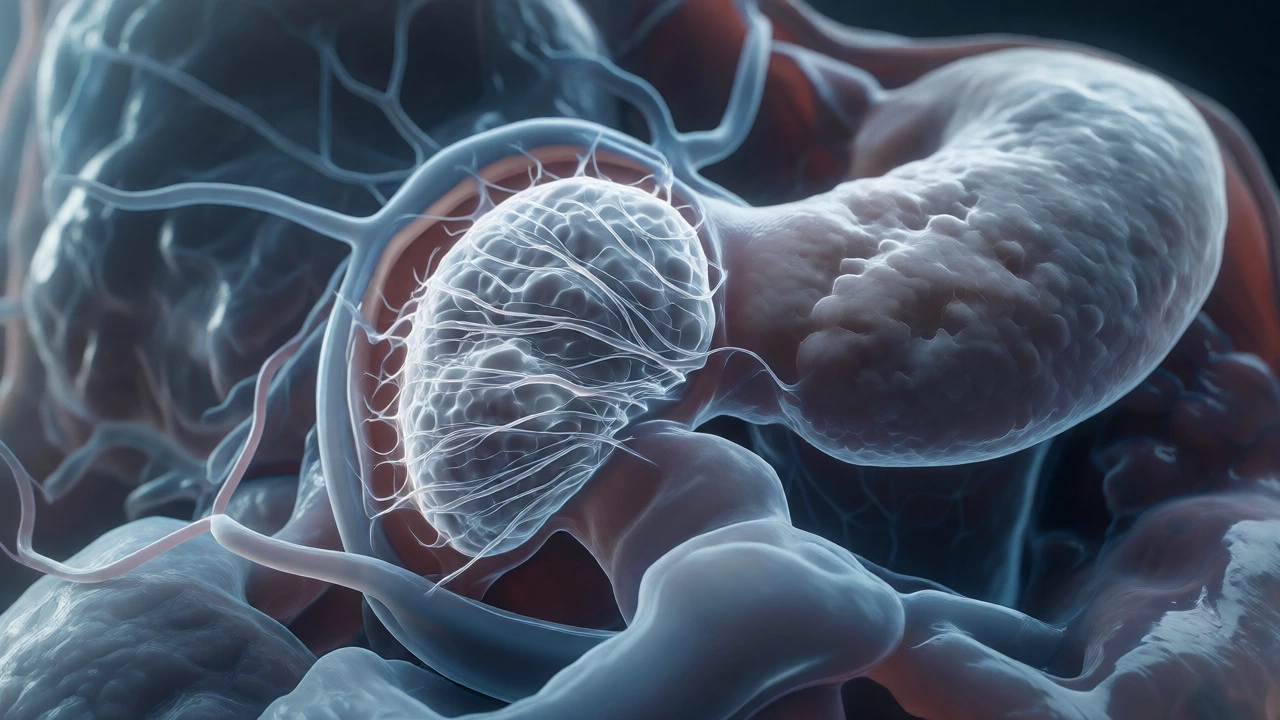
Pancreatic cancer is a malignant tumor originating in the tissues of the pancreas, an organ located behind the stomach that produces digestive enzymes and insulin. Its reputation as the hardest cancer to beat comes down to anatomy and symptoms. The pancreas sits deep in the abdomen, tucked away from easy physical exams. By the time symptoms like jaundice or back pain appear, the disease has often spread to the liver or lungs.
Furthermore, pancreatic tumors have a unique defense mechanism. They develop a dense layer of scar-like tissue called stroma around them. This stroma acts like a shield, blocking chemotherapy drugs from reaching the cancer cells effectively. Surgeons also face challenges because the pancreas is wrapped around major blood vessels. Removing the tumor often requires complex surgery that carries significant risks. With a five-year survival rate hovering around 12-13%, early detection remains the biggest hurdle.
Glioblastoma: The Brain’s Most Aggressive Foe
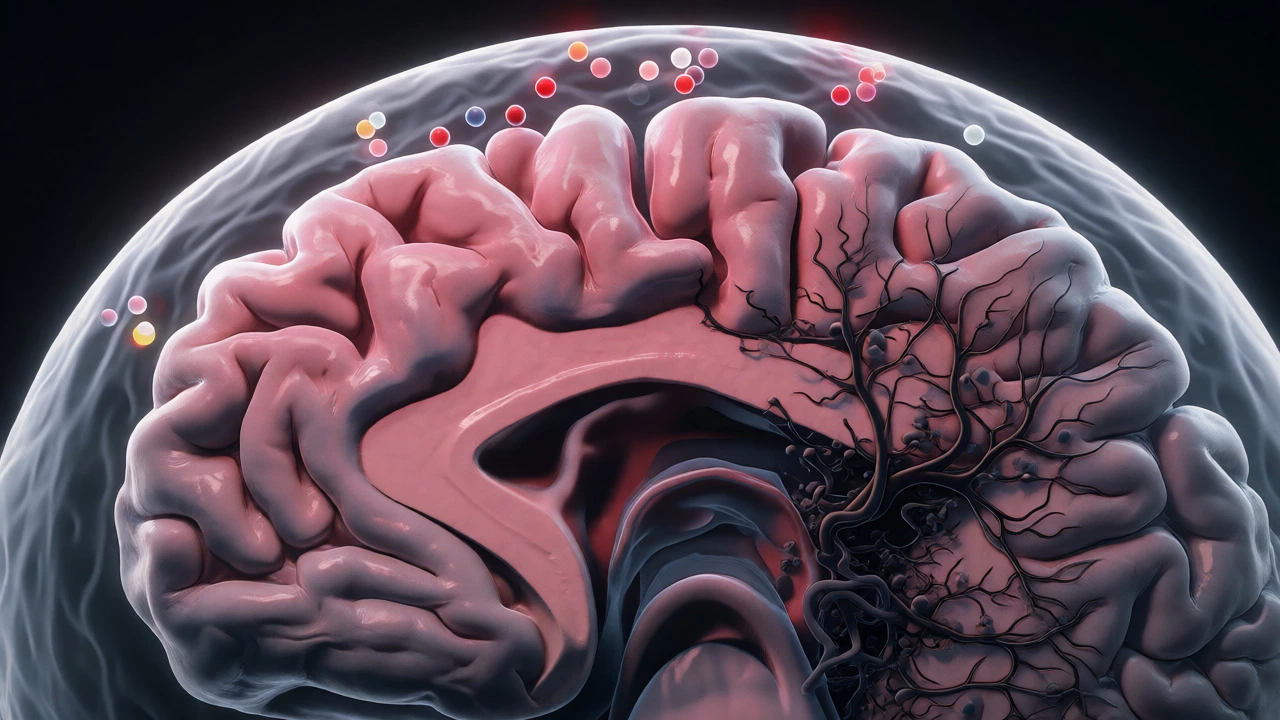
If you move from the abdomen to the head, you encounter Glioblastoma, the most aggressive type of brain cancer that starts in astrocytes, star-shaped cells that help support nerve cells. Unlike other cancers, glioblastoma rarely spreads outside the brain. Instead, it invades surrounding healthy brain tissue like tree roots spreading through soil. You cannot simply cut it out because there is no clear border between the tumor and normal brain function.
The median survival for glioblastoma is roughly 14 to 16 months with standard treatment. Why so short? The blood-brain barrier, a protective filter that keeps toxins out of the brain, also keeps many powerful chemotherapy drugs out. Researchers are working on ways to bypass this barrier, but for now, recurrence is almost inevitable. Even if the surgeon removes everything visible under a microscope, microscopic cells remain, leading to regrowth within months.
Lung Cancer: The Scale Problem
You might be surprised to see Lung cancer, cancer that begins in the lungs, primarily caused by smoking but also linked to radon exposure and air pollution, on this list. After all, survival rates have improved dramatically with immunotherapy. However, lung cancer remains the deadliest cancer globally due to sheer volume and late-stage diagnosis.
Small cell lung cancer (SCLC) is particularly vicious. It grows rapidly and spreads early. While non-small cell lung cancer (NSCLC) accounts for most cases and has better outcomes, SCLC has a five-year survival rate of less than 7%. The challenge here is not just biology, but behavior. Many smokers delay checking persistent coughs until the disease is advanced. Once metastasis occurs, treatment shifts from cure to control, extending life by months rather than years.
Mesothelioma: The Asbestos Legacy
Mesothelioma is a rare cancer affecting the mesothelium, the protective lining covering many internal organs, strongly associated with asbestos exposure. It mostly affects the lining of the lungs (pleura) but can attack the abdomen too. What makes mesothelioma so tough is its latency period. Symptoms may not show up for 20 to 50 years after asbestos exposure. By the time a patient notices chest pain or shortness of breath, the cancer is often stage three or four.
Treatment options are limited because the tumor coats the lung like a sheet, making surgical removal nearly impossible without removing the entire lung. Chemotherapy helps, but it rarely cures the disease. The five-year survival rate is typically below 10%. Because it is rare, fewer clinical trials exist compared to breast or prostate cancer, slowing the pace of new drug development.
| Cancer Type | Approx. 5-Year Survival Rate | Primary Challenge | Common Cause/Risk Factor |
|---|---|---|---|
| Pancreatic | ~12% | Late detection; drug-resistant stroma | Smoking, genetics, diabetes |
| Glioblastoma | ~6-8% | Blood-brain barrier; invasive growth | Radiation history, age |
| Small Cell Lung | ~6-7% | Rapid spread; early metastasis | Smoking |
| Mesothelioma | ~9% | Long latency; surgical difficulty | Asbestos exposure |
| Liver (Hepatocellular) | ~20% | Liver cirrhosis limits treatment options | Hepatitis B/C, alcohol, fatty liver |
Why Some Cancers Resist Treatment
It is not just about where the cancer is; it is about how it behaves. Some tumors mutate quickly. When a cancer mutates, it changes its surface proteins. Your immune system or your medication targets a specific protein. If the cancer changes that protein, the treatment misses. This is known as acquired resistance.
Another factor is hypoxia, or low oxygen levels within the tumor core. Tumors grow faster than their blood supply can keep up. The center becomes starved of oxygen. Hypoxic cells are notoriously resistant to radiation therapy, which relies on oxygen to damage DNA. So, even if you zap the tumor with high-energy rays, the core survives and regrows later.
Then there is the issue of location. Cancers in the brain, spine, or near major arteries are hard to reach surgically. If a surgeon cannot get clean margins-meaning no cancer cells at the edge of the removed tissue-the risk of recurrence skyrockets. This is why pancreatic and brain surgeries are considered among the most complex procedures in medicine.
The Hopeful Side: New Treatments Changing the Odds
While the statistics above seem bleak, medical science is moving fast. Immunotherapy, which trains your own immune system to recognize and kill cancer cells, has transformed outcomes for lung and melanoma patients. Drugs like pembrolizumab have extended lives significantly for those who previously had few options.
Targeted therapies are another game-changer. Instead of blasting all dividing cells (like chemo), these drugs attack specific genetic mutations. For example, EGFR inhibitors work wonders for certain lung cancers. Precision medicine means two people with the same label of "lung cancer" might receive completely different treatments based on their tumor's DNA profile.
Early detection technologies are also improving. Liquid biopsies, which detect cancer DNA fragments in blood samples, promise to catch cancers like pancreatic earlier than ever before. If caught at stage one, the five-year survival rate for pancreatic cancer jumps to over 40%. That is a massive difference.
What Patients Can Do Right Now
If you are worried about your risk, do not panic. Risk factors vary wildly. Smoking drives lung and bladder cancers. Obesity links to colon and kidney cancers. Viral infections like HPV cause cervical and throat cancers. Knowing your personal risk profile helps you screen smarter.
- Know your family history: Genetic mutations like BRCA1/2 increase risks for breast, ovarian, and pancreatic cancers. Ask relatives about their diagnoses.
- Screening saves lives: Colonoscopies prevent colorectal cancer by removing polyps. Low-dose CT scans save lives in heavy smokers by catching lung cancer early.
- Listen to your body: Persistent symptoms like unexplained weight loss, night sweats, or a lump that does not go away need evaluation. Do not wait for pain.
- Seek second opinions: For aggressive cancers, treatment plans can vary. Academic medical centers often offer access to clinical trials that community hospitals do not.
Living in Bangalore, I see many patients travel for specialized care. Medical tourism is growing here because top-tier oncologists and advanced radiation facilities are accessible. Whether you are dealing with a new diagnosis or supporting a loved one, remember that statistics are averages. Individual responses to treatment vary. Some people beat the odds beautifully.
Frequently Asked Questions
Is pancreatic cancer always fatal?
No, it is not always fatal, especially if caught early. While the overall five-year survival rate is low (around 12%), patients diagnosed at Stage I have a much higher chance of survival, sometimes exceeding 40%. Advances in surgery and chemotherapy are steadily improving outcomes.
Why is glioblastoma so hard to treat?
Glioblastoma is difficult because it infiltrates healthy brain tissue, making complete surgical removal impossible. Additionally, the blood-brain barrier prevents many chemotherapy drugs from reaching the tumor in sufficient concentrations. The tumor also recurs frequently despite aggressive treatment.
Does smoking cause all lung cancers?
No. While smoking causes about 80-90% of lung cancer deaths, non-smokers can get lung cancer too. Causes include radon gas exposure, secondhand smoke, air pollution, and genetic predisposition. Non-small cell lung cancer is more common in non-smokers than small cell lung cancer.
Are there any curable aggressive cancers?
Yes. Some aggressive cancers respond very well to chemotherapy. Testicular cancer and Hodgkin lymphoma are examples of aggressive cancers with high cure rates (over 90%) when treated promptly. Childhood leukemias also have high survival rates due to effective protocols.
How does early detection change survival rates?
Early detection drastically improves survival. For many cancers, the difference between Stage I and Stage IV survival is huge. For example, localized breast cancer has a 99% five-year survival rate, while distant metastatic breast cancer drops to 30%. Screening tools like mammograms and colonoscopies are vital for catching disease before it spreads.