Unhealthy Eating Habits: What They Are and How They Hurt Your Health
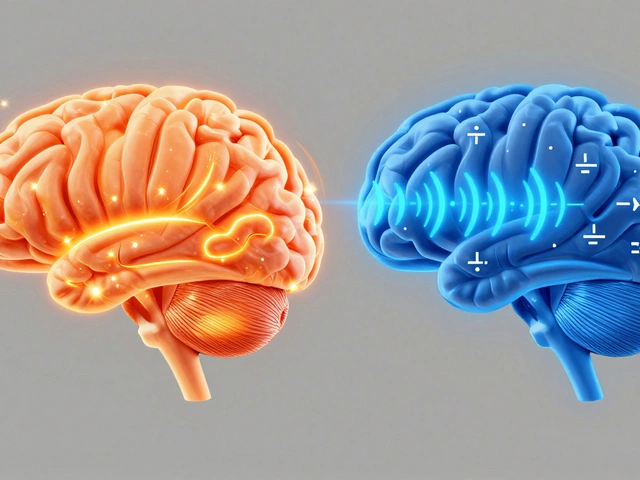
When we talk about unhealthy eating habits, patterns of food choices that harm long-term health, often driven by convenience, stress, or misinformation. Also known as poor diet, it's not just about eating too much—it’s about eating the wrong things, over and over, without realizing the cost. In India, where traditional meals are being replaced by instant noodles, packaged snacks, and sugary drinks, these habits are quietly fueling a rise in diabetes, heart disease, and early-onset obesity.
One of the biggest culprits is processed food, industrially manufactured items loaded with hidden sugar, salt, and fake fats to keep you coming back. These aren’t just empty calories—they rewire your brain’s reward system. Studies show that people who eat more than 30% of their daily calories from ultra-processed foods are 50% more likely to develop insulin resistance. And it’s not just burgers and fries. Even "healthy" packaged snacks like flavored yogurt, cereal bars, and masala oats often contain more sugar than a candy bar. Then there’s sugar addiction, a real physiological dependence on sweet foods that triggers dopamine spikes similar to nicotine or alcohol. In urban India, kids are drinking sugary lassis and packaged fruit juices before breakfast, and adults are chasing afternoon energy crashes with sodas and desserts. This isn’t a lack of willpower—it’s biology. And let’s not forget junk food, low-nutrient, high-calorie items designed for shelf life, not health. These foods don’t just make you gain weight—they starve your body of the vitamins, minerals, and fiber it needs to function. That’s why so many people feel tired, bloated, and mentally foggy—even if they’re not overweight.
These habits don’t happen in a vacuum. They’re tied to long work hours, lack of sleep, emotional stress, and the myth that "eating right" means expensive superfoods or strict diets. The truth? Fixing unhealthy eating habits doesn’t require a complete lifestyle overhaul. It starts with small, consistent changes: swapping one sugary drink for water, choosing roasted chana over chips, eating a warm cooked breakfast instead of cold cereal. The body responds fast when you stop feeding it poison.
Below, you’ll find real stories and facts from people who’ve turned things around—not by going vegan or fasting, but by recognizing which habits were actually hurting them. From Ayurvedic morning routines to the hidden dangers of weight-loss drugs used without diet changes, these posts cut through the noise. You won’t find fluff here. Just what works, in the Indian context, for real people trying to eat better without feeling deprived.
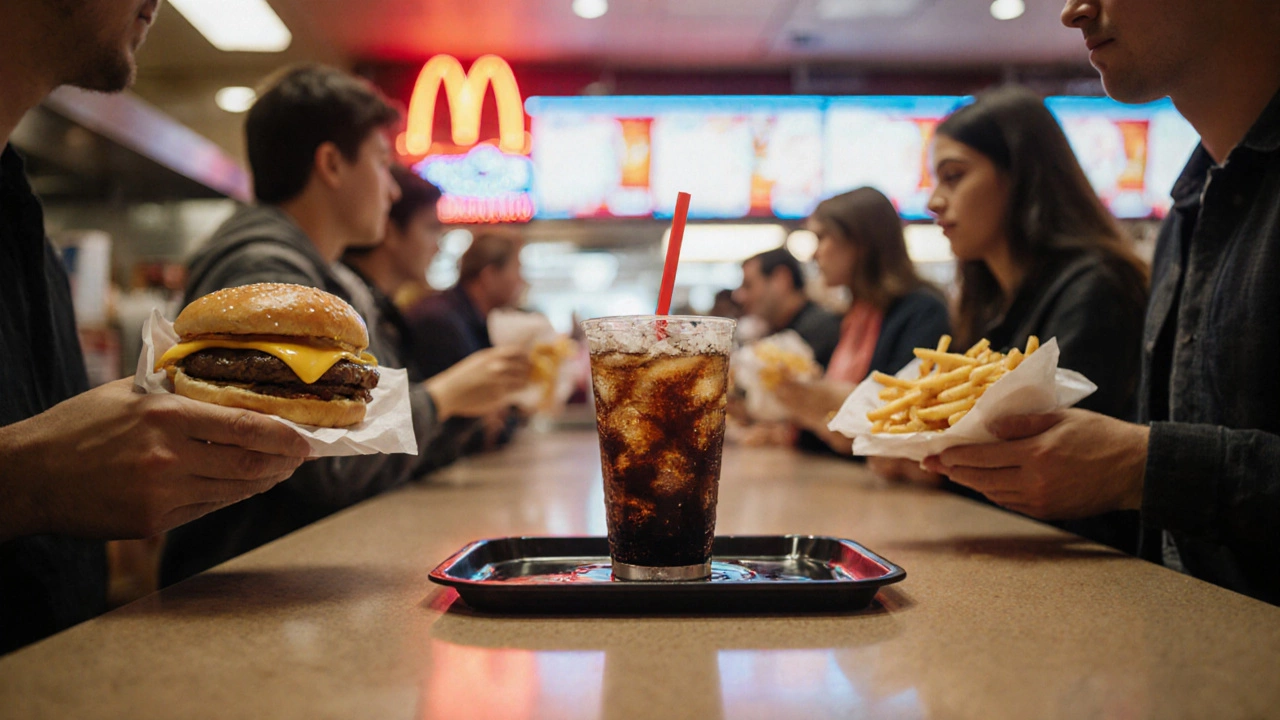
Which Country Has the Unhealthiest Diet? 2025 Rankings
Discover which nation tops the list of unhealthiest diets in 2025, why it ranks that way, and practical steps for governments and individuals to improve nutrition.

Recent Posts

What Happens in the Last 6 Months of Cancer?
April 9, 2025
Lose 20 Pounds Fast: Expert Tips from Weight Loss Clinics
March 12, 2025