Supplements: What Really Works for Indian Health
When it comes to supplements, oral products taken to add nutrients or support health that diet alone doesn’t provide. Also known as nutritional aids, they’re everywhere—but most don’t do what they promise. In India, where sunlight is strong but skin is often covered, and diets vary wildly from city to village, the real need isn’t more herbs or fancy powders. It’s filling basic gaps most people don’t even know they have.
The biggest gap? Vitamin D3, a hormone-like nutrient critical for bones, immunity, and mood, made by skin in sunlight. Also known as cholecalciferol, it’s the one supplement most urban Indians actually need daily. Studies show over 70% of people in cities like Delhi or Mumbai have low levels—even in summer. That’s not because they’re sick. It’s because they work indoors, drive everywhere, and avoid sun exposure out of fear of darkening skin. Low D3 means weaker immunity, more fatigue, and higher risk for diabetes and depression. It’s not a luxury. It’s a baseline fix.
Then there’s CoQ10, a compound your body makes to power cells, especially heart and muscle tissue. Also known as ubiquinone, it drops as you age—and plummets if you take statins for cholesterol. Many Indians on statins feel tired or achy. That’s not just aging. It’s your cells running out of fuel. CoQ10 doesn’t cure heart disease. But it helps your heart work better while you manage it. Same with magnesium glycinate, a gentle, absorbable form of magnesium that helps with sleep, muscle cramps, and stress. Also known as magnesium bisglycinate, it’s the version that doesn’t give you diarrhea like cheap magnesium oxide. Most Indians don’t get enough magnesium from food—refined rice, processed snacks, and soft water drain it out.
And then there’s ashwagandha, an adaptogenic herb used in Ayurveda to reduce stress and balance cortisol. Also known as Withania somnifera, it’s popular—but overhyped. It helps some people sleep better or feel calmer. But it’s not magic. And it won’t fix low vitamin D, poor sleep hygiene, or chronic stress from work pressure. It’s a tool, not a replacement for real lifestyle changes.
What you won’t find in most supplement ads? The truth that your body doesn’t need 10 different pills. It needs the right few, taken consistently. No one talks about how most herbal blends are underdosed, poorly tested, or mixed with fillers. The science-backed ones? They’re simple: D3, CoQ10, magnesium glycinate. Maybe a B-complex if you eat mostly white rice. That’s it.
Below, you’ll find real stories and data from people in India who tried the hype—and found what actually moved the needle. No fluff. No marketing. Just what works, when it works, and why most other supplements are just noise.
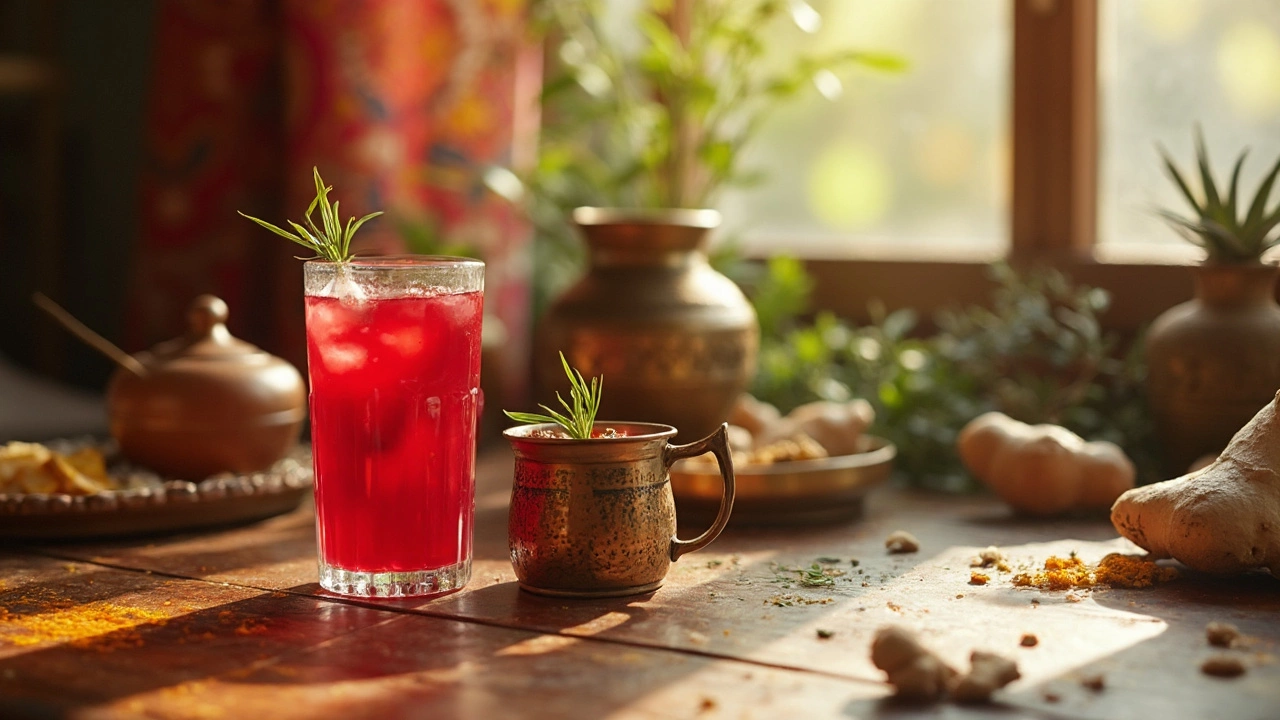
Best Drinks for Restoring Kidney Function: Herbal Supplements
Looking to boost kidney health through natural means? This article discusses herbal supplements and drinks that can help restore kidney function. Learn about the benefits of cranberry juice, the power of ginger tea, and other herbal options. We’ll also explore tips on incorporating these drinks into your daily routine for optimal kidney support.

Recent Posts


How Painful Are IVF Shots? Real Experiences and What to Expect
January 20, 2026
Cancer with the Lowest Survival Rate
April 7, 2025