Strange Behaviors After Cardiac Surgery: Why They Happen and What to Do
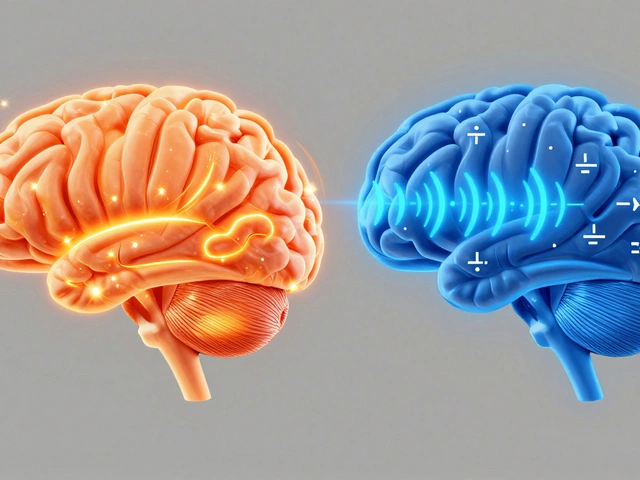
When someone goes through cardiac surgery, a major operation to repair or replace heart structures, often performed after heart attacks or severe valve disease. Also known as open-heart surgery, it’s life-saving—but it doesn’t end when the incision is closed. Many patients, and their families, are caught off guard by strange behaviors after cardiac surgery, unusual emotional or cognitive shifts like sudden anger, confusion, memory lapses, or even hallucinations that appear days or weeks after the procedure. These aren’t signs of weakness or madness. They’re biological responses to trauma, anesthesia, inflammation, and the body’s effort to heal under extreme stress.
One major cause is postoperative delirium, a temporary state of confusion and disorientation common after major surgery, especially in older adults. It’s not dementia. It’s more like a brain temporarily overwhelmed by pain meds, sleep disruption, and the shock of being disconnected from normal routines. Another factor is steroid medications, often given during or after heart surgery to reduce inflammation, but known to trigger mood swings, paranoia, or aggression. Then there’s cardiopulmonary bypass, the machine that takes over heart and lung function during surgery, which can cause tiny air bubbles or inflammatory molecules to reach the brain. Studies show up to 50% of patients over 65 experience some form of cognitive or emotional change after bypass surgery. And yes—anger is one of the most common reactions. It’s not about personality. It’s about chemistry.
What you see as "acting out" might be your loved one’s brain trying to process pain they can’t describe. Or maybe they’re reacting to sleep deprivation, unfamiliar hospital sounds, or the sudden loss of control over their own body. These behaviors often fade with time, rest, and reduced meds—but they need recognition, not punishment. If someone suddenly can’t remember their own name, sees things that aren’t there, or becomes violently agitated, that’s a red flag. Talk to the care team. Adjusting painkillers, adding melatonin for sleep, or switching antidepressants can make a big difference. Don’t wait for it to pass on its own. The body heals fast after heart surgery—but the brain? It needs patience, quiet, and sometimes a little help.
Below, you’ll find real stories and science-backed insights into what happens after the heart is fixed—and why the mind doesn’t always keep up. From unexplained rage to memory loss that feels like dementia, these posts break down what’s normal, what’s dangerous, and what you can actually do to help.

Unusual Post-Heart Surgery Behaviors Explained
Explore the unexpected symptoms after heart surgery, learn why they happen, how to spot red‑flag signs, and get practical tips for a smoother recovery.

Recent Posts

What Medications Can Online Doctors Prescribe? A Clear Guide
November 28, 2025

What Treatment Is Best for Skin? Real Solutions That Actually Work
November 2, 2025