Shower After Knee Replacement: What You Need to Know
When you’ve had a knee replacement, a surgical procedure to replace a damaged knee joint with an artificial one. Also known as total knee arthroplasty, it’s one of the most common orthopedic surgeries in India, helping thousands walk again with less pain. But right after surgery, one of the first questions patients ask is: When can I shower? It’s not just about cleanliness—it’s about protecting your new joint and avoiding infection.
The answer isn’t the same for everyone. Most surgeons in India allow showers within 24 to 48 hours after surgery, as long as the incision is covered with a waterproof dressing. But if your wound is still open or has drainage, you’ll need to wait until your doctor gives the green light. The key is keeping the surgical site dry. A simple plastic bag taped over the knee with waterproof tape works better than expensive waterproof covers. After showering, gently pat the area dry—never rub. Moisture trapped under the skin is a silent risk for infection. Your surgeon might also advise against soaking in a bathtub, swimming, or using a hot tub for at least 4 to 6 weeks. That’s because standing water can harbor bacteria that can get into the wound, even if it looks healed.
Showering after knee replacement isn’t just about hygiene—it’s part of your recovery routine. The warmth of water can help ease stiffness, but too much heat too soon can increase swelling. Most patients find that short, lukewarm showers are best in the first week. Avoid using loofahs or scrubbing near the incision. Use mild, unscented soap. If you’re on blood thinners, be extra careful not to slip. Install grab bars, use a non-slip mat, and sit on a shower chair if needed. Many people don’t realize that balance issues after surgery are common, especially if you’ve been inactive for weeks. A fall near the shower could mean another hospital visit.
Some patients worry about showering with a catheter or IV line still in place. In most cases, these are removed before you go home. But if you’re still in the hospital, nurses will help you clean safely. Once you’re home, your care team will show you how to check your incision daily for redness, swelling, or fluid. If you notice anything unusual—like a foul smell, pus, or sudden heat around the knee—call your doctor right away. These aren’t normal signs of healing. They’re red flags.
What you do in the shower matters just as much as what you do in physical therapy. Good hygiene supports faster healing, reduces stress on your new joint, and helps you feel more like yourself again. In the posts below, you’ll find real recovery stories from people in India who’ve been through this. They share what worked, what didn’t, and how they managed daily tasks like bathing, dressing, and moving around safely. You’re not alone in this. The right steps after surgery make all the difference.
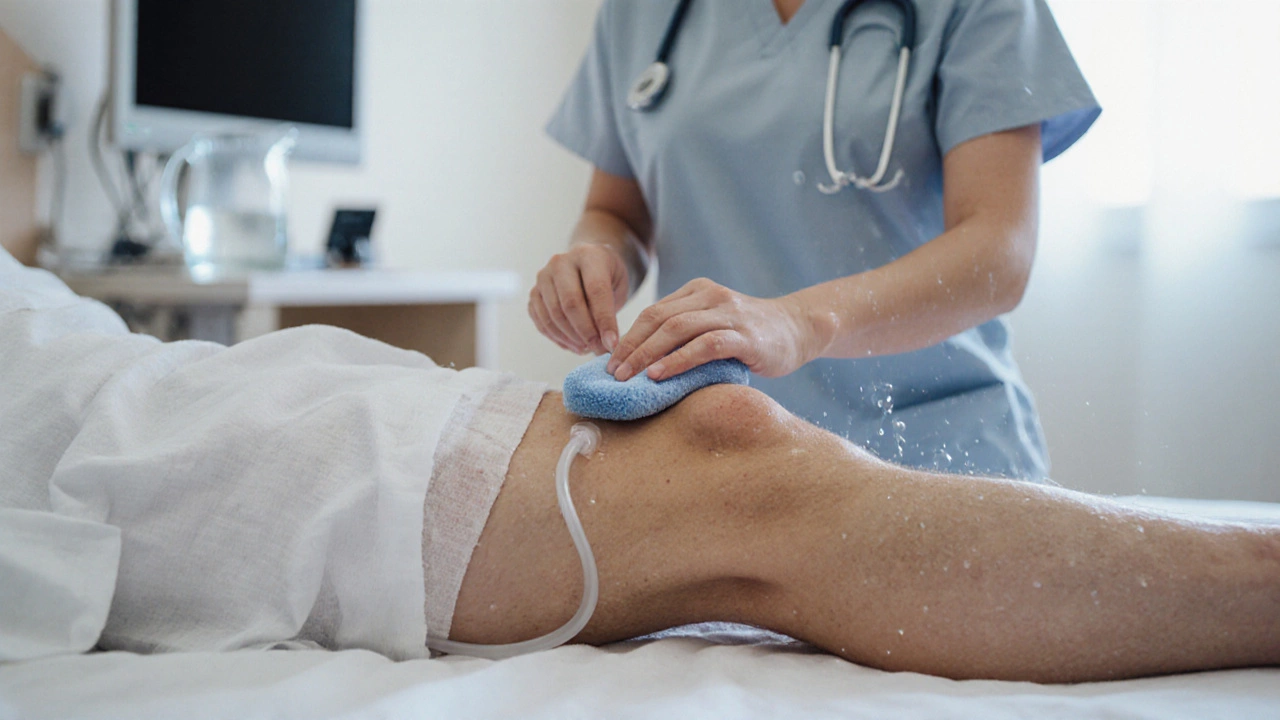
Shower Timing After Knee Replacement: When Is It Safe?
Learn the safest timeline and step‑by‑step tips for showering after knee replacement surgery, including dressings, shower chairs, and warning signs.

Recent Posts

What Is the New Drug Replacing Metformin for Type 2 Diabetes?
November 16, 2025

CVS vs Walgreens: Which Pharmacy Wins in 2025?
October 21, 2025
IVF Not Recommended: Unpacking the Real Reasons
May 28, 2025