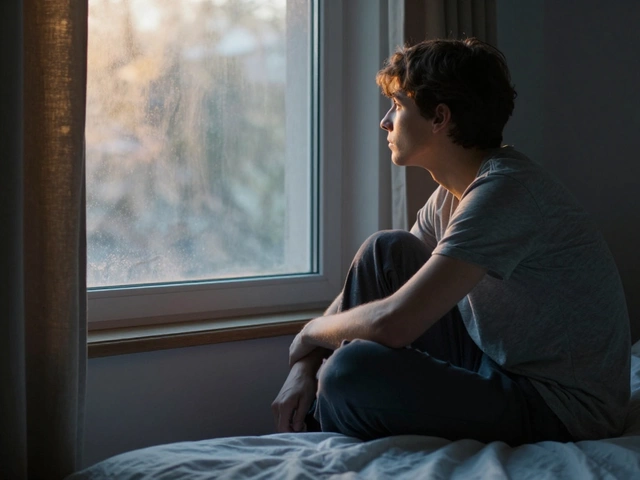
Post-Surgery Sleep: Why It Happens and What to Expect
When you’re recovering from surgery, post-surgery sleep, the increased need for rest after a medical procedure. It's not laziness—it's biology. Your body is repairing tissue, fighting inflammation, and resetting your nervous system. This isn’t something you can rush. In fact, the more you fight it, the slower you heal. Many patients in India report sleeping 10 to 14 hours a day in the first week after major operations like knee replacements or heart surgery. That’s not unusual. It’s your body’s natural response to trauma.
Recovery sleep, deep, restorative rest that supports physical healing after injury or surgery. It's different from regular sleep because it’s dominated by slow-wave stages that trigger growth hormone release and immune cell activity. This is why doctors don’t just tell you to rest—they insist on it. Skipping naps or forcing yourself to stay awake won’t speed things up. It’ll just make pain worse and delay healing. And if you’re waking up confused or feeling unusually irritable? That’s postoperative delirium, a temporary state of mental confusion common after anesthesia and major surgery. It’s not dementia. It’s not permanent. It’s just your brain adjusting. Many patients notice this after heart or joint surgeries, especially if they’re older or on pain meds like opioids.
What’s surprising is how much sleep and healing, the direct link between quality rest and tissue regeneration after surgical trauma. are tied together. Studies show patients who get uninterrupted sleep recover faster from infections, have less pain, and go home sooner. But in Indian homes, where space is tight and noise is constant, getting true rest is hard. That’s why many doctors now recommend quiet rooms, earplugs, and even short-term sleep aids if needed. Don’t feel guilty for needing extra sleep. Your body isn’t asking for luxury—it’s asking for survival.
Post-surgery sleep isn’t a sign of weakness. It’s a sign your body is doing its job. If you’re sleeping more than usual, that’s good. If you’re suddenly sleeping too little or waking up gasping, that’s not normal. Watch for swelling, fever, or confusion—those need a doctor. But if you’re just tired, curled up, and resting? That’s your healing system working exactly as it should.
Below, you’ll find real stories and practical advice from people who’ve been through it—what helped them sleep better, what made it worse, and how to tell the difference between normal recovery and something that needs attention.

How Long Does My Leg Need to Stay Straight After Knee Replacement Surgery?
Ever tried sleeping with your leg stuck out straight all night? After knee replacement surgery, that's just the start. This article unpacks why it matters, how long you need to keep your leg straight, and how to make those nights (and days) much more comfortable. Get practical tips, what doctors actually recommend, and the real side of recovery. Let’s unravel the facts and make your recovery a bit smoother.

Recent Posts

Oral Activity Post-Heart Surgery: What's Safe and What's Not?
January 30, 2025


Unveiling the 7-Step Korean Skincare Routine for Radiant Skin
January 23, 2025