Post Heart Surgery Symptoms: What to Expect and When to Worry
After heart surgery, a major procedure to repair or replace damaged heart tissue, often used for blocked arteries, valve issues, or heart failure. Also known as open heart surgery, it’s a life-saving step—but the body doesn’t bounce back overnight. What you feel in the days and weeks after isn’t always about the surgery itself. It’s your body relearning how to function with a repaired heart. Many patients expect pain to fade fast, but the real journey is quieter: fatigue, mood shifts, swelling, and strange sensations that make you wonder if something’s wrong.
It’s normal to feel tired for weeks. Your heart is healing, your muscles are weak from lying still, and your body is using energy just to recover. You might notice your chest feels tight or tender—even when you’re not moving. That’s from the incision, the sternum being split, and the healing process. Some people feel sharp, electric-like pains in their chest or arms. That’s often nerve irritation, not a new heart problem. But if the pain is crushing, spreads to your jaw or arm, or comes with sweating or dizziness, don’t wait. Call your doctor. That’s not normal recovery—that’s a red flag.
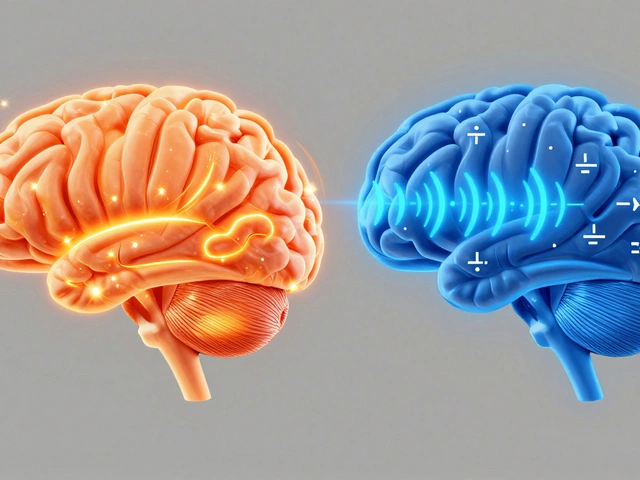
Then there’s the emotional side. open heart surgery anger, a documented emotional response after cardiac procedures, often tied to medications, brain oxygen changes, or the stress of near-death experience is more common than you think. You might snap at loved ones, cry for no reason, or feel deeply anxious. It’s not weakness. It’s biology. Medications like steroids or painkillers can mess with your mood. Sleep is broken. Your routine is gone. Your body feels foreign. All of this adds up. And it’s okay to say you’re not okay. Many patients don’t talk about it until they’re told it’s normal.
Swelling in the legs or ankles? Common. It’s fluid buildup from the surgery and your heart adjusting. But if it’s sudden, one-sided, or you’re short of breath while sitting still, that’s a different story. It could mean your heart isn’t pumping well yet—or worse, a blood clot. Same with fever. A low-grade temperature for a few days? Fine. Over 101°F? That’s infection territory. And don’t ignore changes in your breathing. Shortness of breath when walking to the bathroom? That’s recovery. Shortness of breath while resting? That’s a signal.
Recovery isn’t linear. Some days you’ll feel better. Other days, you’ll wonder if you made the right choice. That’s normal. The key is knowing what belongs to healing and what needs attention. The posts below cover real experiences from people who’ve been through this—what they felt, what scared them, what helped, and what they wish they’d known sooner. You’re not alone in this. And you don’t have to guess what’s normal. Let the stories guide you.

Unusual Post-Heart Surgery Behaviors Explained
Explore the unexpected symptoms after heart surgery, learn why they happen, how to spot red‑flag signs, and get practical tips for a smoother recovery.

Recent Posts


30/30/30 Method for Losing Fat: How It Really Works
June 10, 2025
Can an Orthopedic Doctor Fix a Pinched Nerve?
March 11, 2025
What Medications Can Online Doctors Prescribe? A Clear Guide
November 28, 2025