Orthopedic Surgery Recovery: What to Expect and How to Speed Up Healing
When you go through orthopedic surgery recovery, the process of healing after bone, joint, or muscle surgery. Also known as post-operative orthopedic rehabilitation, it’s not just about letting time pass—it’s about doing the right things at the right time. Whether it’s a knee replacement, hip repair, or shoulder surgery, your body doesn’t heal the same way everyone else does. And in India, where access to consistent physical therapy varies, knowing what actually works can make all the difference.
Recovery isn’t one-size-fits-all. For many, the knee replacement recovery, the specific healing journey after total knee arthroplasty is the hardest because it demands movement from day one—even when it hurts. Studies show most people hit their lowest point around day three or four after surgery, when swelling peaks and pain meds start wearing off. That’s not failure—it’s normal. What matters is what you do next. Simple things like elevating your leg, doing ankle pumps, and walking short distances daily do more than fancy gadgets or expensive supplements. And if you’re in a small town or rural area, you don’t need a fancy rehab center. You need consistency, not luxury.
Another key player in recovery is post-op care, the daily actions you take after leaving the hospital to prevent complications and build strength. This includes keeping incisions clean and dry, watching for signs of infection like redness or pus, and knowing when to call your doctor. Many patients in India skip follow-ups because they think they’re fine if they’re not in pain. But pain isn’t the only warning sign. Swelling that doesn’t go down, sudden warmth around the joint, or fever can mean trouble. And don’t ignore mental health—feeling frustrated, anxious, or even angry after surgery is common. It’s not weakness. It’s biology.
Then there’s rehabilitation after surgery, the structured plan to restore movement, strength, and function. This isn’t optional. Skipping physiotherapy leads to stiffness, muscle loss, and longer recovery. Even if you can’t afford a clinic, you can learn basic exercises from trusted videos or ask your nurse for a printed guide. The goal isn’t to run a marathon—it’s to climb stairs, sit on the floor, or stand in the kitchen without pain. In India, many people recover better than expected because they’re used to moving through discomfort. That resilience works in your favor—if you channel it right.
And let’s talk about pain management after surgery, how you control discomfort without relying too much on pills. Opioids are overprescribed and risky. Most people do better with a mix of ice, gentle movement, and simple OTC pain relievers like paracetamol. Heat before exercise, ice after. Don’t wait until the pain is unbearable to act. And if you’re taking blood thinners or have diabetes, your pain plan needs to be smarter. Many Indian doctors now recommend combining traditional methods—like warm oil massages—with modern rehab. It’s not about choosing one over the other. It’s about using what works for your body.
What you’ll find in these posts isn’t theory. It’s what people in India actually experience after orthopedic surgery—the real days, the real pain, the real wins. You’ll learn which day is hardest after knee replacement, how to shower safely without risking infection, why some people heal faster than others, and what supplements actually help (and which ones are just hype). No fluff. No marketing. Just what you need to move again, without unnecessary fear or false promises.

Orthopedic Surgeries with Longest Recovery Times
Orthopedic surgeries are often necessary for injuries or chronic conditions, but some have longer recovery times than others. This article dives into surgeries notorious for extensive healing periods, like spinal fusions and full joint replacements. We explore why these take longer to heal and offer practical tips for a smoother recovery. Understanding what to expect can help patients plan better and stay positive during the journey. Whether you're facing surgery or supporting someone who is, being informed is key.

Recent Posts

What is the Hardest Part of IVF?
April 2, 2025
Is Too Much Therapy Harmful? Risks of Over‑doing Counseling
September 30, 2025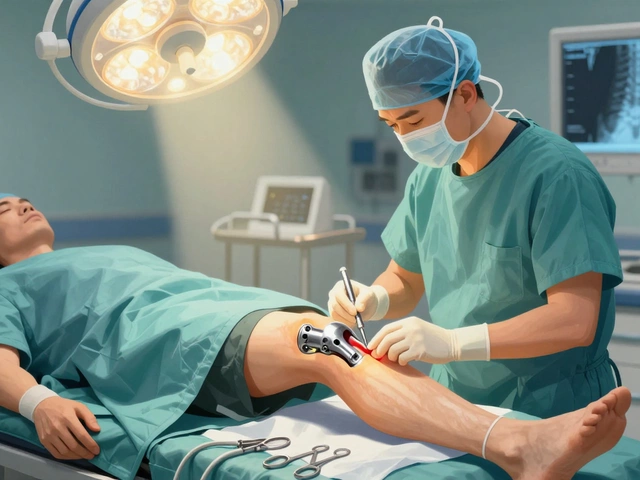
What Is Bone Surgery Called? Common Terms and Procedures Explained
December 1, 2025