Intimacy After Heart Surgery: What to Expect and How to Rebuild Connection
When you or your partner has had heart surgery, a major medical procedure to repair or replace damaged heart tissue or vessels. Also known as open-heart surgery, it changes more than just your pulse—it reshapes how you feel about closeness, touch, and connection. Many people assume sex and intimacy are off-limits after surgery, but that’s not true. The real question isn’t can you be intimate again—it’s how and when you can do it safely and comfortably.
Emotional recovery after heart surgery, the psychological adjustment following a life-threatening cardiac event often gets ignored, but it’s just as critical as physical healing. Anxiety, depression, fear of re-injury, and even changes in body image can shut down desire long before the sternum heals. Medications like beta-blockers or antidepressants can lower libido. And let’s be honest—after months of hospital stays, rehab, and constant monitoring, the last thing you might feel like is cuddling or kissing. But intimacy isn’t just sex. It’s holding hands while watching TV. It’s a quiet hug after a bad day. It’s talking without distractions. These small acts rebuild trust and safety, which is the real foundation of physical closeness.
Sexual health after cardiac surgery, the ability to engage in physical intimacy without risking heart strain is something your doctor should discuss with you—but most don’t. The good news? Most people can return to sex within 4 to 8 weeks, as long as they can climb two flights of stairs without chest pain or shortness of breath. That’s the real test. Your heart doesn’t need to be perfect—it just needs to handle the same effort as daily activities. Positions matter. Being on top isn’t always safe. Lying on your side with your partner behind you? Often easier. And if you’re on blood thinners, bruising is more likely—so go slow.
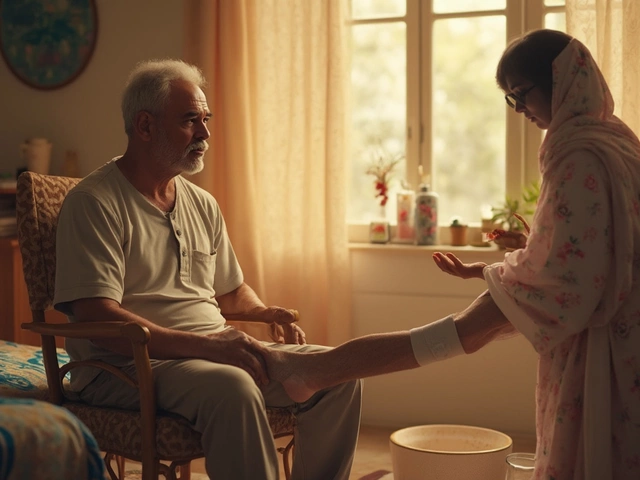
And then there’s the partner. Spouses often become caregivers, and that role can accidentally kill romance. One person is the patient. The other is the nurse. The dynamic shifts. Reversing that takes intention. Start with non-sexual touch: a foot rub, brushing hair, sitting close without talking. Then move to kissing. Then to cuddling. Then to sex. There’s no rush. And if you’re struggling with anxiety, depression, or low desire, you’re not broken—you’re human.
You’ll find real stories here—from people who felt guilty for wanting closeness after surgery, to those who discovered new ways to connect with their partners, to couples who thought intimacy was over until they tried again. You’ll also see how medications, rehab progress, and mental health play into this. No fluff. No vague advice. Just what works, what doesn’t, and how to talk to your doctor about it without embarrassment.

Oral Activity Post-Heart Surgery: What's Safe and What's Not?
After undergoing heart surgery, patients often have questions about resuming various aspects of their life, including intimacy. It's important to understand how oral activities can be resumed safely and what considerations are necessary to ensure heart health is not compromised. Exploring the timing, potential risks, and communication with healthcare providers can provide clarity for individuals navigating this sensitive topic.

Recent Posts

Avoiding Knee Replacement: Solutions for Bone-on-Bone Arthritis
January 8, 2025
Best Vitamins to Repair Nerve Damage: Science-Backed Options
December 12, 2025