Heart Surgery Risk Factors: What You Need to Know Before the Operation
When you hear heart surgery, a medical procedure to repair or replace damaged heart tissue or vessels. Also known as cardiac surgery, it’s one of the most common operations for people with blocked arteries, faulty valves, or weak heart muscles. But knowing you need it is only half the battle. The real question is: what makes it risky for you?
Not everyone faces the same level of danger. Your age, existing health problems, and how long your heart has been under stress all change the odds. For example, if you’re over 70 and have diabetes, your risk of infection or kidney issues after surgery goes up. If you’ve had a previous heart attack or stroke, your body is already under strain—making recovery harder. Even things like being overweight or smoking can make your heart less able to handle the shock of surgery. These aren’t just numbers on a chart. They’re real factors that doctors use to decide if you’re ready—or if you need to get stronger first.
Then there’s the type of surgery. A simple valve repair is less risky than a full bypass with multiple grafts. Emergency surgeries, like those done after a heart attack, carry far higher risks than planned ones. And let’s not forget your lungs and kidneys—they’re not part of the heart, but they’re the first to suffer when the heart struggles. That’s why doctors check your lung function and kidney levels before signing off. They’re not being overly cautious. They’re trying to make sure you survive the operation, not just live through it.
What’s missing from most conversations? The emotional toll. Anxiety doesn’t just make you feel bad—it raises your blood pressure, spikes your heart rate, and can slow healing. If you’re scared, you’re not alone. But ignoring it makes everything harder. Talking to someone who’s been through it, getting support from family, even just writing down your fears can lower your actual physical risk.
And here’s something most people don’t realize: your recovery starts before the first cut. Eating better, walking more, quitting smoking—even for a few weeks—can cut your risk by 30% or more. It’s not magic. It’s biology. Your heart doesn’t care about your intentions. It responds to what you do.
You’ll find posts here that break down exactly what goes wrong after heart surgery, who’s most likely to face complications, and what steps actually help. Some cover how to prepare your body. Others explain the signs of trouble after you leave the hospital. There’s even one that talks about the cheapest way to get follow-up care in India—because cost shouldn’t stop you from staying safe.
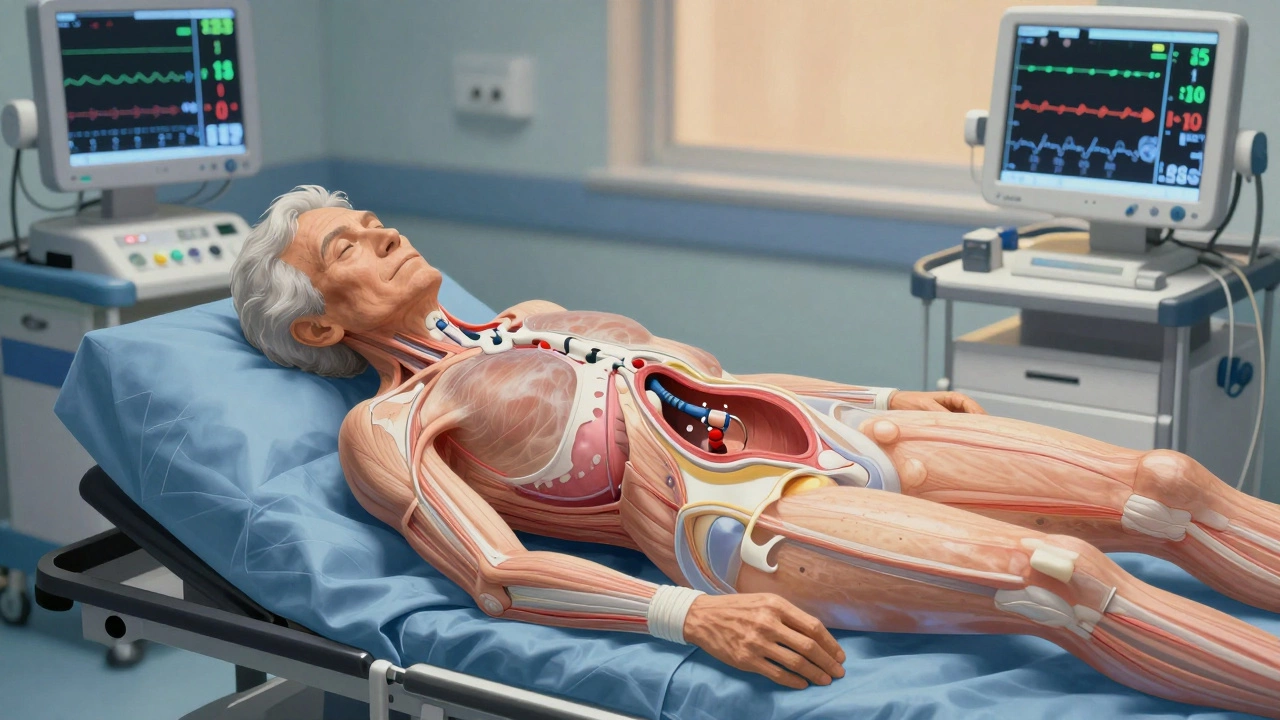
Who Is High Risk for Heart Surgery? Key Factors That Increase Complication Chances
Heart surgery isn't equally risky for everyone. Learn the key health factors that make someone high risk-including age, diabetes, lung disease, kidney problems, and obesity-and what you can do to improve your chances.

Recent Posts

Cheapest IVF in the US: Best States & Cost Breakdown (2026)
February 6, 2026
What Happens in the Last 6 Months of Cancer?
April 9, 2025
Most Painful Surgeries Ranked: Which Operations Hurt the Most?
October 8, 2025