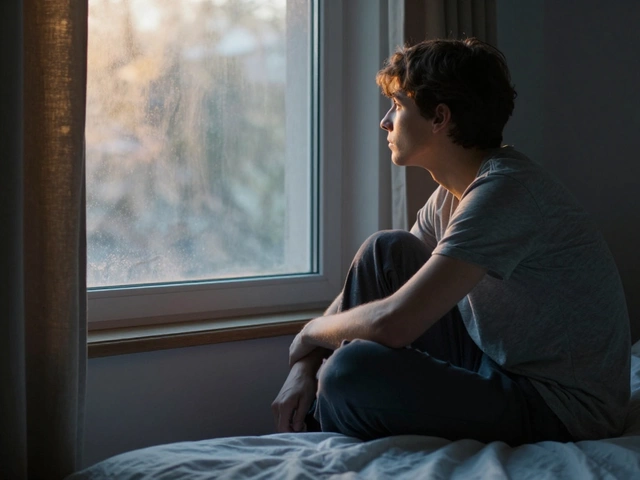
Hardest Days After Chemo: What to Expect and How to Cope
When you're going through chemotherapy, a medical treatment used to kill cancer cells, often causing severe side effects. Also known as chemo, it's not the diagnosis that breaks you—it's the slow, exhausting climb through the worst days after each cycle. Most people expect the nausea right after infusion. But the real battle starts 3 to 5 days later, when your body hits its lowest point. This isn't just tiredness. It's bone-deep exhaustion that doesn’t go away with sleep. Your muscles feel heavy. Your mind is foggy. Even lifting a spoon feels like a marathon.
This is when chemotherapy side effects, the physical and emotional reactions triggered by cancer drugs. These include chemo fatigue, nausea, mouth sores, and immune weakness peak. You might lose your appetite completely, or find food tastes like metal. Your skin gets dry, your hair falls out in clumps, and your legs ache like you ran ten miles. In India, where many patients travel long distances for treatment, this is when the lack of support hits hardest—no family nearby, no home-cooked meals, no quiet space to rest. The chemo recovery, the period of physical and emotional healing after each chemotherapy cycle. It’s not a straight line—it’s two steps forward, one step back isn’t about getting better fast. It’s about surviving each hour, each day, without giving up.
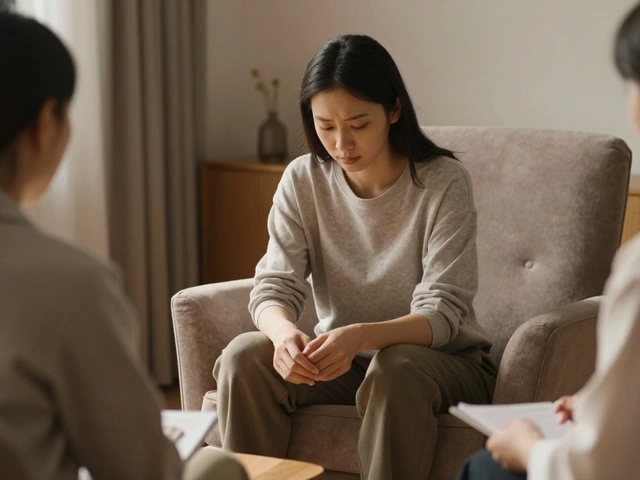
What no one tells you is that the hardest days aren’t always the same. For some, it’s day 4—when the steroids wear off and the pain flares. For others, it’s day 7—when the blood counts drop so low they can’t leave bed. You might feel fine one day and collapse the next. That’s normal. It’s not your fault. It’s not weakness. It’s your body working overtime to heal. And while doctors talk about labs and numbers, they rarely sit with you and say: "It’s okay to cry. It’s okay to hate this. It’s okay to just want to sleep for three days."
What helps? Small things. Sipping warm water with ginger. Wearing soft clothes. Letting someone else wash your hair. Eating a spoonful of yogurt even if you’re not hungry. Talking to someone who’s been there—not to fix you, but to say, "I get it." In India, many find strength in community—online groups, hospital support circles, or even a neighbor who brought khichdi when you couldn’t cook.
Below are real stories and practical advice from people who’ve walked this path. You’ll find what the hardest days after chemo really feel like, how to manage the worst symptoms, and what actually makes a difference when nothing else seems to. No fluff. No false hope. Just what works.
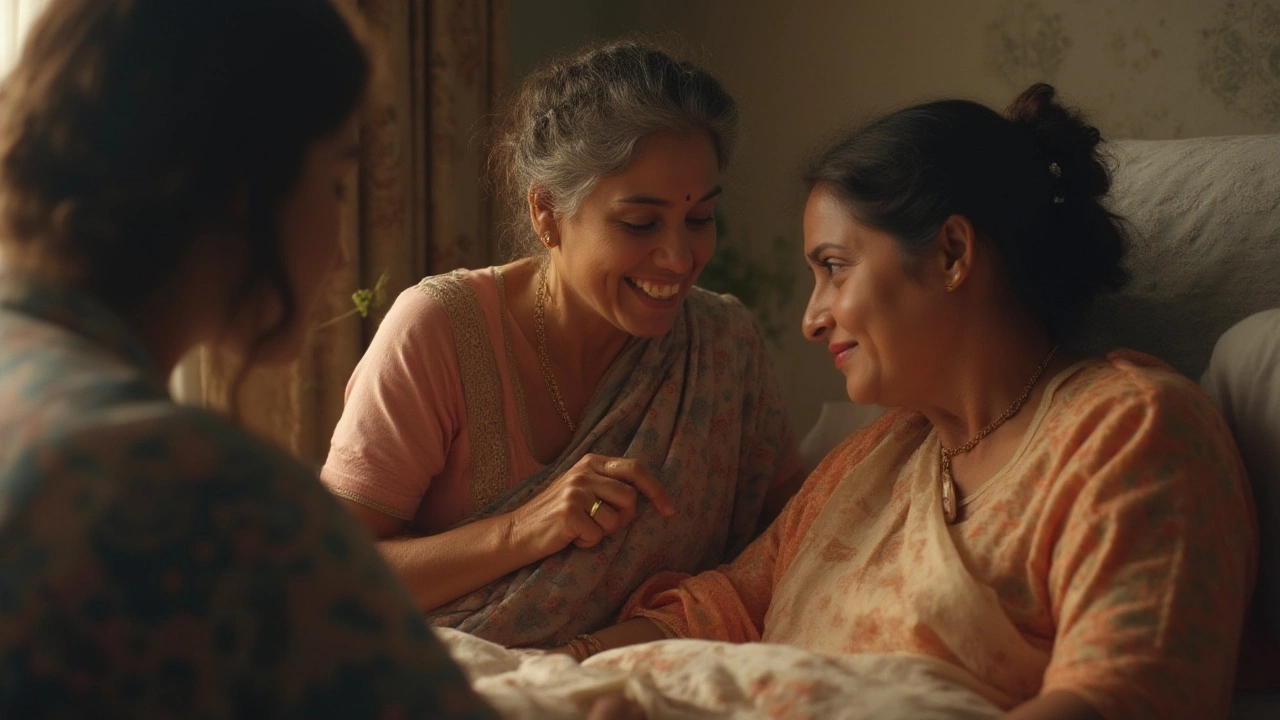
Hardest Days After Chemotherapy: Symptoms, Recovery & Helpful Tips
Navigating the toughest days after chemotherapy isn’t just about waiting for things to get better. Understand which days are hardest, what symptoms to expect, and practical tips that really help.

Recent Posts
Understanding the Challenges of Treating Pancreatic Cancer
January 2, 2025