Fracture Management: How Bones Heal and What Really Works in India
When a bone breaks, your body doesn’t just wait—it starts repairing itself immediately. This process, called fracture management, the medical approach to treating broken bones to ensure proper healing and restore function. Also known as bone fracture treatment, it’s not just about putting a cast on. It’s about timing, technique, and knowing when surgery is needed versus when rest alone will do. In India, where accidents, falls, and sports injuries are common, fracture management is one of the most frequent reasons people visit orthopedic clinics.
What happens after a fracture? First, the body forms a soft callus around the break, then hardens it into new bone over weeks. But this only works if the broken ends are aligned correctly. If they’re not, you risk long-term pain, stiffness, or even deformity. That’s why orthopedic care, specialized medical treatment for musculoskeletal injuries like fractures matters. In rural areas, many rely on local practitioners or traditional methods. In cities, you’ll find X-rays, closed reduction, and sometimes internal fixation with plates or screws. The right approach depends on where the break is, how bad it is, and your age or activity level.
Not all fractures need surgery. A simple wrist fracture in a young person? Often just a cast and time. But a fractured hip in an older adult? That’s usually an emergency—delayed surgery increases risks of blood clots, pneumonia, and even death. And let’s not forget recovery: bone healing, the biological process where new bone tissue regenerates after injury isn’t just about waiting. It needs movement, nutrition, and sometimes physical therapy. Calcium and vitamin D help, yes—but so does avoiding smoking and managing diabetes, which can slow healing dramatically.
What you’ll find in these posts isn’t textbook theory. It’s real stories from India: the grandmother who refused surgery and healed with a traditional splint, the young athlete who rushed back to training too soon and re-broke the same bone, the man who got his fracture fixed with a low-cost implant from a local hospital. These aren’t outliers—they’re common experiences shaped by access, cost, and cultural beliefs.
Fracture management isn’t one-size-fits-all. It’s not even one-treatment-fits-all. It’s about matching the injury to the person. And in India, where healthcare varies wildly from urban hospitals to village clinics, knowing what’s possible—and what’s necessary—can make all the difference between full recovery and lifelong trouble.
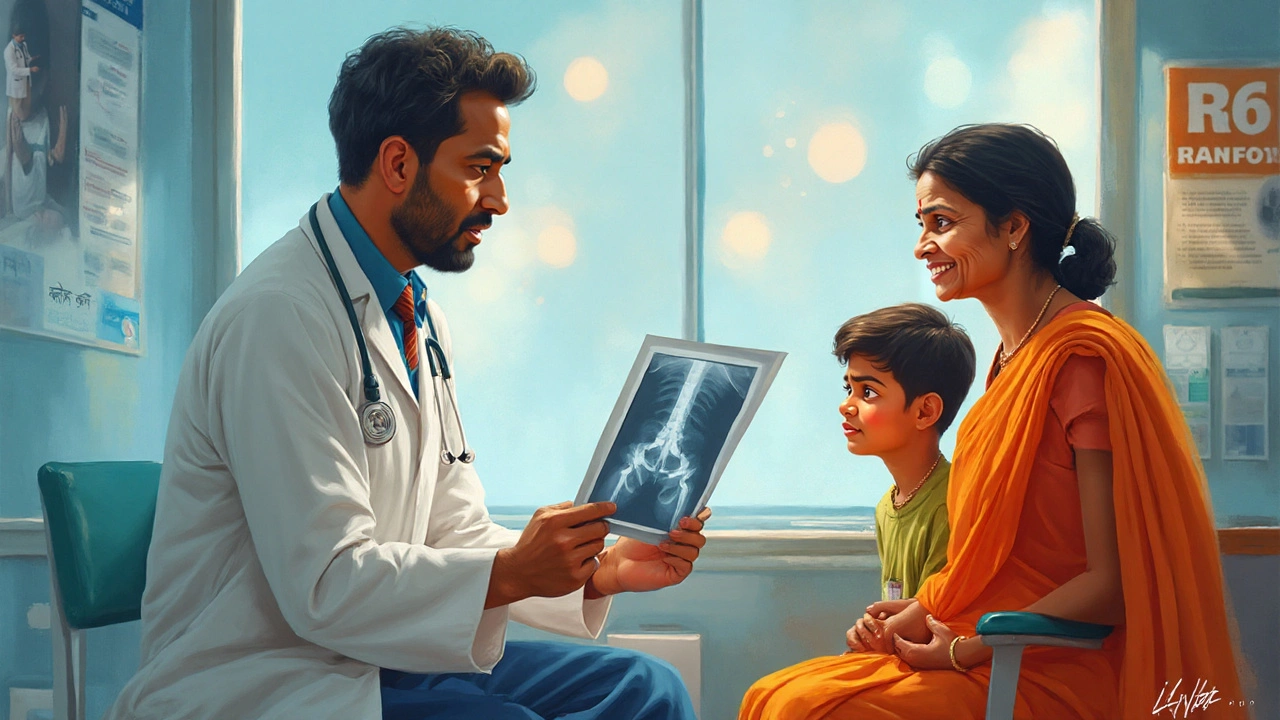
Understanding the 4 A's of Orthopedics: Essential Principles for Bone and Joint Care
Curious about the 4 A's of orthopedics? Get the facts and learn how they guide every step of bone and joint injury care, from diagnosis to recovery.

Recent Posts

30/30/30 Method for Losing Fat: How It Really Works
June 10, 2025
Top Diabetes Medications With Minimal Side Effects
December 25, 2024

Dental Insurance Coverage for Implants: What to Expect
March 5, 2025