End-Stage Cancer Symptoms: What to Expect and How to Manage
When cancer reaches its final stages, the focus shifts from curing to caring. End-stage cancer symptoms, the physical and emotional changes that occur as the body can no longer fight the disease. Also known as terminal cancer signs, these aren’t sudden surprises—they’re gradual signals that the illness has moved beyond treatment options. This isn’t about giving up. It’s about making sure the remaining time is as peaceful and meaningful as possible.
People in this phase often feel extreme fatigue, even after resting. Eating becomes hard—not because they’re not hungry, but because their body doesn’t process food the same way. Nausea, dry mouth, and loss of appetite are common. Pain can come and go, and it’s not always in the same spot. Some feel heaviness in their limbs, others have trouble breathing, even when lying still. Changes in skin color—pale, cool, or blotchy—are normal as circulation slows. Confusion or drowsiness might show up too, not from dementia, but from the body’s chemistry shifting. These aren’t signs of failure. They’re signs the body is doing what it can, and the goal now is to ease discomfort, not reverse it.
Palliative care, a specialized approach focused on relieving symptoms and improving quality of life for serious illnesses. Also known as comfort care, it’s not just for the last days—it can start at diagnosis and grow with the patient’s needs. It includes pain medicine that actually works, anti-nausea drugs, oxygen for breathlessness, and even music or touch to calm the mind. Hospice care, a type of palliative care for people expected to live six months or less. Also known as end-of-life care, it brings nurses, social workers, and chaplains into the home or a quiet facility to support both patient and family. This isn’t about giving up hope. It’s about changing what hope looks like—from cure to comfort, from fighting to being held.
Many families worry they’ll miss the signs. But you don’t need to be a doctor to know when something’s off. If your loved one stops talking, stops eating, or just seems to be slipping away, it’s not time to panic—it’s time to call for help. Ask for pain management. Ask for someone to sit with them. Ask for quiet. The most powerful thing you can do isn’t a treatment. It’s presence.
The posts below don’t sugarcoat this. They share real stories from people in India who’ve walked this path—what worked, what didn’t, and how families found peace in the middle of pain. You’ll find honest talks about managing symptoms at home, how to talk to doctors when treatments stop, and what really matters when the clock is running out. No fluff. No false promises. Just what you need to know when nothing else matters but being there.
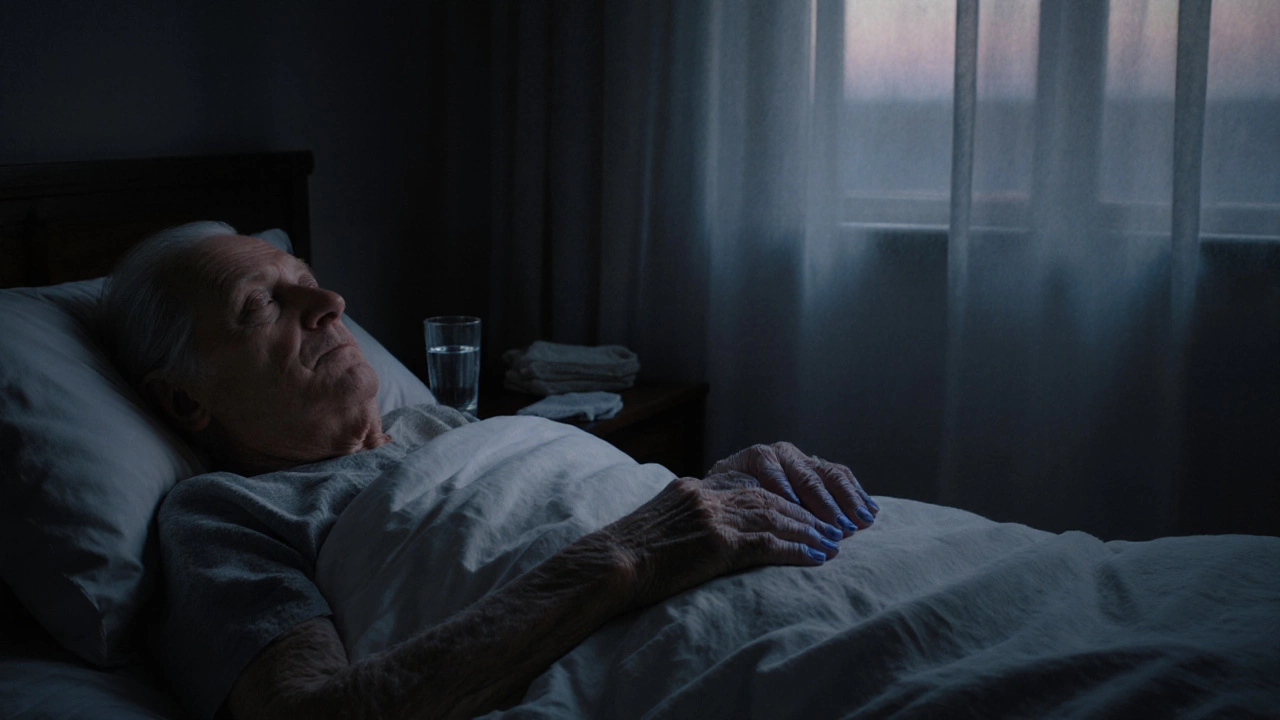
What Are the First Signs Your Body Is Shutting Down from Cancer?
Learn the quiet, natural signs your body is shutting down from advanced cancer-loss of appetite, increased sleep, cold limbs, changed breathing, and more. These are not emergencies. They're part of the body's final journey.

Recent Posts
Best Vitamins to Repair Nerve Damage: Science-Backed Options
December 12, 2025
Kelly Clarkson's Weight Loss Secrets Revealed
February 11, 2025