CoQ10 Benefits: What It Does, Who Needs It, and Real Results
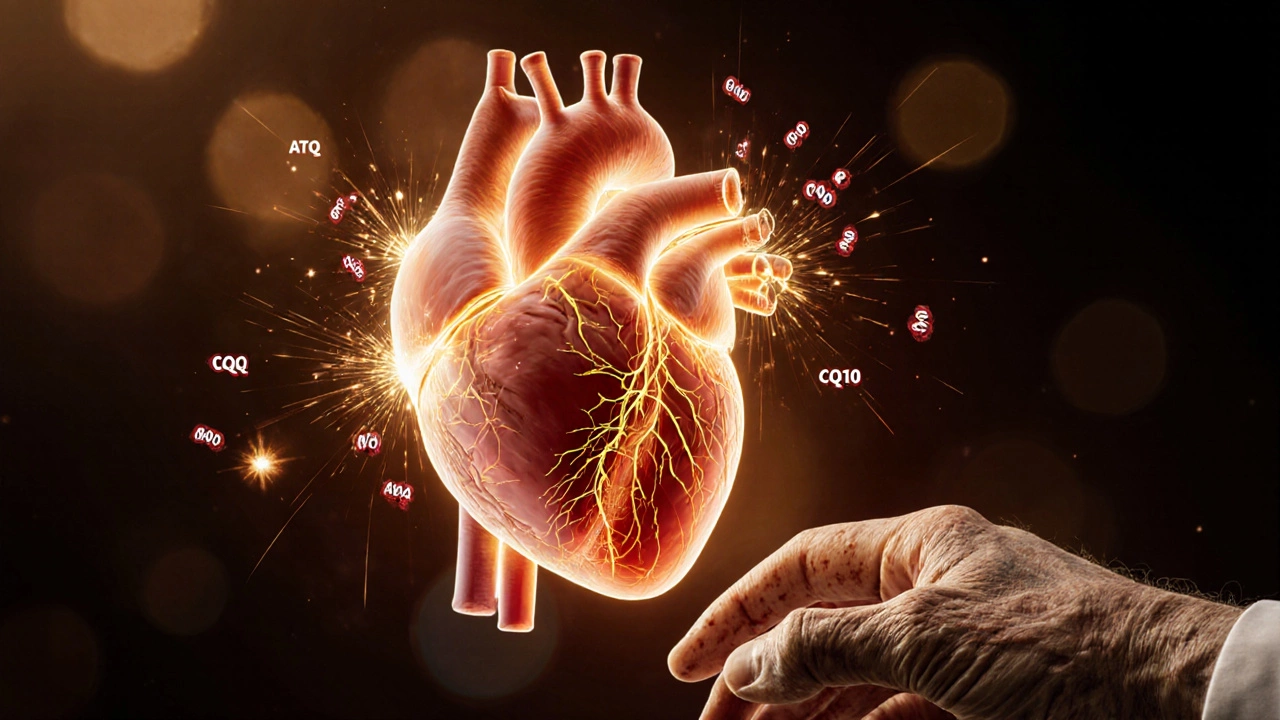
When your body runs low on CoQ10, a natural compound your cells use to make energy. Also known as ubiquinone, it’s not a vitamin, but it works like one—helping your mitochondria turn food into fuel. Without enough CoQ10, your cells struggle, especially in high-demand organs like your heart and muscles. This isn’t just theory. Studies show people with heart failure often have lower CoQ10 levels, and supplementing can help them feel less tired and breathe easier.
CoQ10 isn’t just for heart health. It’s also a powerful antioxidant that fights damage from free radicals, which is why it shows up in studies about aging, statin side effects, and even exercise recovery. If you’re on a statin drug like atorvastatin or rosuvastatin, your body’s natural CoQ10 production drops—many doctors in India now recommend a 100–200 mg daily dose to reduce muscle pain and weakness. It’s not magic, but it’s one of the few supplements with real, repeatable results in clinical trials.
Who actually benefits? People over 40, those with heart conditions, diabetics, and anyone on long-term statins. Athletes use it to cut recovery time. Women taking birth control pills often have lower levels too. But if you’re young, healthy, and eat a balanced diet with meat, fish, and nuts, you probably don’t need extra. The body makes it fine on its own. The key is knowing if you’re in the group that’s running low—and that’s where testing and symptoms matter more than trends.
CoQ10 doesn’t give you instant energy like caffeine. It works slowly, over weeks, by helping your cells work more efficiently. That’s why some people don’t feel anything at first. But if you’ve been dragging for months, and nothing else helped, it might be worth trying. Look for the ubiquinol form—it’s better absorbed, especially after age 40. And skip the cheap brands. Many don’t contain what they claim. Stick to ones that list the exact milligram amount and have third-party testing.
It’s not a cure-all. It won’t reverse diabetes or shrink tumors. But when your body’s energy system is sputtering, CoQ10 can be the quiet spark that gets things running smoother again. Below, you’ll find real stories and science-backed insights from people who’ve tried it—some saw big changes, others noticed nothing. The difference? Their health history, dosage, and whether they were truly deficient to begin with.
What is CoQ10 good for? Benefits for heart, energy, and aging
CoQ10 supports heart health, boosts energy, and may slow aging. Learn how it helps with statin side effects, fertility, and fatigue - backed by science.

Recent Posts

Dental Insurance Coverage for Implants: What to Expect
March 5, 2025