Cardiac Surgery Candidates: Who Needs It and What to Expect
When your heart isn’t working right, surgery might be the answer—but cardiac surgery candidates, people with severe heart conditions who don’t respond to meds or lifestyle changes and need surgical intervention aren’t just anyone with chest pain. It’s a careful decision made after tests, history, and real risk analysis. This isn’t about fear—it’s about timing. If your arteries are clogged beyond what stents can fix, or your heart muscle is too weak to pump blood, then surgery isn’t optional. It’s life-saving.
Most coronary artery disease, a condition where plaque builds up in the heart’s arteries, reducing blood flow patients start with pills and diet. But if you’ve had multiple heart attacks, or your angiogram shows blockages in three or more major vessels, you’re likely a cardiac surgery candidate. Same goes for heart failure, when the heart can’t pump enough blood to meet your body’s needs—especially if you’re tired all the time, swollen in the legs, and can’t walk across the room without gasping. Valve problems like severe aortic stenosis? If you’re dizzy or fainting, surgery is often the only way forward. These aren’t vague guesses. They’re backed by decades of clinical data from hospitals across India and beyond.
It’s not just about the heart’s condition—it’s about your whole body. Age? Yes, it matters. But a 70-year-old who walks daily and controls diabetes may be a better candidate than a 50-year-old who smokes and skips meds. Your kidneys, lungs, and even your mental health play a role. Doctors don’t just look at your echo or stress test—they look at your life. Can you recover? Will you stick to rehab? Are you supported at home? These questions matter as much as the numbers on a screen.
Many think bypass or valve replacement means months in bed. It doesn’t. Most people are up walking the day after surgery. Recovery takes weeks, not months. But it only works if you follow through—no smoking, no salty food, no skipping meds. The surgery fixes the blockage or leak, but your choices after keep you alive.
Below, you’ll find real stories and facts from people who’ve been through this. Some chose surgery when they thought they had no options. Others waited too long—and paid the price. These posts don’t sell hope. They show what’s actually possible when you act at the right time.
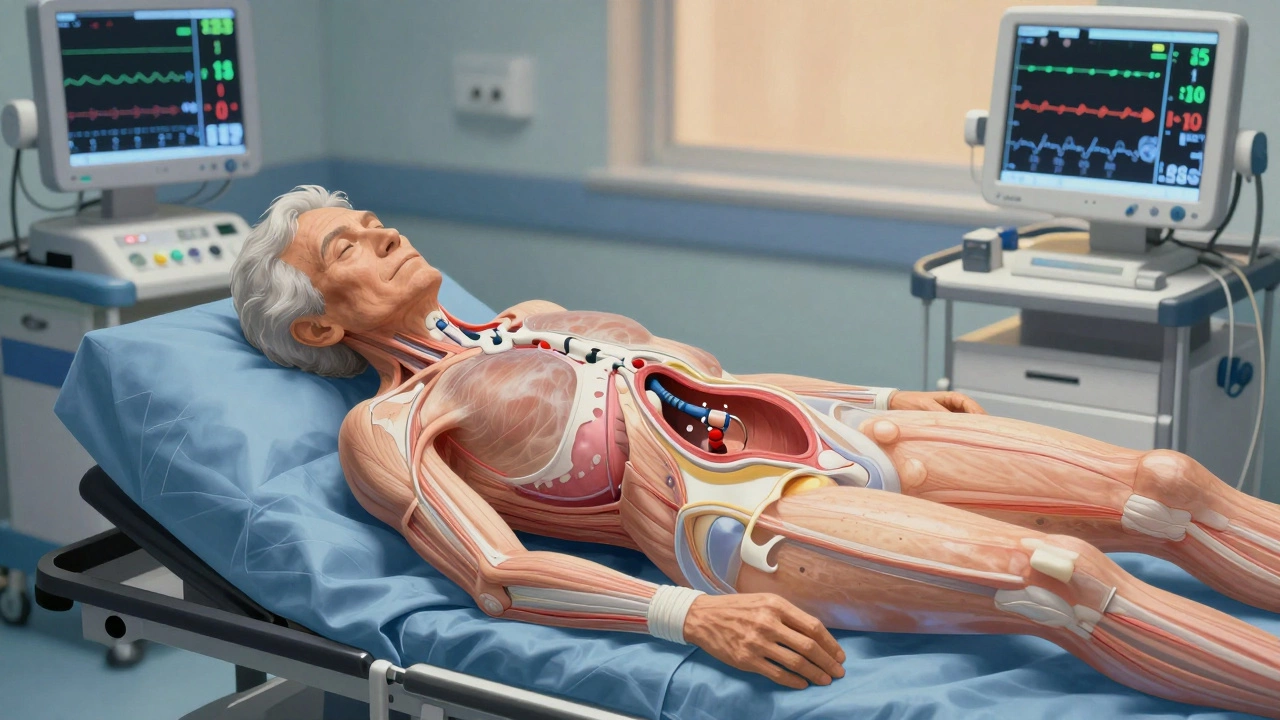
Who Is High Risk for Heart Surgery? Key Factors That Increase Complication Chances
Heart surgery isn't equally risky for everyone. Learn the key health factors that make someone high risk-including age, diabetes, lung disease, kidney problems, and obesity-and what you can do to improve your chances.

Recent Posts


IVF Not Recommended: Unpacking the Real Reasons
May 28, 2025

Does IVF Really Have a 100% Success Rate? Facts & Figures Explained
October 10, 2025