Cardiac Rehab: What It Is, Who Needs It, and How It Works
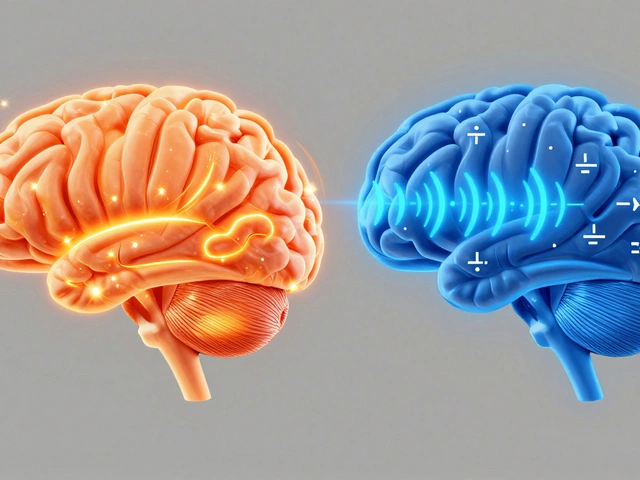
When your heart takes a hit—whether from a heart attack, bypass surgery, or stent placement—cardiac rehab, a structured program designed to help people recover from heart conditions through exercise, education, and emotional support. Also known as cardiac rehabilitation, it's not a luxury. It’s one of the most effective ways to lower your risk of another heart problem and feel stronger faster. Many think it’s just walking on a treadmill, but it’s way more than that. It’s about rebuilding your confidence, learning what your body can handle, and figuring out how to live well with heart disease.
Cardiac rehab works because it connects three things: physical activity, supervised, personalized exercise that slowly builds endurance and strength after heart surgery or illness, nutritional guidance, practical advice on eating for heart health, not just generic "eat less fat" rules, and emotional support, counseling and group sessions to deal with anxiety, depression, or fear after a cardiac event. These aren’t separate parts—they work together. You can’t fix your heart’s strength without fixing your mindset. And you won’t stick to a healthy diet if you’re overwhelmed by stress. That’s why cardiac rehab is so powerful: it treats the whole person, not just the heart.
It’s not just for older people or those who’ve had major surgery. Even if you had a stent placed last week or were told you have early-stage heart disease, cardiac rehab can help. Studies show people who complete the program are 25% less likely to be readmitted to the hospital and live longer than those who don’t. In India, where heart disease is rising fast and many skip follow-up care, this program is a lifeline. But it’s underused—too many think they’re fine once they leave the hospital. They’re not. Recovery takes time, structure, and support.
What you’ll find in the posts below are real stories and clear answers about cardiac rehab in the Indian context: how to start it, what to expect after open-heart surgery, why anger or fatigue shows up afterward, and how supplements like CoQ10 might help your recovery. You’ll also see how recovery after knee replacement and managing diabetes tie into heart health—not because they’re unrelated, but because your body doesn’t work in silos. Healing one part means paying attention to the whole system. These aren’t theoretical guides. They’re the kind of practical, no-fluff insights people wish they’d found sooner.

Unusual Post-Heart Surgery Behaviors Explained
Explore the unexpected symptoms after heart surgery, learn why they happen, how to spot red‑flag signs, and get practical tips for a smoother recovery.

Recent Posts



Effective Therapies for Enhancing Mental Well-being
January 15, 2025