Cancer End of Life: What Really Matters When Time Is Short
When cancer end of life, the final phase of advanced cancer where treatment shifts from curing to caring. Also known as terminal cancer, it’s not about giving up—it’s about choosing what matters most when time is limited. Most people assume this stage is just about pain and fear, but it’s often quieter, deeper, and more human than anyone expects.
Palliative care, a focused approach to managing symptoms and improving quality of life without trying to cure the disease. Also known as comfort care, it’s not just for hospitals—it’s something families can bring home with the right support. This isn’t about giving up on medicine. It’s about using medicine differently: to ease nausea, stop pain, reduce breathlessness, and help someone sleep without drugs that make them foggy. In India, many families wait too long to ask for this help, thinking it means surrender. But palliative care is the opposite—it’s taking control when you can’t control the disease.
Hospice care, a structured system of support for people in the final weeks or months of life, often provided at home or in dedicated centers. Also known as end-of-life care, it includes nurses who visit daily, volunteers who sit with patients, and counselors who help families talk about what they’re feeling. In urban India, hospice is still rare. But in smaller towns and villages, families often do this naturally—keeping the person comfortable, feeding them favorite foods, playing old songs, letting them hold hands until the end. That’s not neglect. That’s love made practical.
What happens in the last days? People sleep more. They eat less. Their breathing changes. These aren’t signs of failing—they’re signs the body is slowing down. No one needs to force food. No one needs to rush to the hospital. What they need is quiet, cool water on their lips, someone holding their hand, and permission to let go without guilt.
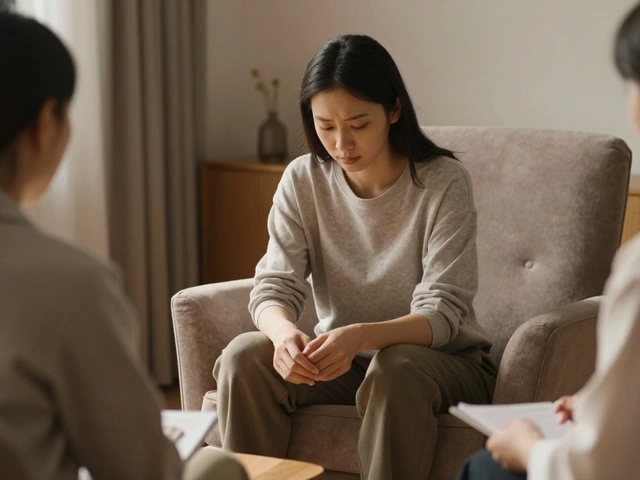
Many families struggle with guilt—thinking they didn’t do enough. But the truth is, you didn’t fail if you were there. You didn’t fail if you listened when they said they were tired. You didn’t fail if you let them cry, or laugh, or just sit in silence. The hardest part isn’t the pain. It’s the fear that you won’t know what to do. You don’t need to know everything. You just need to be present.
And what about talking about death? In India, we avoid it. We say "he’s not well" instead of "he’s dying." But that silence doesn’t protect anyone. It just leaves people alone with their fears. A simple "I’m here with you" means more than a hundred medical terms. A question like "What would make today better?" opens the door to real comfort.
There’s no one right way to do this. Some want to be surrounded by family. Others want to be alone. Some want to talk about the past. Others don’t want to talk at all. There’s no checklist. No rulebook. Just presence. Just kindness. Just letting someone know they’re not a burden.
Below, you’ll find real stories and practical advice from people who’ve walked this path—in India, in homes, in hospitals, in quiet rooms where the only thing that mattered was being together. No fluff. No false hope. Just what works when the clock is running out.
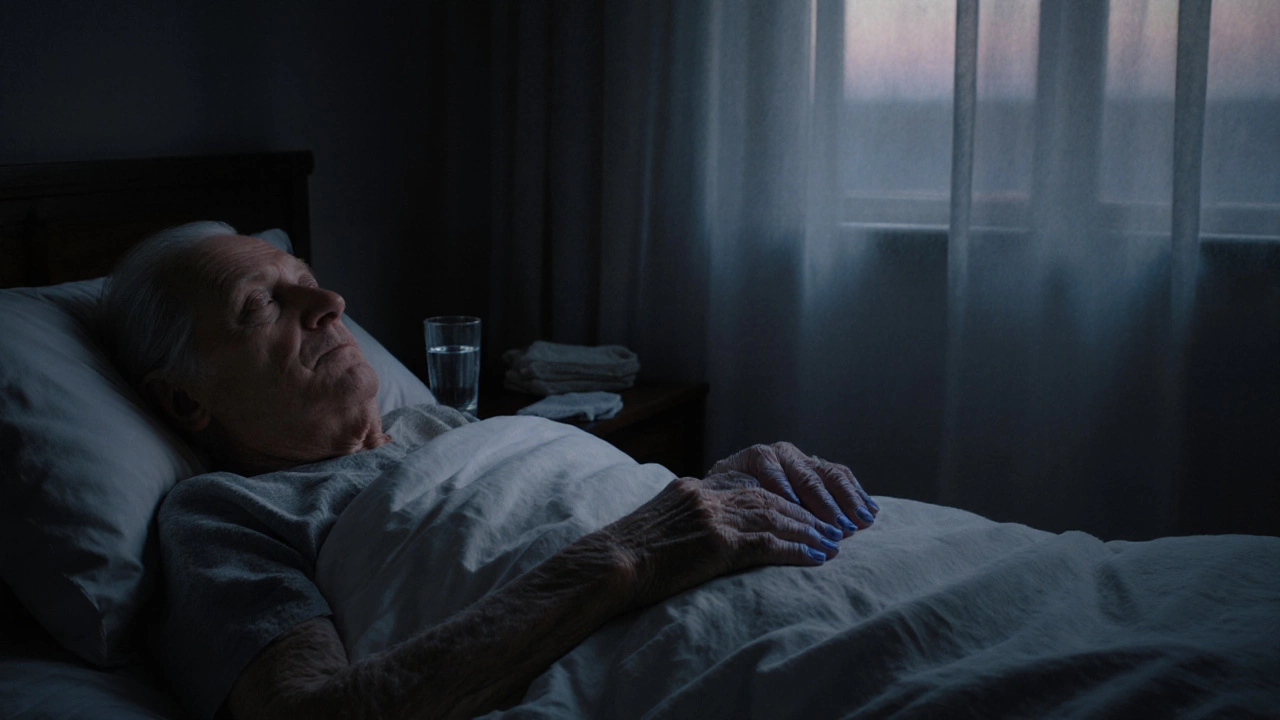
What Are the First Signs Your Body Is Shutting Down from Cancer?
Learn the quiet, natural signs your body is shutting down from advanced cancer-loss of appetite, increased sleep, cold limbs, changed breathing, and more. These are not emergencies. They're part of the body's final journey.

Recent Posts
What Happens to the Brain After Heart Surgery?
January 30, 2026

How do I know I should go to therapy? Signs and guidance
March 27, 2026