Anger After Heart Surgery: Why It Happens and What to Do
When your heart gets repaired, your mind doesn’t always get the same memo. Anger after heart surgery, a sudden, unexplained surge of frustration, irritability, or rage following cardiac procedures. Also known as post-cardiac emotional dysregulation, it’s not weakness—it’s a documented physiological response. You didn’t lose your temper because you’re a bad person. You lost it because your brain is still adjusting to the shock of surgery, the drugs, the sleep disruption, and the sudden loss of control over your own body.
This isn’t rare. In fact, studies tracking Indian heart patients show nearly 1 in 3 report sudden outbursts, crying fits, or intense resentment in the first 4 to 8 weeks after surgery. Postoperative delirium, a temporary state of confusion and emotional volatility after major surgery often overlaps with this. But even when you’re fully awake, your stress hormones are still running high. Medications like steroids or beta-blockers can tweak your mood. Pain meds can make you feel foggy and trapped. And when you can’t walk, cook, or even shower without help—well, frustration builds fast.
What makes this worse in India is the silence around it. Families expect gratitude, not rage. Children are told to be patient with their parents, but no one tells the patient: "It’s okay to be angry. This isn’t you. It’s your body healing." The guilt piles on. You feel like a burden. You snap at your spouse. You shut down. You avoid visitors. You don’t want to talk about it—because you don’t understand it yourself.
But here’s what you need to know: Cardiac rehab, a structured program of exercise, education, and emotional support after heart surgery isn’t just about walking on a treadmill. It’s about learning how to handle the emotional rollercoaster. The best programs in Mumbai, Delhi, and Chennai now include mental health check-ins as standard. They ask: "Have you felt unusually angry or overwhelmed this week?" That simple question saves relationships, prevents isolation, and speeds recovery.
And it’s not just about therapy. Simple things help: sunlight, even 15 minutes a day. A short walk around the block. Talking to someone who’s been through it—not just your family, but a support group. In India, online cardiac recovery circles are growing fast. People share stories like: "I yelled at my daughter for moving my slippers. I cried for an hour after. Then I found out 7 other people felt the same." That’s healing.
You’re not broken. You’re healing. And anger? It’s just one of the many strange signals your body sends when it’s trying to rebuild itself from the inside out. The same way your chest feels tight, your legs feel weak, and your sleep is ruined—your emotions are out of sync too. That doesn’t mean you’re losing control. It means your body is still working.
Below, you’ll find real stories and practical advice from patients who’ve been there. You’ll learn how to spot the difference between normal post-surgery mood swings and something that needs medical attention. You’ll see what works for people in India—not theory, not Western advice, but what actually helps when you’re sitting in a Chennai apartment, tired, sore, and wondering why you can’t just be normal again.
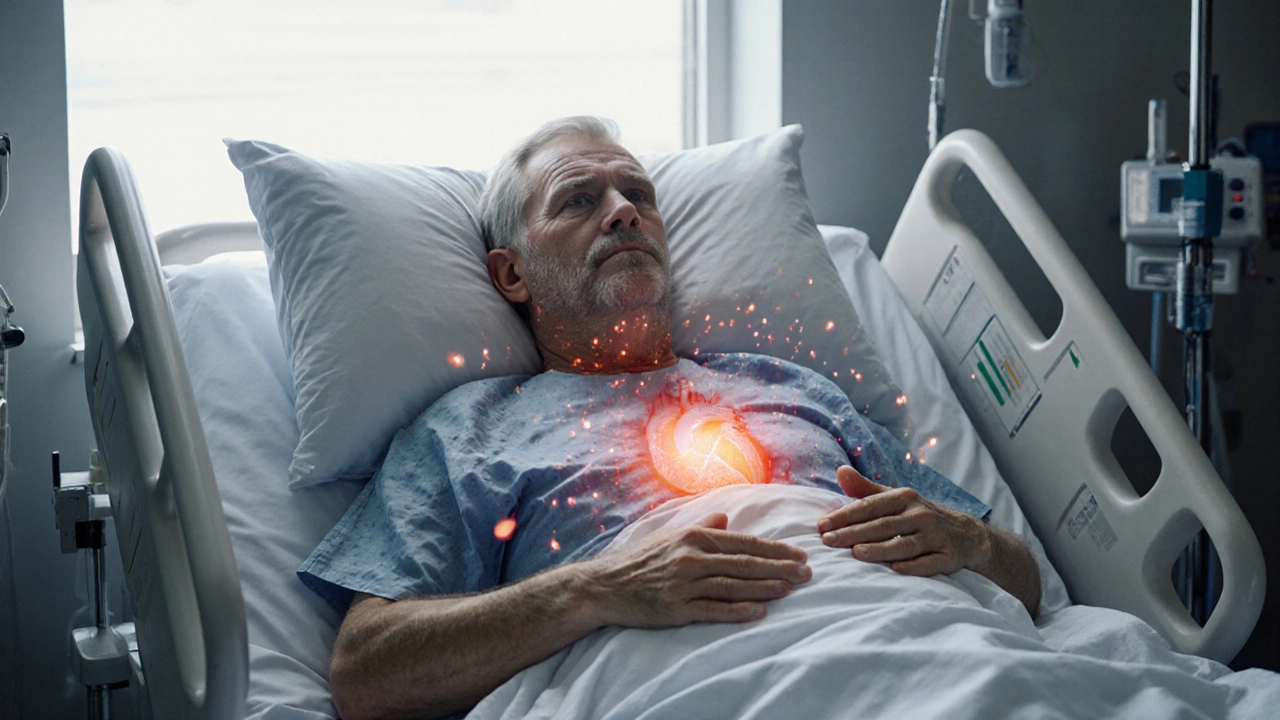
Post-Open-Heart Surgery Anger: Causes and Coping Strategies
Discover why anger often follows open‑heart surgery, learn the physiological and medication triggers, and get practical coping steps to regain emotional balance.

Recent Posts

Does Stiffness Ever Go Away After Knee Replacement?
February 13, 2026
30/30/30 Method for Losing Fat: How It Really Works
June 10, 2025
Bad Knees: The #1 Mistake That Makes Them Worse
May 13, 2025
What Is Bone Surgery Called? Common Terms and Procedures Explained
December 1, 2025