Alternative Medicine in India: What Works, What Doesn't, and What to Know
When people talk about alternative medicine, health practices outside conventional Western medicine, often rooted in tradition and culture. Also known as complementary medicine, it's not just a trend—it's a daily reality for millions in India. From morning turmeric water to Ayurvedic detox teas, these practices are woven into everyday life. But not everything called "alternative" is safe or effective. The key is knowing what’s been tested, what’s just folklore, and what might actually help—or hurt—you.
Ayurveda, a 5,000-year-old Indian system of medicine focused on balance between body, mind, and spirit. Also known as traditional Indian medicine, it’s not just about herbs—it’s a whole lifestyle, including diet, sleep, and daily routines. That’s why posts here break down what to eat first thing in the morning according to Ayurveda, and why coffee and raw fruit might not be the best start. It’s also why many Indians turn to herbal supplements, natural substances like ashwagandha, turmeric, or CoQ10 used to support health. Also known as nutraceuticals, they’re popular because they feel safer than pills. But here’s the catch: just because something is natural doesn’t mean it’s harmless. Ashwagandha might help with stress, but it can interfere with thyroid meds. Vitamin D3? That’s backed by real science for most urban Indians who never see enough sun. And yes, some supplements marketed as "Ayurvedic" are laced with heavy metals. You need to know what you’re taking.
Naturopathy, a system that uses natural methods like diet, fasting, and hydrotherapy to stimulate the body’s healing ability. Also known as nature cure, it’s growing fast in India, especially in wellness centers and rural clinics. But while some people swear by it for chronic pain or digestion, there’s little high-quality proof it works for serious conditions like cancer or diabetes. That’s why posts here don’t just list remedies—they ask hard questions: Is a cheaper version of Wegovy really safe if you buy it online? Can semaglutide help you lose 20 lbs in a month? And when does a natural approach become dangerous because it delays real treatment?
What you’ll find below isn’t a list of miracle cures. It’s a clear-eyed look at what alternative medicine actually delivers in the Indian context. You’ll see how Ayurveda shapes morning routines, how herbal supplements stack up against science, and why some "natural" fixes cost more—and risk more—than they’re worth. No hype. No fluff. Just what works, what doesn’t, and what you need to ask before trying it.
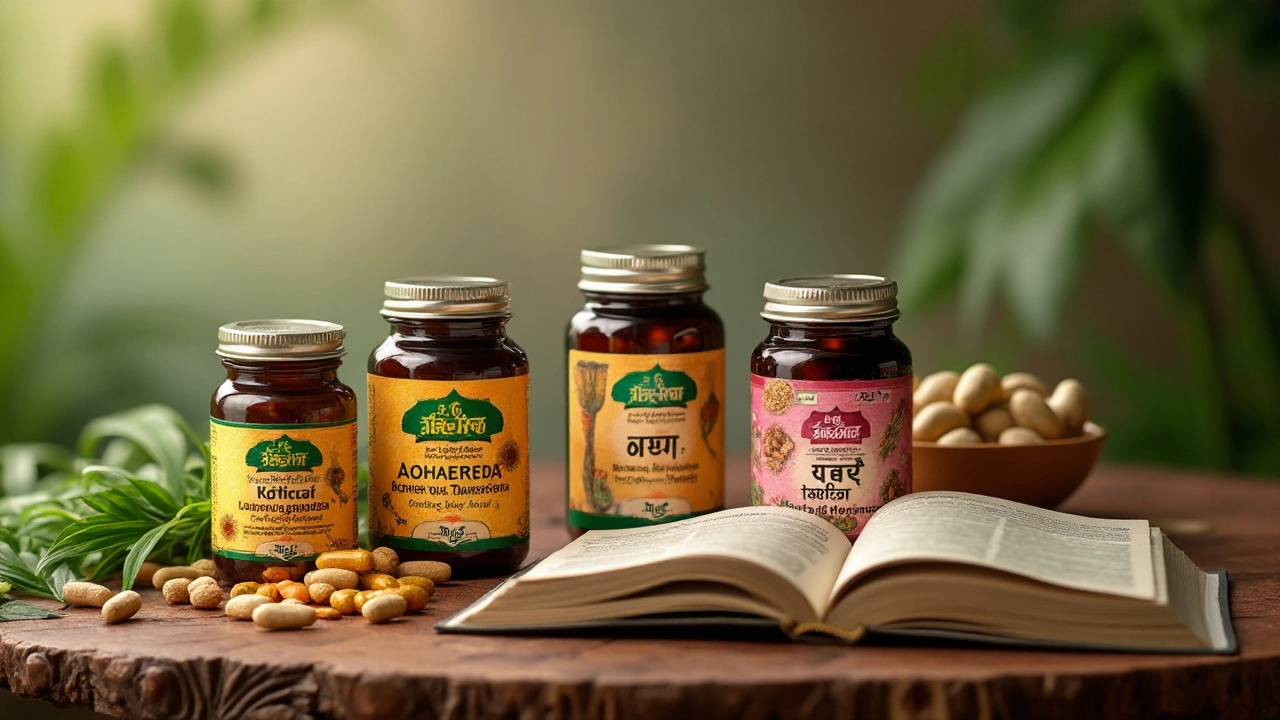
The Truth About Herbal Supplements: Do They Really Work?
The article explores the efficacy of herbal supplements, delving into whether they truly provide the health benefits they advertise. It examines scientific studies, expert opinions, and real-world experiences to provide a balanced view. The discussion includes potential benefits and risks, insights into popular herbs, and tips for making informed choices. With this comprehensive guide, readers can better understand how to approach herbal supplements in their wellness journey.

Recent Posts


What Are the First Signs Your Body Is Shutting Down from Cancer?
November 21, 2025
Best Overall Health Test: Choosing the Right Comprehensive Screening
October 23, 2025
Top Exercises to Burn Belly Fat Fast
October 8, 2025