Ayurvedic Diet Personalizer
Vata (Air + Space)
Thin build, creative, prone to anxiety & irregular digestion.
- • Digestion: Gas/Constipation
- • Stress: Weight loss, poor sleep
- • Traits: Energetic, dry skin
Pitta (Fire + Water)
Medium build, strong metabolism, sharp mind.
- • Digestion: Heartburn/Loose stools
- • Stress: Anger, inflammation
- • Traits: Ambitious, competitive
Kapha (Earth + Water)
Sturdy build, calm demeanor, steady energy.
- • Digestion: Slow, heavy after eating
- • Stress: Weight gain, lethargy
- • Traits: Loving, supportive
Your Personalized Plan
Daily Meal Plan
Breakfast (Light)
Focus Areas
Recommended Spices
Avoid These
The Six Tastes Balance for Your Dosha
A balanced meal includes all six tastes. Here's how your dosha should prioritize them:
Forget the complicated meal plans and restrictive rules you see on social media. Starting an Ayurvedic diet is a personalized eating approach based on ancient Indian medicine that focuses on balancing your body's unique energy type, or dosha, through specific foods and habits. It isn't about cutting out entire food groups forever. It is about understanding what makes *you* feel heavy, sluggish, or anxious, and using food to fix it.
If you have ever wondered why a salad makes one person feel light and another person feel bloated, Ayurveda has the answer. The system relies on the concept of three biological energies: Vata, Pitta, and Kapha. Your goal is not to eat "healthy" in a generic sense, but to eat in a way that balances your dominant constitution. Here is how to get started without getting overwhelmed.
Step 1: Identify Your Dominant Dosha
You cannot balance what you do not understand. Before you change your grocery list, you need to know who you are according to Ayurveda. Most people are a mix of two doshas, with one being dominant.
- Vata (Air + Space): You are likely thin, creative, and energetic, but prone to anxiety, dry skin, and irregular digestion. When stressed, you tend to lose weight and sleep poorly.
- Pitta (Fire + Water): You have a medium build, strong metabolism, and a sharp mind. You might be ambitious and competitive, but prone to anger, inflammation, and acidity when imbalanced.
- Kapha (Earth + Water): You have a sturdy build, calm demeanor, and steady energy. You are loving and supportive, but prone to weight gain, lethargy, and congestion when out of balance.
To find yours quickly, look at your digestion. Do you get gas and constipation often? That points to Vata. Do you get heartburn or loose stools? That points to Pitta. Do you feel heavy after eating and struggle with slow digestion? That points to Kapha. For this guide, we will focus on general principles that help everyone, but keep your specific type in mind as you read.
Step 2: Master the Six Tastes
Western nutrition counts calories and macros. Ayurveda counts tastes. There are six tastes: sweet, sour, salty, bitter, pungent, and astringent. A balanced meal should include all six, though the proportion changes based on your dosha.
| Taste | Effect on Body | Common Foods |
|---|---|---|
| Sweet | Nourishing, grounding | Rice, milk, fruits, grains |
| Sour | Stimulates appetite, digestion | Citrus, yogurt, vinegar, tomatoes |
| Salty | Hydrating, connects tissues | Sea salt, seaweed, pickles |
| Bitter | Detoxifying, cleansing | Leafy greens, coffee, dark chocolate |
| Pungent | Warming, stimulating | Chili, ginger, garlic, pepper |
| Astringent | Drying, firming | Lentils, pomegranate, unripe bananas |
If you only eat savory and sweet foods, you miss out on the cleansing power of bitter and astringent tastes. Try adding a small side of bitter greens like kale or arugula to your lunch. If you crave spicy food constantly, you might be lacking sweetness or grounding elements. Balance is key.
Step 3: Prioritize Fresh and Cooked Foods
One of the biggest shifts in an Ayurvedic lifestyle is moving away from cold, raw, and processed foods. While salads are trendy, they can be hard to digest, especially if you have a weak digestive fire (Agni).
Ayurveda recommends that most of your vegetables be cooked. Steaming, sautéing, or stewing breaks down the fibers, making nutrients easier to absorb. Raw foods are considered "heavy" and can dampen your digestive enzymes. If you love salads, try lightly steaming your greens first or adding warm spices like cumin and ginger to help your stomach handle them.
Freshness matters immensely. Stale bread, old leftovers, and canned goods lack Prana, or life force. Aim to cook meals fresh whenever possible. If you must eat leftovers, reheat them thoroughly until they are piping hot. Cold food slows down digestion; hot food ignites it.
Step 4: Follow the Golden Rules of Eating
What you eat is important, but *how* you eat is equally critical. These simple behavioral changes can transform your digestion overnight.
- Eat your largest meal at noon. Your digestive fire is strongest between 12 PM and 2 PM. This is the best time for heavy proteins, complex carbs, and fiber. Breakfast should be light, and dinner should be very light and early (ideally before 7 PM).
- Drink warm water. Stop chugging ice water. Sip warm or room-temperature water throughout the day. It helps dissolve fats and toxins in the gut. Avoid drinking large amounts of fluid during meals, as it dilutes digestive juices.
- Chew thoroughly. Digestion begins in the mouth. Chew each bite until it is liquid. This signals your stomach to prepare and reduces bloating.
- Eat in a calm environment. Stress shuts down digestion. Do not scroll through your phone or watch TV while eating. Sit down, breathe, and focus on your food.
Step 5: Use Spices as Medicine
In Western cooking, spices are for flavor. In Ayurveda, they are functional tools. Adding the right spices can correct imbalances and aid digestion.
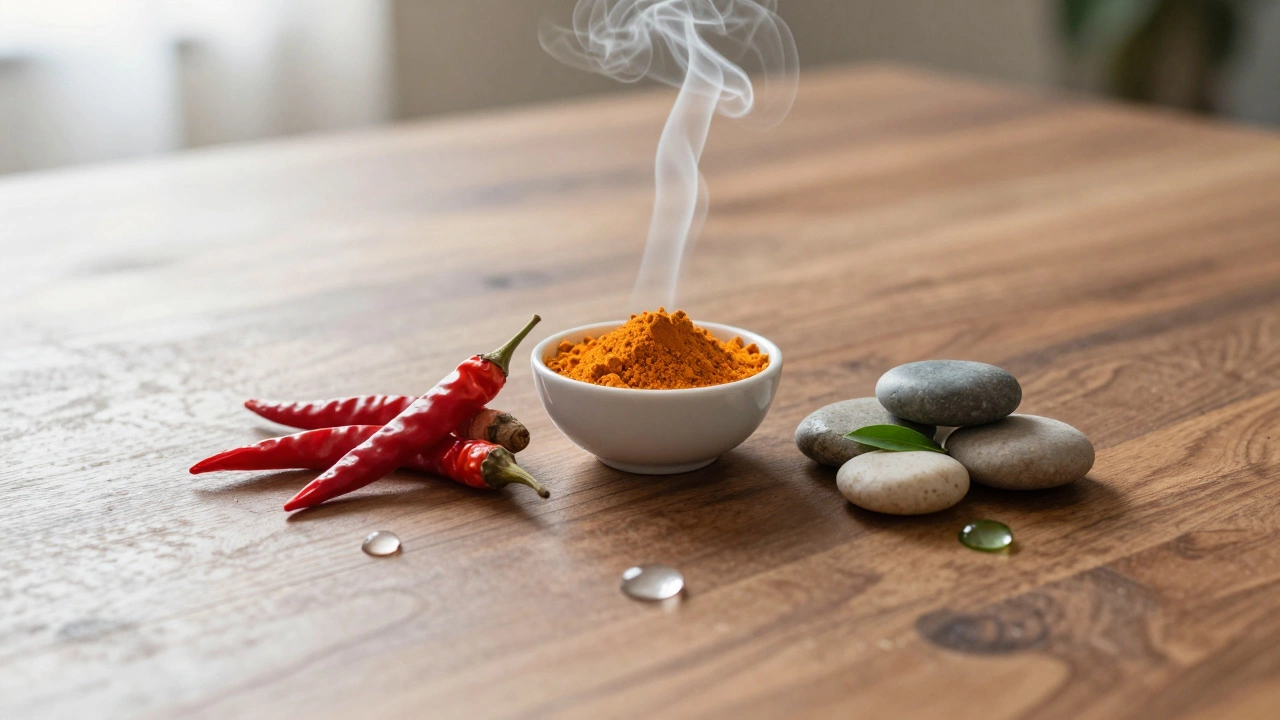
- Ginger: The king of digestive spices. Add fresh grated ginger to soups, teas, or stir-fries. It stimulates Agni and clears mucus.
- Cumin: Helps break down proteins and reduces gas. Sprinkle roasted cumin powder over lentils or rice.
- Turmeric: Anti-inflammatory and blood-purifying. Always cook turmeric with a pinch of black pepper to increase absorption by 2000%.
- Fennel: Cooling and soothing. Chew a teaspoon of fennel seeds after a meal to cool down Pitta and aid digestion.
Start by adding these to your daily cooking. You do not need expensive supplements. Real food and real spices work best.
Sample One-Day Ayurvedic Meal Plan
Here is a practical example of how to structure your day. This plan is designed to be gentle on the stomach and suitable for most doshas.
Morning (6:30 AM): Wake up, drink a glass of warm water with lemon (skip lemon if you have high Pitta/acidity). Practice 5 minutes of deep breathing or gentle stretching.
Breakfast (8:00 AM): Warm oatmeal made with almond milk, topped with stewed apples, cinnamon, and a handful of almonds. Or, a bowl of moong dal khichdi (rice and yellow lentils) with ghee.
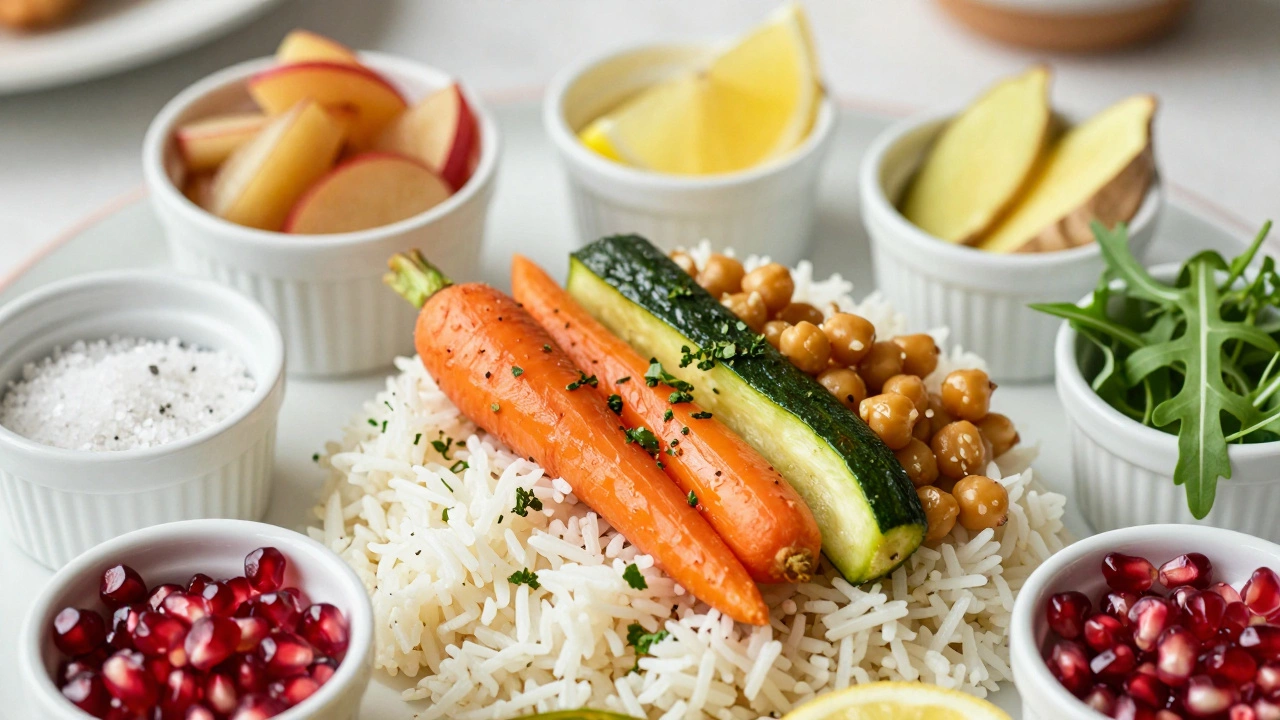
Lunch (12:30 PM): Basmati rice, a serving of roasted seasonal vegetables (like carrots, zucchini, and broccoli), and a protein source like chickpeas or tofu. Finish with a small bowl of homemade yogurt (avoid if you have congestion).
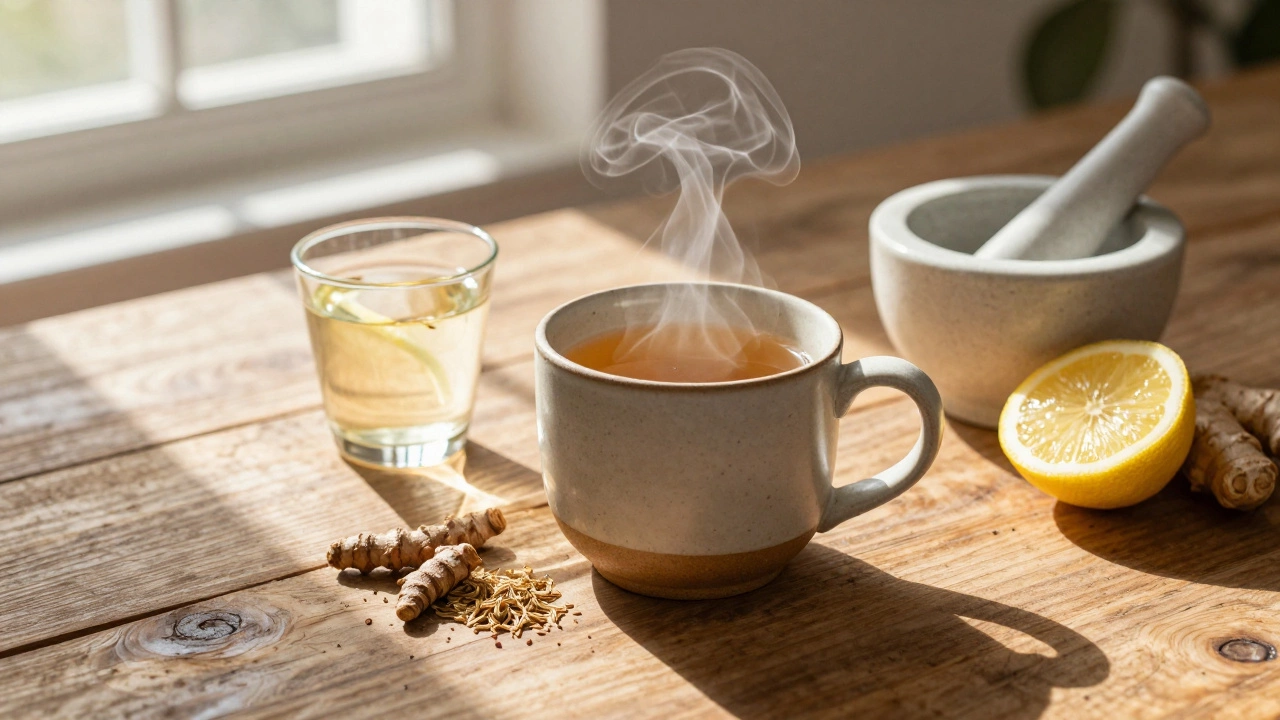
Afternoon Snack (4:00 PM): A piece of ripe fruit (like a pear or apple) or a cup of ginger tea.
Dinner (6:30 PM): A light soup, such as vegetable broth with spinach and barley. Or, a small portion of quinoa with steamed greens. Keep this meal small enough that you feel slightly hungry afterward.
Common Pitfalls to Avoid
Many beginners make mistakes that lead to frustration. Here is what to watch out for.
Overdoing raw foods: As mentioned, too many raw salads can cause bloating and fatigue. Stick to cooked veggies unless you have a very strong digestion.
Ignoring your body's signals: If a food makes you feel heavy or tired, stop eating it, even if it is "superfood." Ayurveda is personal. Listen to your body.
Drinking cold beverages: Ice water shocks the digestive system. Switch to warm herbal teas or room-temperature water.
Eating late at night: Digestion slows down in the evening. Eating heavy meals before bed leads to poor sleep and toxin buildup.
FAQs About Starting an Ayurvedic Diet
Can I follow an Ayurvedic diet if I am vegetarian?
Yes, Ayurveda is naturally compatible with vegetarian diets. In fact, traditional Ayurvedic texts emphasize plant-based foods, dairy, and grains. However, ensure you get enough protein from lentils, beans, nuts, and seeds. If you are non-vegetarian, choose fresh, ethically sourced meats like chicken or fish, and avoid red meat and pork, which are considered heavy and difficult to digest.
Do I need to buy special Ayurvedic ingredients?
No, you do not need expensive supplements or rare herbs to start. Most Ayurvedic staples like ginger, turmeric, cumin, coriander, and cardamom are available in any standard grocery store. Focus on fresh, whole foods rather than processed "Ayurvedic" products sold online.
How long does it take to see results?
Most people notice improvements in digestion and energy levels within 2-3 weeks. Skin clarity and mental calmness may take 1-3 months. Consistency is key. Occasional indulgences are fine, but try to stick to the core principles of warm, cooked, and balanced meals.
Is ghee necessary in an Ayurvedic diet?
Ghee (clarified butter) is highly valued in Ayurveda for its lubricating and nourishing properties. It aids digestion and carries nutrients into the tissues. However, if you have high cholesterol or Kapha imbalance, use it sparingly. You can substitute with coconut oil for Vata/Pitta types or sesame oil for Vata types.
Can I exercise while following an Ayurvedic diet?
Absolutely. Exercise supports digestion and circulation. Choose activities that match your dosha. Vata types benefit from grounding yoga and swimming. Pitta types do well with cooling exercises like swimming or moderate jogging. Kapha types need vigorous activity like running or strength training to stay energized.