Ayurvedic Weight Loss Profile Analyzer
Step 1: Identify Your Dominant Dosha
Select the profile that best describes your natural physical traits and tendencies.
Vata
- Thin, bony frame
- Quick movements/speech
- Prone to anxiety
- Irregular appetite
- Cold hands/feet
Pitta
- Moderate, muscular build
- Warm skin
- Strong digestion
- Intense focus
- Prone to irritability
Kapha
- Solid, sturdy frame
- Slow metabolism
- High endurance
- Prone to water retention
- Calm, steady nature
Your Personalized Ayurvedic Strategy
Dietary Focus
Exercise & Lifestyle
Recommended Herbs
Key Mistakes to Avoid
Standing in front of the mirror and wondering if that ancient jar of Triphala is actually going to shrink your waistline? You are not alone. In a market flooded with crash diets and miracle pills, Ayurveda often gets blamed for doing too little or promised too much. The truth sits somewhere in the middle: it is not a magic eraser, but a systematic approach to resetting how your body handles food, stress, and movement.
Many people expect immediate results within two weeks. That expectation usually leads to disappointment. Instead, think of this system as a long-term recalibration of your metabolism. If you have tried modern dieting without success, you might be dealing with what practitioners call an aggravated Kapha dosha, which slows down digestion and encourages storage. The goal here isn't just cutting calories; it's fixing the engine so it burns fuel efficiently again.
How Ayurveda Actually Works for Weight Loss
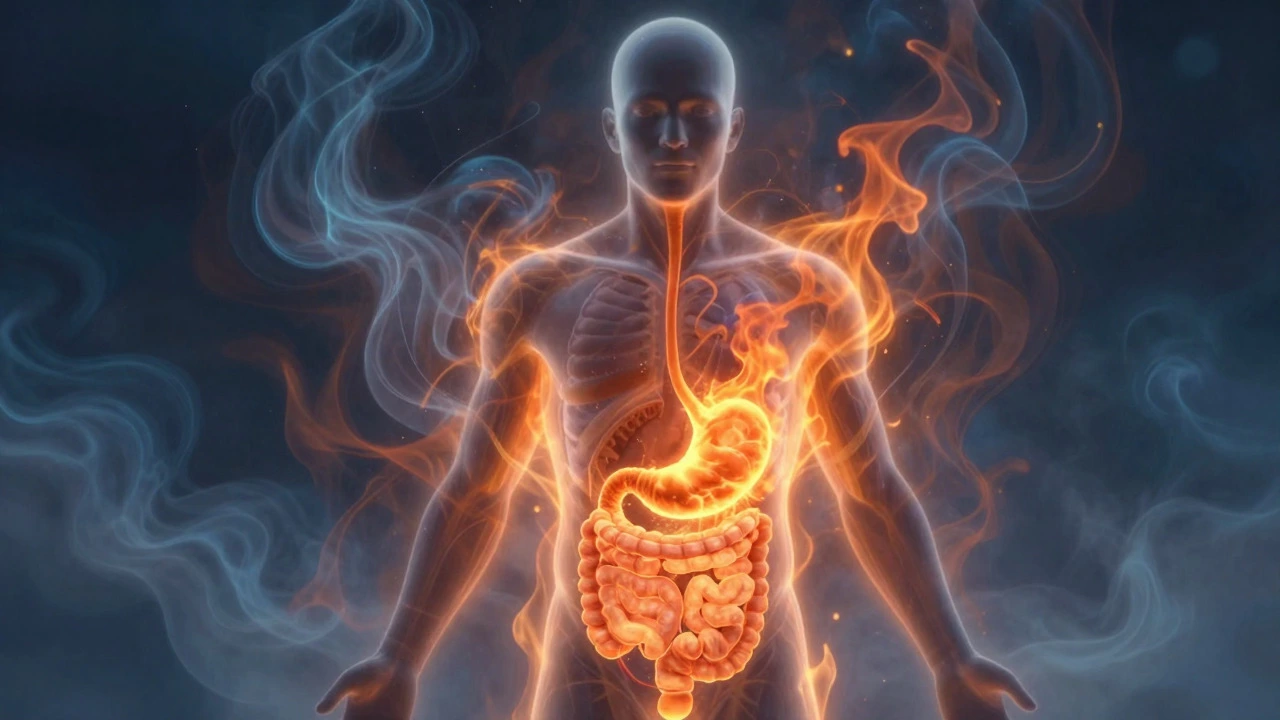
To understand the mechanism, you need to look past the herbs and into the philosophy. Ayurveda is a traditional Indian medical system that focuses on balancing the three biological energies, or doshas, to restore health. When it comes to excess weight, the primary culprit is rarely a lack of willpower. It is almost always a sluggish digestive fire, known as Agni. When Agni is weak, undigested food turns into toxic waste called Ama. This Ama clogs the channels of the body, leading to bloating, fatigue, and stubborn fat deposits.
The strategy involves three pillars:
- Dietary Modification: Eating foods that match your constitution rather than restricting them arbitrarily.
- Lifestyle Routines (Dinacharya): Aligning sleep, exercise, and hygiene with natural rhythms.
- Herbal Support: Using specific botanicals to boost metabolism and reduce inflammation.
This holistic view explains why a standard low-calorie diet might fail for some. If your Agni is weak, eating fewer calories can sometimes make digestion even lazier, causing more Ama to build up. Ayurveda addresses the root cause by stimulating the fire first.
The Role of Doshas in Fat Storage
Not everyone stores weight the same way. Your dominant dosha dictates where fat accumulates and how easily you lose it. Understanding this helps you tailor your approach instead of following a generic plan.
| Dosha | Elemental Composition | Typical Body Type | Weight Loss Challenge |
|---|---|---|---|
| Vata | Air + Ether | Thin, bony, quick movements | Hard to gain, easy to lose; often underweight or irregular appetite |
| Pitta | Fire + Water | Moderate, muscular, warm skin | Maintains weight well; prone to muscle loss if diet is too restrictive |
| Kapha | Earth + Water | Solid, sturdy, slow metabolism | Easiest to gain, hardest to lose; requires stimulation and heat |
If you identify as Kapha-predominant, you likely have a strong immune system and endurance, but your metabolism runs at a slower pace. For you, the key is introducing "heat" and "movement." Cold foods like smoothies or raw salads can aggravate Kapha, making weight loss harder. Warm, spiced meals and vigorous exercise become essential tools. Conversely, Vata types often struggle with anxiety-driven overeating or irregular meal times, requiring grounding routines and warm, oily foods to stabilize their digestion.
Key Herbs and Their Specific Functions
Herbal supplements form the backbone of many Ayurvedic weight loss protocols. However, they work best when paired with dietary changes. Here are the most commonly used botanicals and what they actually do physiologically.
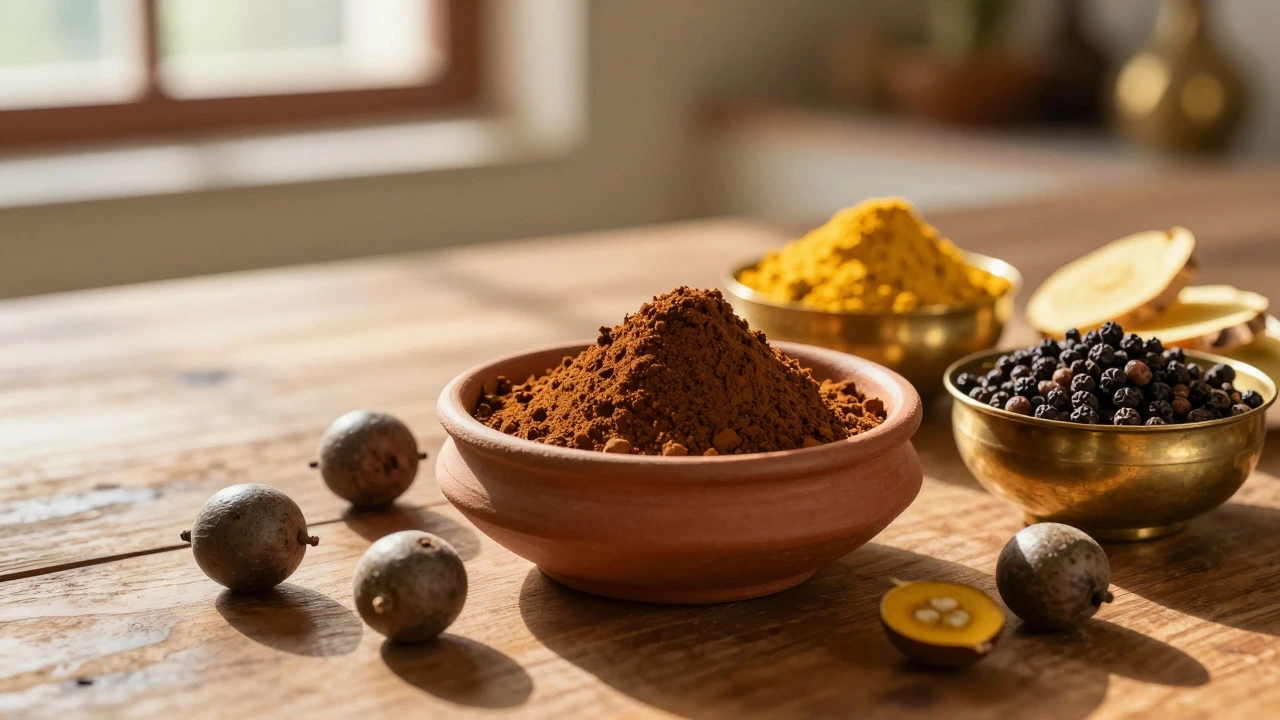
Guggul is perhaps the most famous herb for this purpose. Derived from the resin of the Commiphora mukul tree, Guggul has been studied for its ability to lower cholesterol and improve thyroid function. Since an underactive thyroid is a common hidden cause of weight gain, Guggul acts as a gentle stimulant for metabolic rate. It is particularly effective for Kapha constitutions because of its bitter and pungent taste, which cuts through heaviness.
Triphala serves a different role. It is a combination of three fruits: Amalaki, Bibhitaki, and Haritaki. Unlike Guggul, Triphala is a mild laxative and antioxidant. It cleanses the colon, ensuring that Ama does not accumulate in the gut. By improving bowel regularity, it reduces bloating and creates a cleaner internal environment for nutrient absorption. Many users take this at bedtime to support overnight detoxification.
Then there is Turmeric, specifically curcumin. While often associated with joint health, its anti-inflammatory properties help reduce systemic inflammation that can hinder fat loss. Chronic inflammation keeps insulin resistance high, making it difficult for the body to switch from storing fat to burning it. Adding turmeric to your daily routine helps lower these inflammatory markers.
Dietary Rules That Beat Calorie Counting
You don't need a calorie counter to succeed with Ayurveda, but you do need to follow certain rules regarding *how* and *what* you eat. The concept of "right food at the right time" is central.
- Breakfast is the main meal: Your Agni is strongest in the morning. Eat a substantial, warm breakfast. Avoid skipping it, as this weakens the digestive fire for the rest of the day.
- Light dinners: Digestion slows down at night. A heavy dinner leads to poor sleep and increased fat storage. Opt for soups, steamed vegetables, or light grains.
- Warm water only: Drinking cold water congeals the fats in your stomach, slowing down digestion. Always drink warm or room-temperature water, ideally before meals to prepare the stomach.
- Spice usage: Ginger, black pepper, and cinnamon are not just flavors; they are digestive aids. They increase gastric acid production and enzyme activity.
For example, if you are trying to lose weight, avoid combining dairy with sour fruits or fish. These combinations create Ama according to Ayurvedic principles. Stick to compatible pairings, such as ghee with cooked grains, which lubricates the intestines without adding excessive heaviness.
Lifestyle Adjustments Beyond Food
Food accounts for about 60% of the equation. The remaining 40% lies in your daily habits. Without these adjustments, even the best herbal regimen may stall.
Exercise in Ayurveda is not about punishing yourself on a treadmill. It is about choosing activities that suit your dosha. Kapha types benefit from high-intensity interval training (HIIT) or power yoga to generate heat. Vata types should focus on gentle yoga, walking, and stretching to avoid anxiety. Pitta types do well with moderate aerobic exercises like swimming or cycling.
Sleep is equally critical. Poor sleep disrupts cortisol levels, which directly impacts abdominal fat storage. Aim for consistent bedtimes and wake-up times. Going to bed before 10 PM allows your body to enter the deep restorative phases of sleep that aid in cellular repair and hormone regulation.

What Does the Science Say?
Skeptics often question whether these ancient practices hold up against modern scrutiny. Recent clinical trials have provided some validation. A study published in the Journal of Ethnopharmacology found that Guggul extract significantly improved lipid profiles in participants with hyperlipidemia. Another review highlighted that Triphala improved glycemic control in type 2 diabetes patients, suggesting its potential utility in managing metabolic syndrome, a precursor to obesity.
However, the evidence is still emerging. Most studies are small-scale or short-term. The consensus among integrative medicine practitioners is that Ayurveda works best as a complementary therapy, not a standalone cure-all. It shines when combined with modern nutritional advice and regular physical activity.
Common Mistakes to Avoid
Even with good intentions, people often sabotage their progress. Here are the pitfalls I see frequently:
- Over-reliance on supplements: Taking Guggul while eating processed junk food is like pouring gas into a car with a broken engine. Fix the diet first.
- Ignoring individual constitution: What works for a Kapha type might exhaust a Vata type. One-size-fits-all plans rarely work.
- Inconsistent timing: Herbal remedies work best when taken at specific times relative to meals. Random dosing reduces efficacy.
- Expecting rapid results: Metabolic shifts take weeks, not days. Patience is part of the protocol.
Also, watch out for low-quality products. Not all herbal supplements are created equal. Look for brands that test for heavy metals and purity, as contamination is a risk in unregulated markets.
Frequently Asked Questions
Can Ayurveda replace a doctor-prescribed weight loss plan?
It can complement a prescribed plan, but rarely replace it entirely, especially if you have underlying conditions like hypothyroidism or PCOS. Always consult your healthcare provider before stopping medication. Ayurveda offers lifestyle and dietary frameworks that support the medical treatment, enhancing overall outcomes rather than acting as a solitary solution.
How long does it take to see results with Ayurvedic weight loss?
Most people notice reduced bloating and better energy levels within 2 to 4 weeks. Significant weight loss typically becomes visible after 8 to 12 weeks of consistent adherence to diet and lifestyle changes. The timeline varies based on your starting weight, dosha imbalance severity, and consistency.
Is Guggul safe for long-term use?
Generally yes, but it is potent. Long-term use without monitoring can affect liver enzymes in rare cases. It is recommended to cycle the supplement, such as taking it for 3 months followed by a 1-month break, or to use it under the guidance of a qualified practitioner who can monitor your blood work.
Do I need to give up sugar completely?
You don't need to eliminate it forever, but you should drastically reduce refined sugars. Ayurveda distinguishes between natural sweetness in fruits and the 'cold' nature of refined sugar, which aggravates Kapha. Focus on replacing white sugar with jaggery or dates in moderation, and prioritize whole foods over processed sweets.
What is the best time to take Triphala?
The optimal time is at bedtime, taken with warm water. This allows the herbs to work throughout the night, promoting bowel movements in the early morning. Taking it during the day can lead to frequent bathroom visits, which may be inconvenient.