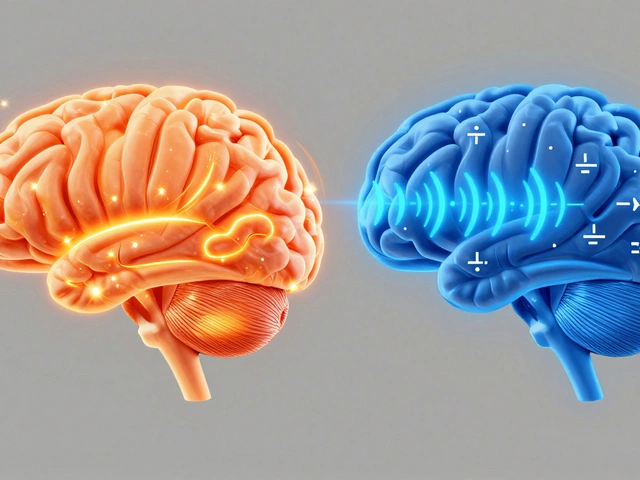
Terminal Cancer Signs: What to Watch For and When to Seek Help
When cancer reaches its final stage, the body sends clear signals—not always loud, but always present. These are the terminal cancer signs, the physical and emotional changes that occur as the disease progresses and the body begins to shut down. Also known as end-stage cancer symptoms, they aren’t about fear—they’re about understanding what’s happening so you can focus on comfort, dignity, and connection. This isn’t about giving up. It’s about knowing when to shift from fighting to holding on—to each other, to peace, to quiet moments that still matter.
People often mistake these signs for just getting weaker or older. But there’s a difference. A person with terminal cancer may stop eating not because they’re picky, but because their body no longer signals hunger. They might sleep most of the day—not from laziness, but because their energy is being used just to keep breathing. Pain doesn’t always show up as sharp pain—it can be a deep, constant ache, or even a strange numbness. Changes in breathing—long pauses between breaths, shallow gasps, or rattling sounds—are common as the lungs slow down. These aren’t emergencies to fix. They’re part of the natural path.
Palliative care, a focused approach to managing symptoms and improving quality of life when cure isn’t possible. Also known as supportive care, it’s not a last resort—it’s the most important care at this stage. It doesn’t mean giving up treatment. It means choosing what matters: reducing pain, easing nausea, helping someone stay alert long enough to say goodbye, or just holding their hand without rushing. And hospice care, a structured system that brings medical, emotional, and spiritual support into the home or a quiet facility. Also known as end-of-life care, it’s not about speed. It’s about time—making sure the time left is as peaceful as possible. Many families wait too long to ask for it, thinking it means giving up. But hospice teams show up when you need them most—not to stop care, but to change how care feels.
You won’t find a checklist that fits every person. Cancer affects everyone differently. But the patterns repeat: less talk, more sleep, less interest in food, changes in skin color, cooler limbs, confusion or withdrawal. These aren’t failures. They’re signs the body is doing what it needs to do. The goal isn’t to reverse them. It’s to honor them.
What you’ll find in the posts below aren’t medical textbooks. They’re real stories and clear explanations from people who’ve been there—families, caregivers, and patients in India who’ve walked this path. You’ll learn what to expect, what to ask for, and how to make decisions without guilt or confusion. No fluff. No false hope. Just what matters when time is short.
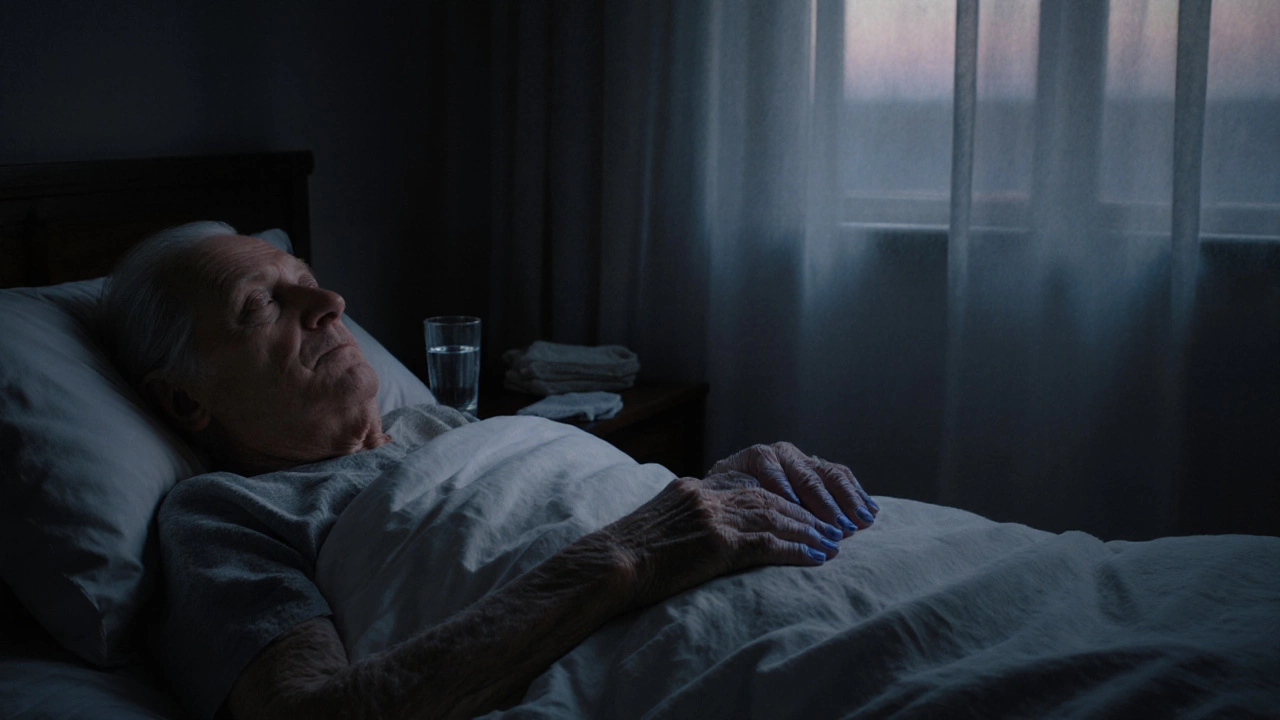
What Are the First Signs Your Body Is Shutting Down from Cancer?
Learn the quiet, natural signs your body is shutting down from advanced cancer-loss of appetite, increased sleep, cold limbs, changed breathing, and more. These are not emergencies. They're part of the body's final journey.

Recent Posts



What is the Hardest Part of IVF?
April 2, 2025