Postoperative Shower Guidelines: When and How to Clean Up After Surgery
When you’re recovering from surgery, postoperative shower guidelines, the rules for bathing safely after a surgical procedure aren’t just about cleanliness—they’re about protecting your healing body. Skipping a shower might feel safer, but not cleaning properly can lead to infection. Showering too soon or the wrong way can open wounds, loosen stitches, or trigger dizziness. The key isn’t to avoid water—it’s to use it wisely.
Most surgeons in India recommend waiting 24 to 48 hours before showering after routine procedures like appendectomy or knee replacement. For open-heart surgery or major abdominal operations, you might need to wait longer—sometimes up to 72 hours. Always check your discharge papers. The surgical wound, the incision made during the operation needs time to seal. Water pressure, steam, and scrubbing can disrupt that seal. Even if your dressing is waterproof, don’t soak it. Use lukewarm water, not hot. Hot water increases swelling and slows healing. Keep showers short—under 10 minutes. Avoid direct spray on the incision. Gently pat the area dry with a clean towel. Never rub. Don’t use soap directly on the wound until your doctor says it’s okay. If you have staples or sutures, keep them dry as long as possible.
Some people think antibacterial soaps are better, but they’re not always necessary. Plain, mild soap works fine once the wound is closed. infection prevention, the set of practices to stop bacteria from entering surgical wounds isn’t about over-cleaning—it’s about smart cleaning. Watch for redness, swelling, pus, or a foul smell. If you see any, call your doctor. Also, avoid baths, swimming pools, and hot tubs for at least two weeks. These environments carry bacteria that can invade healing tissue. If you’re wearing a dressing, change it after showering only if it’s wet or dirty. Many modern dressings are designed to stay on for days.
Postoperative shower guidelines vary depending on the surgery. A simple hernia repair? You might shower the next day. A joint replacement? Wait a day or two and avoid bending the knee or hip too much while washing. After cardiac surgery, you might need help standing—dizziness is common from anesthesia and medications. Have someone nearby the first few times. If you’re diabetic, keep blood sugar in check—high sugar slows healing and increases infection risk. If you’re older or have weak immunity, be extra careful. These aren’t just rules—they’re your body’s way of telling you it’s still fragile.
You’ll find real stories here—from people who rushed their first shower and paid for it, to those who waited and healed without a hitch. We’ve collected advice from Indian hospitals, recovery clinics, and patients who’ve been through it all. No fluff. No guesswork. Just what actually works.
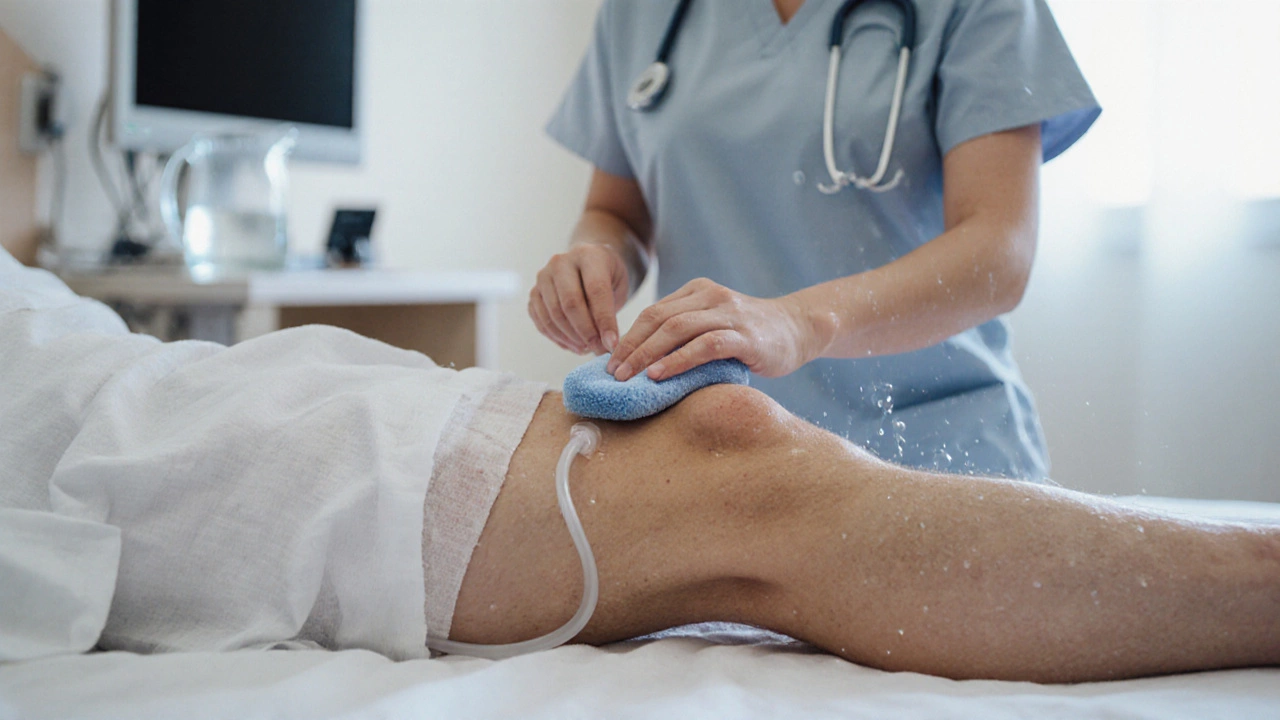
Shower Timing After Knee Replacement: When Is It Safe?
Learn the safest timeline and step‑by‑step tips for showering after knee replacement surgery, including dressings, shower chairs, and warning signs.

Recent Posts

Vitamin C: The Radiance Booster for Your Skin
February 12, 2025
Guide to Finding the Most Reliable Online Pharmacy
January 21, 2025
Is ADHD a Form of Autism? Clear Facts About the Connection
March 17, 2026