Postoperative Pain: What It Is, Why It Happens, and How to Manage It
When you go under the knife, your body doesn’t just heal—it postoperative pain, the discomfort that follows surgery as tissues repair and nerves reset kicks in. It’s not a flaw. It’s not failure. It’s biology. Whether it’s a knee replacement, heart surgery, or a simple appendectomy, your body is working overtime to fix itself, and pain is the alarm system telling you something changed. This isn’t the kind of pain you ignore. It’s the kind you manage—smartly, safely, and without unnecessary suffering.
What makes postoperative pain so tricky is that it’s not one thing. It’s a mix. There’s the sharp, immediate pain from the cut. Then there’s the deep, throbbing ache from muscles and tendons being moved or stretched. And sometimes, especially after major surgeries like open-heart procedures, there’s even emotional pain—anger, frustration, or anxiety—that makes the physical hurt feel worse. That’s why pain management isn’t just about popping pills. It’s about understanding your body’s signals, knowing when to ask for help, and using tools like ice, movement, breathing, and proper meds in the right order. Many patients in India skip physical therapy or delay moving because they fear pain. But staying still too long often makes it worse. Movement, even small steps, helps blood flow, reduces swelling, and resets nerve sensitivity faster than bed rest alone.
Then there’s the post-op care side of things. Hospitals give you instructions, but they don’t always explain why. Why do you need to sit up after surgery? Why should you avoid certain painkillers if you have kidney issues? Why does your leg feel numb even after the anesthesia wore off? These aren’t random rules. They’re science-backed steps to prevent complications like blood clots, infections, or chronic pain. And in India, where access to follow-up care can be uneven, knowing what to watch for—like fever, swelling that spreads, or pain that gets worse instead of better—can make all the difference. You’re not just recovering from surgery. You’re learning how your body responds to trauma, and that knowledge is power.
What you’ll find below are real stories and practical advice from people who’ve been through it. From the hardest day after a knee replacement to why anger shows up after heart surgery, these posts cut through the noise. No fluff. No sugarcoating. Just what works—and what doesn’t—when your body is healing after surgery. Whether you’re prepping for an operation, stuck in recovery, or caring for someone who is, this collection gives you the clear, no-nonsense guide to getting through postoperative pain without losing your mind.
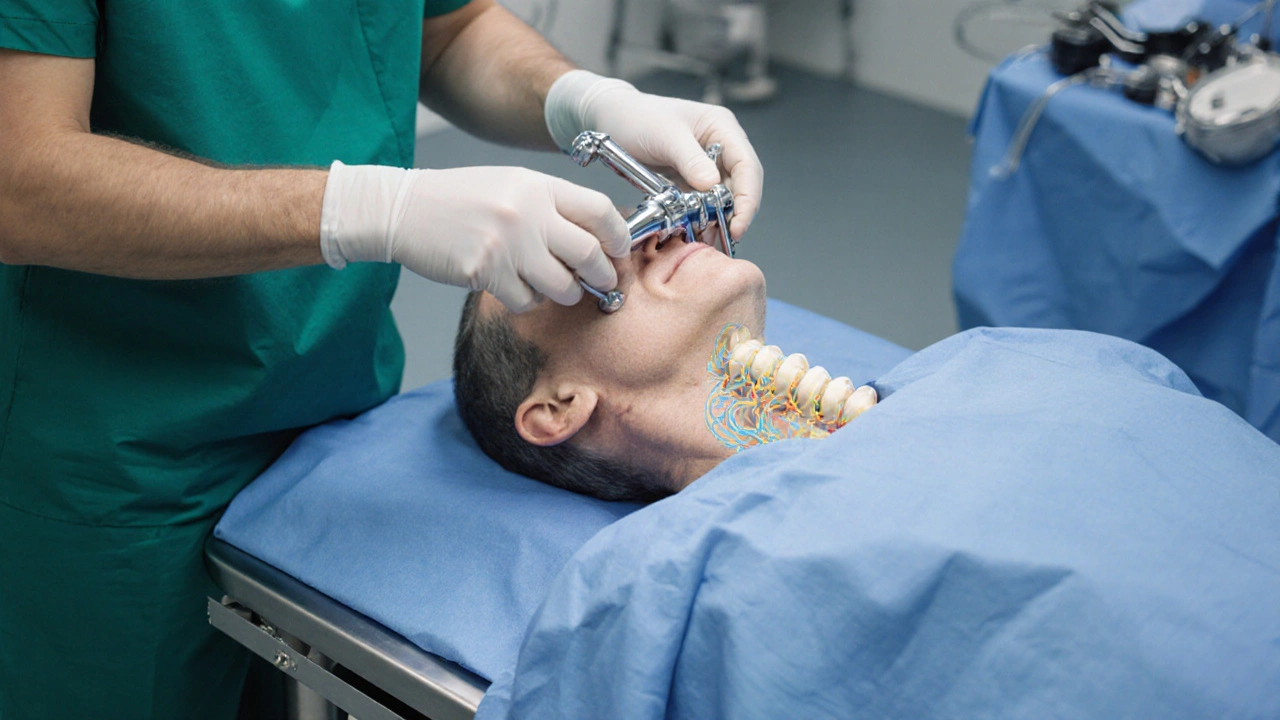
Most Painful Surgeries Ranked: Which Operations Hurt the Most?
Explore which surgeries cause the most pain, why they rank so high, and learn practical tips to manage severe postoperative discomfort.

Recent Posts


Wegovy: Monthly Cost Uncovered and Explained
March 10, 2025