Post Knee Surgery Care: What Really Works for Recovery in India
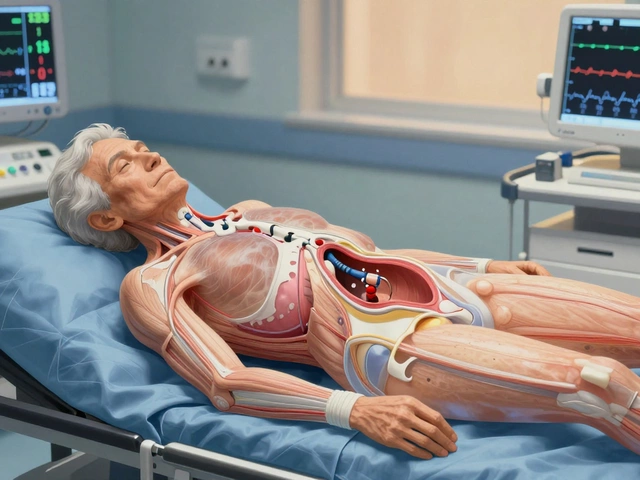
When you’ve had a knee replacement, a surgical procedure to replace a damaged knee joint with an artificial one. Also known as total knee arthroplasty, it’s one of the most common orthopedic surgeries in India. But the operation is only half the battle—post knee surgery care decides whether you walk pain-free or stay stuck in discomfort. Many patients focus only on the surgery day, but the real work begins the moment you leave the hospital.
The first few days after surgery are the toughest. Swelling, stiffness, and sharp pain are normal—but they don’t have to control you. The TKA recovery timeline, the predictable pattern of healing after total knee arthroplasty shows most people see big improvements by week 4, but full recovery takes 3 to 6 months. What happens in those first weeks sets the tone. Skipping physiotherapy, avoiding movement out of fear, or ignoring swelling won’t make it go away—it’ll make it worse. Your body needs motion to heal, not rest. Even small walks around the house, done daily, beat lying still for hours.
Swelling is your body’s natural response, but it’s also the biggest barrier to movement. Ice packs, compression sleeves, and keeping your leg elevated aren’t optional—they’re essential. In India’s warm climate, people often skip these steps because they feel uncomfortable. But heat makes swelling worse. Cold helps. So does proper nutrition. Protein isn’t just for bodybuilders—it’s what your tissues use to repair. Eggs, lentils, chicken, and dairy matter more than you think after surgery. And don’t forget vitamin D. With so many Indians deficient, low levels slow healing and weaken bones around the new implant.
Pain management is another area where people get it wrong. Some overuse painkillers and feel dizzy. Others avoid them completely and suffer needlessly. The goal isn’t to be pain-free—it’s to stay ahead of the pain. Take your meds on schedule, not just when it hurts. And don’t wait until the pain is unbearable. Mobility comes before comfort. The sooner you bend your knee, even a little, the less scar tissue forms. That’s why physiotherapists push you to do those awkward exercises. They’re not trying to torture you—they’re preventing long-term stiffness.
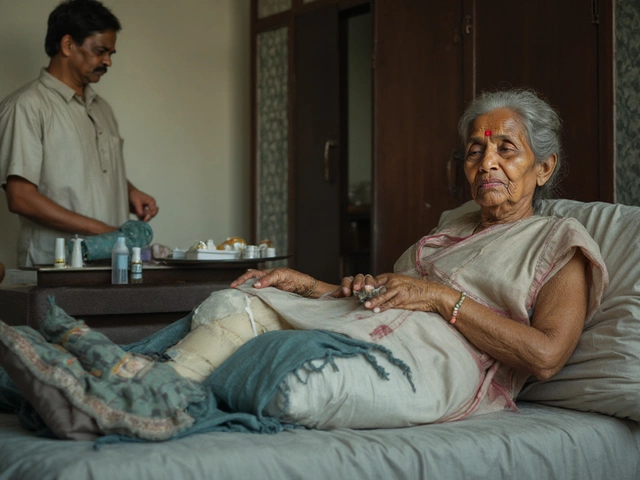
What about home care? Most Indian families don’t have nurses. But that doesn’t mean you’re on your own. A family member can help with simple things: reminding you to do your exercises, helping you sit and stand safely, making sure you drink enough water. Don’t underestimate hydration. Dehydration thickens your blood and increases clot risk. And yes, sitting cross-legged or squatting too soon? Avoid it. Your new knee isn’t built for deep bends. It’s built for walking, climbing stairs, and sitting in chairs—not for Indian-style sitting on the floor.
There’s no magic pill or miracle cream for recovery. It’s consistent movement, smart pain control, good nutrition, and patience. The hardest day after knee replacement? Usually day 2 or 3. That’s when the numbing meds wear off and the real pain hits. But if you’ve prepared—knowing what to expect, having your ice packs ready, your walker nearby—you’ll get through it. And by day 7, you’ll notice the difference. You’ll sleep better. You’ll stand up without gasping. You’ll start believing you’ll walk again without help.
Below, you’ll find real stories and practical guides from people who’ve been through this. No theory. No marketing. Just what worked—and what didn’t—for patients in India.
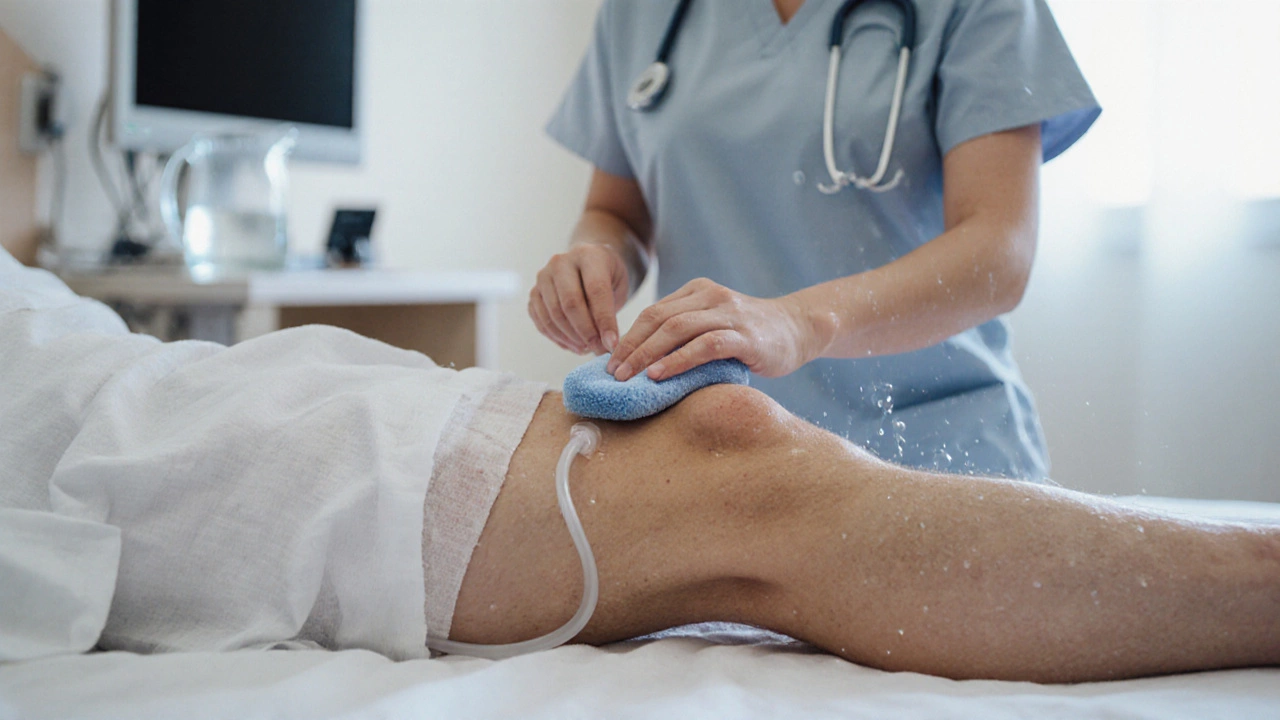
Shower Timing After Knee Replacement: When Is It Safe?
Learn the safest timeline and step‑by‑step tips for showering after knee replacement surgery, including dressings, shower chairs, and warning signs.

Recent Posts