Obesity Diet Country: What Works in India and Why
When we talk about obesity diet, a plan designed to reduce excess body fat through food choices and lifestyle changes. Also known as weight loss diet, it's not just about cutting calories—it's about matching what you eat to how your body actually works in your environment. In India, this isn’t a one-size-fits-all problem. The same diet that helps someone in the U.S. lose weight might make an Indian person gain more. Why? Because metabolism, food habits, and daily activity levels are shaped by culture, climate, and access—not just science.
Take Indian diet for weight loss, the traditional eating patterns of people in India, often high in carbs, spices, and legumes. Many assume it’s healthy because it’s plant-based. But white rice, fried snacks, sugary chai, and refined flour rotis are everywhere. Add long hours sitting at desks and less walking, and you get insulin resistance before age 30. That’s not laziness. It’s a mismatch between what the body evolved to handle and what modern life serves.
Meanwhile, metabolic health, how well your body turns food into energy without storing it as fat is collapsing in urban India. Studies show over 70% of middle-class Indians have prediabetes or fatty liver by age 40. Yet most weight loss advice still pushes low-fat, high-carb meals—exactly what’s making things worse. The real fix? Protein-rich meals early in the day, fewer refined carbs, and movement built into daily life—not just gym sessions.
What you eat matters less than when and how you eat it. Ayurveda got this right: warm, cooked food first thing in the morning wakes up digestion. Cold smoothies and coffee? They slow it down. Skipping meals? That triggers fat storage. And yes, Ozempic and metformin are helping some people lose weight—but they’re not magic. They work best when paired with real food changes, not just pills.
There’s no global obesity diet that fits India. The solutions here are local: replacing white rice with millet, swapping fried samosas for grilled paneer, drinking water instead of sweet lassi. It’s not about perfection. It’s about consistency. The posts below show what real people in India are doing—what worked, what didn’t, and why the old advice keeps failing. You’ll find practical tips on food timing, affordable alternatives to expensive weight loss drugs, and how to eat in a way that matches your body’s rhythm—not a Western trend.
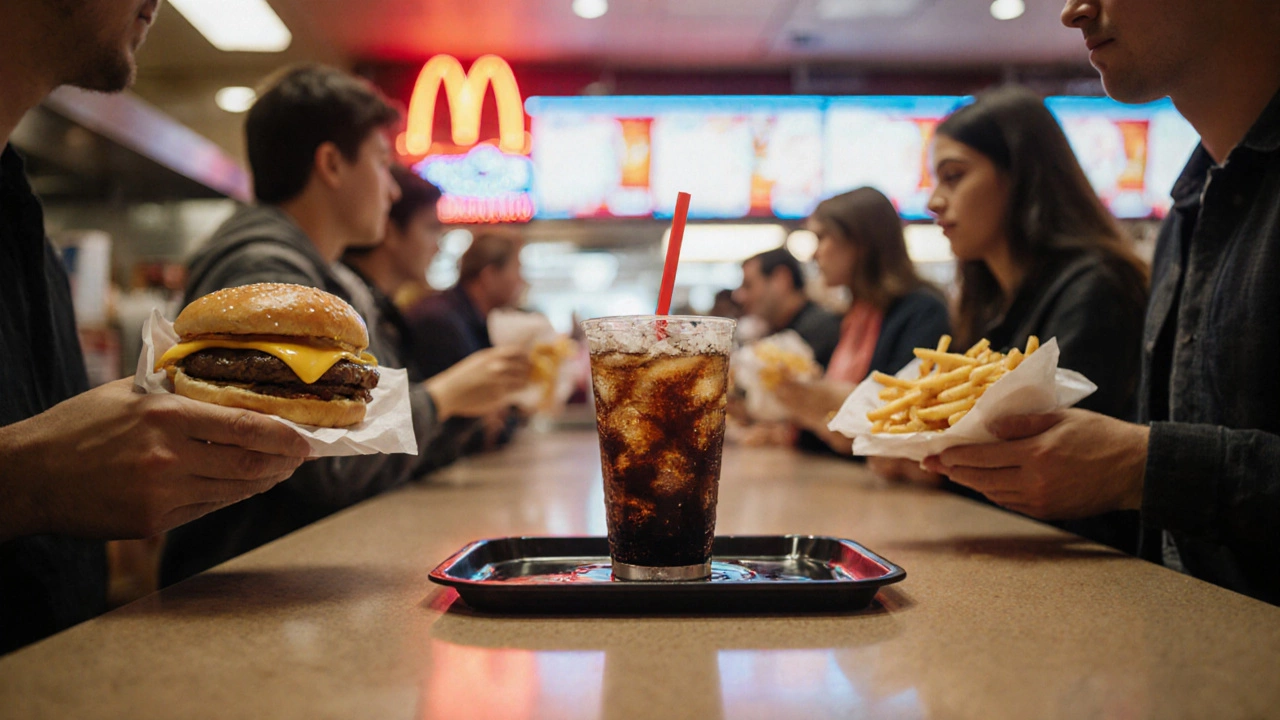
Which Country Has the Unhealthiest Diet? 2025 Rankings
Discover which nation tops the list of unhealthiest diets in 2025, why it ranks that way, and practical steps for governments and individuals to improve nutrition.

Recent Posts

Understanding Orthopedics: What It Covers
February 3, 2025
How Long Can You Live With Cancer Without Knowing?
January 16, 2026
What is a cheaper version of Wegovy? Affordable alternatives explained
November 17, 2025