Natural Remedies: Proven Ways to Support Health Without Prescription Drugs
When people talk about natural remedies, practices or substances used to treat or prevent illness without synthetic drugs. Also known as holistic health approaches, they’re not just ancient traditions—they’re being backed by modern science in ways you might not expect. In India, where healthcare access varies widely, natural remedies aren’t a luxury. They’re a daily tool—used by millions to manage energy, digestion, immunity, and even mood.
Take Ayurveda, a 5,000-year-old system of medicine focused on balance between body, mind, and environment. It’s not about herbal teas and incense. It’s about what you eat first thing in the morning. According to Ayurveda, starting your day with warm, cooked food—not coffee or raw fruit—triggers digestion in a way that raw foods simply can’t. That’s why one of the top posts here breaks down exactly what to eat at dawn to boost your metabolism and reduce bloating. It’s not guesswork. It’s a system.
Then there’s vitamin D3, a hormone-like nutrient your body makes from sunlight, but most urban Indians are severely deficient in. You’ll see it listed as the #1 supplement people actually need—not ashwagandha, not magnesium, not turmeric. Why? Because it directly affects immunity, depression, bone strength, and even how well your body responds to infections. This isn’t folklore. It’s data from Indian clinics showing that over 70% of adults here have levels below the safe threshold.
And what about CoQ10, a compound your body produces naturally to fuel cells and protect the heart? It’s not just for older people on statins. If you’re tired all the time, have heart issues, or are trying to get pregnant, your body might be running low. CoQ10 doesn’t cure anything. But it helps your cells do their job better—and that’s the whole point of natural remedies. They don’t force change. They support your body’s own systems.
These aren’t random herbs you find in a bazaar. They’re targeted, science-informed tools. You’ll find posts here that compare vitamin D3 to ashwagandha, explain why CoQ10 helps with fatigue from heart meds, and show how Ayurveda’s morning routine beats Western coffee culture for sustained energy. Some of these remedies are free—like sunlight or warm water. Others cost a few rupees a day. But all of them are backed by real people using them in India, not just studies from labs overseas.
What you won’t find here are miracle cures. No one’s selling you a potion that cures cancer. But you will find honest answers: What actually helps with digestion? What supplement do doctors in Mumbai actually recommend? Why does fatigue stick around even after sleep? The answers lie in how your body works—not in marketing slogans.
Below are real stories, real data, and real routines from people who’ve tried these remedies—not as alternatives to medicine, but as partners to it. Whether you’re managing diabetes with metformin, recovering from surgery, or just tired of feeling off all the time, the right natural support can make a difference. No hype. No fluff. Just what works, in the Indian context, today.

Best Natural Herb for Health: Which Herbal Supplement Should You Choose?
Curious about which natural herb stands out for health? Uncover facts, benefits, and tips on taking herbal supplements safely and wisely for real results.


Most Healing Herb: What Packs the Biggest Punch?
People always argue about which herb is truly the most healing. This article digs into well-known, high-impact herbs, what makes a herb 'healing,' and how regular folks actually use them. It weighs the science, shares real-life tips for boosting wellness, and looks out for side effects. If you're curious about herbal supplements and want to know what really works, you're in for some clear, practical answers.

Is it Possible to Reverse Grey Hair in Ayurveda? Your Guide to Ancient Solutions
Grey hair showing up early can feel frustrating, but Ayurveda claims to have a few tricks up its sleeve. This article digs into whether reversing grey hair is possible with Ayurvedic methods and what science has to say about it. You’ll find easy tips, authentic herbs, and lifestyle habits that might help slow down the process. Plus, you’ll learn what works, what doesn’t, and how to tell the difference. Plenty of the advice is simple to start using right away.

Is it OK to Take Herbal Supplements?
Herbal supplements are popular for their natural appeal and potential health benefits, but it's crucial to understand their effectiveness and safety. This article explores what herbal supplements actually are, whether they're truly beneficial, potential risks and interactions, and tips for making informed choices. With insights into how these natural remedies might fit into your lifestyle, you'll be better equipped to decide if they're right for you.
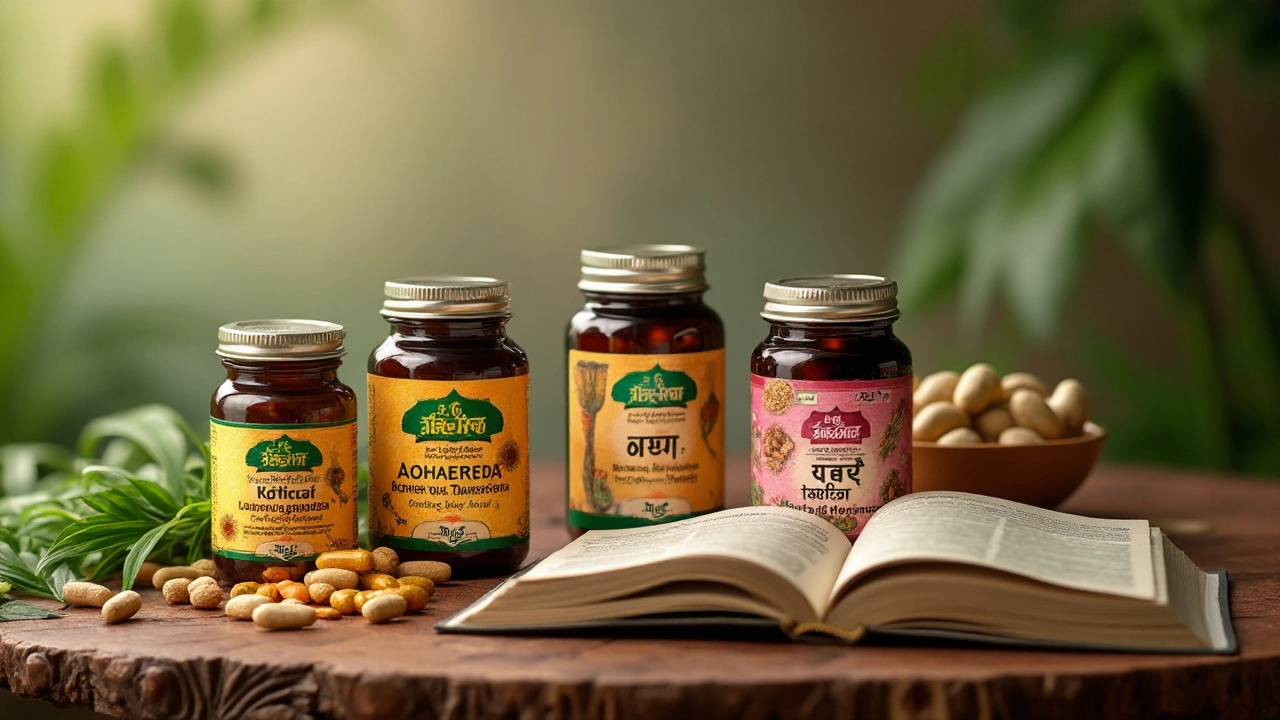
The Truth About Herbal Supplements: Do They Really Work?
The article explores the efficacy of herbal supplements, delving into whether they truly provide the health benefits they advertise. It examines scientific studies, expert opinions, and real-world experiences to provide a balanced view. The discussion includes potential benefits and risks, insights into popular herbs, and tips for making informed choices. With this comprehensive guide, readers can better understand how to approach herbal supplements in their wellness journey.
Recent Posts
The Truth About Herbal Supplements: Do They Really Work?
January 1, 2025
Bad Knees: The #1 Mistake That Makes Them Worse
May 13, 2025
Oral Activity Post-Heart Surgery: What's Safe and What's Not?
January 30, 2025
Understanding Your Visit to an Orthopedic Specialist
January 10, 2025