Knee Recovery: What to Expect, How to Speed Up, and Real Tips from Indian Patients
When you’re going through knee recovery, the process of healing and regaining movement after knee surgery or injury. Also known as post-operative knee rehabilitation, it’s not just about waiting for pain to fade—it’s about rebuilding strength, mobility, and confidence step by step. Many people in India assume that if the swelling goes down and the pain lessens, they’re done. But that’s when the real work begins. Knee recovery isn’t a one-size-fits-all timeline. For some, walking without a cane takes three weeks. For others, it takes three months. What matters is what you do every single day after surgery.
Knee replacement recovery, the specific healing path after total knee replacement surgery follows a clear pattern, even if it feels messy. The first 48 hours are the toughest—most patients say day two is the hardest. That’s when the anesthesia wears off, the swelling peaks, and moving your leg feels impossible. But here’s what no one tells you: the pain isn’t a sign you’re doing something wrong. It’s your body’s way of telling you it’s healing. The key isn’t to push through the pain—it’s to move within it. Gentle ankle pumps, breathing exercises, and short walks around the room on day one can cut your hospital stay and speed up your return to normal life.
Then there’s post knee surgery care, the daily habits that prevent complications and support healing. Showering too soon? That’s a common mistake. Waiting too long to move? That’s an even bigger one. Keeping the incision dry for the first 48 hours, using a shower chair, and watching for redness or unusual drainage are simple steps that prevent infections. In India, where many patients recover at home with family help, knowing what signs mean trouble—like sudden fever, numbness, or a leg that feels hot and swollen—can be life-changing. You don’t need fancy equipment. A pillow under your knee, a walker from the local pharmacy, and daily stretches taught by a physiotherapist for just 15 minutes can make all the difference.
And let’s talk about knee rehab exercises, the targeted movements that restore function after knee injury or surgery. No, you don’t need to do 100 squats. You need to straighten your leg fully, bend it past 90 degrees, and walk without limping. These aren’t optional. Skipping them leads to stiffness, muscle loss, and long-term pain. Many patients in Delhi, Chennai, or Lucknow skip rehab because they think it’s expensive or unnecessary. But the truth? The cheapest rehab is the one you do at home—every day. Heel slides, quad sets, and straight leg raises take less than five minutes. Do them while watching TV. Do them before bed. Do them even if your knee aches. Consistency beats intensity every time.
This collection of posts gives you the real talk—not the brochures, not the hospital pamphlets. You’ll find out why day three after knee replacement often feels worse than day two, what to eat to reduce swelling, how to sleep without waking up in pain, and which painkillers actually work without side effects in the Indian context. You’ll read what patients in small towns and big cities have learned the hard way. No fluff. No promises of miracle cures. Just what works, what doesn’t, and what most doctors don’t have time to explain.
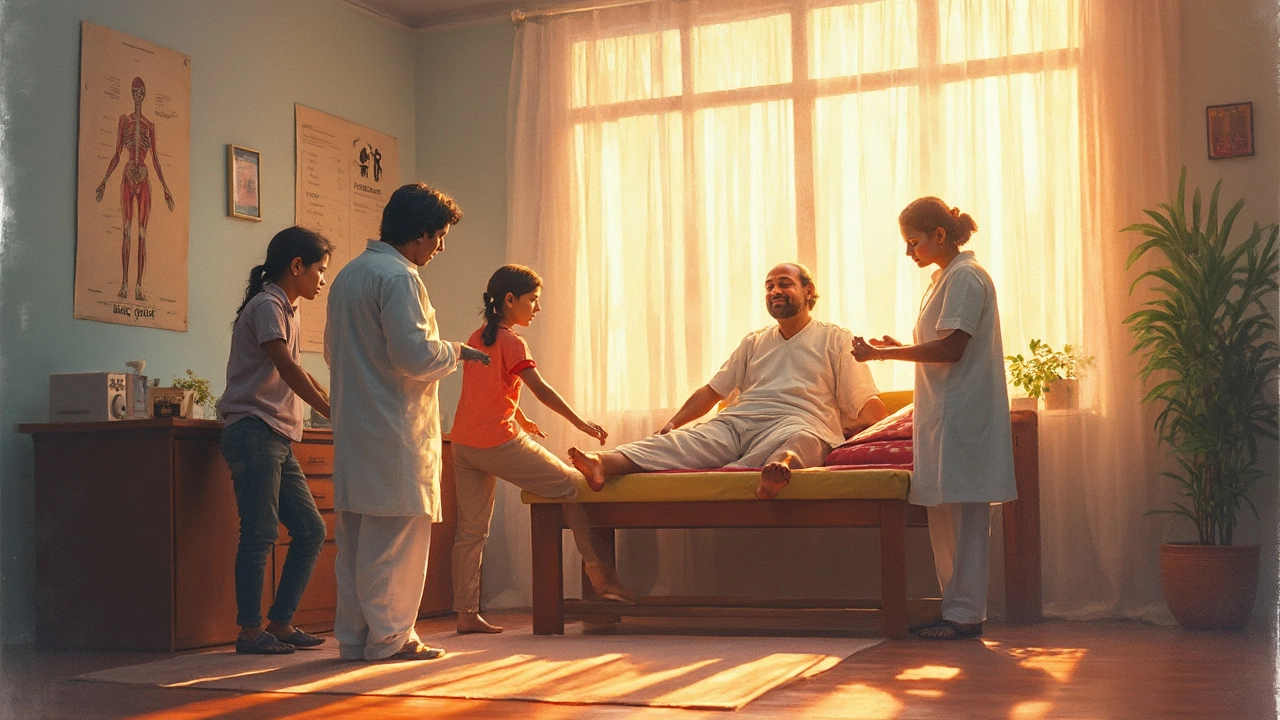
Can You Reverse Knee Stiffness with Effective Strategies?
Knee stiffness, especially following knee replacement surgery, can be a frustrating hurdle for many patients. While it might seem like a permanent consequence, various methods can help alleviate this rigidity. From physiotherapy techniques to lifestyle adjustments, understanding and implementing these strategies can lead to improved mobility. It's about finding the right mix of approaches to personalize your recovery journey.

Recent Posts

What is the most popular medication for diabetes?
December 16, 2025
Best Overall Health Test: Choosing the Right Comprehensive Screening
October 23, 2025