Heart Surgery Recovery: What to Expect and How to Heal Faster
When you or someone you love has had heart surgery, a major operation to repair or replace damaged heart tissue, often after a heart attack or severe blockage. Also known as open-heart surgery, it’s not just about the procedure—it’s about the long road back to feeling like yourself again. This isn’t a quick fix. Recovery isn’t measured in days, but in weeks and months. And it’s not just physical. Your emotions, energy levels, and even your sleep can feel off for a while. That’s normal.
Many people don’t talk about how hard the first few weeks are. The pain isn’t sharp anymore—it’s deep, dull, and constant. Your sternum is wired shut. Breathing feels heavy. Getting out of bed takes planning. You’ll notice your arms feel weak, your appetite is gone, and you’re tired even after napping. This is where cardiac rehabilitation, a structured program of exercise, education, and emotional support designed specifically for heart surgery patients becomes essential. It’s not optional. It’s the bridge between hospital discharge and real recovery. Studies show people who stick with rehab cut their risk of another heart event by nearly 30%. And it’s not just about walking on a treadmill. It’s learning how to lift safely, how to manage medications, and how to spot warning signs like swelling, chest tightness, or sudden dizziness.
Then there’s the mental side. post open-heart surgery, the period after heart surgery when the body is healing and emotions are often unstable can bring anger, sadness, or even panic. You might cry for no reason. You might snap at loved ones. That’s not weakness—it’s your body adjusting to major trauma, plus the effects of steroids, painkillers, and sleep disruption. You’re not alone. Thousands feel this way. The key is to name it, not shame it.
Recovery isn’t a straight line. Some days you’ll feel like you’re making progress. Other days, you’ll feel like you’ve gone backward. That’s part of the process. What matters is consistency. Walking a little more each day. Eating meals with protein and veggies. Taking your meds on time. Talking to someone—even if it’s just a nurse or a friend who’s been through it.
And don’t let anyone tell you to "just push through." Healing after heart surgery is a careful balance. Too much too soon can cause setbacks. Too little can lead to muscle loss and depression. The goal isn’t to get back to normal fast—it’s to get back to a life that’s stronger, smarter, and more aware.
Below, you’ll find real stories and practical advice from people who’ve walked this path. From the first shower after surgery to how to handle sleepless nights, from what to eat to when to call your doctor. No fluff. Just what works—based on real experiences in India and beyond.
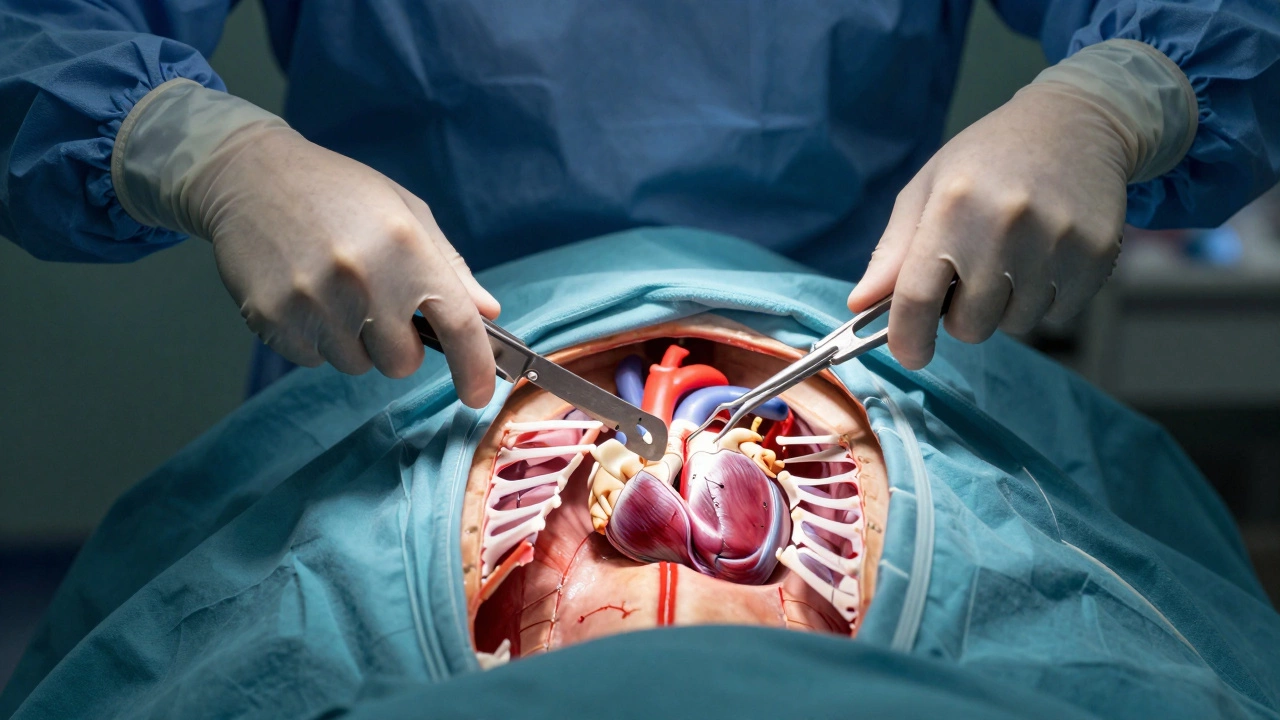
Do They Have to Break Your Ribs for Open Heart Surgery?
Open heart surgery doesn’t break your ribs - it cuts through the sternum. Learn how the procedure works, what to expect in recovery, and why this method remains the gold standard for heart repairs.


Unusual Post-Heart Surgery Behaviors Explained
Explore the unexpected symptoms after heart surgery, learn why they happen, how to spot red‑flag signs, and get practical tips for a smoother recovery.

Personality Change After Open-Heart Surgery: What’s Really Going On?
Open-heart surgery is a huge deal, and for some patients, life feels different afterward in ways that go beyond physical healing. Family members and patients may notice mood swings, memory problems, or a totally different outlook than before. This article digs into why personality changes happen after heart surgery, what to expect, and how to manage the journey. You’ll find tips for spotting real red flags, helping your loved one cope, and even recognizing when things should get better. Get practical advice and real facts, all in plain English.

Oral Activity Post-Heart Surgery: What's Safe and What's Not?
After undergoing heart surgery, patients often have questions about resuming various aspects of their life, including intimacy. It's important to understand how oral activities can be resumed safely and what considerations are necessary to ensure heart health is not compromised. Exploring the timing, potential risks, and communication with healthcare providers can provide clarity for individuals navigating this sensitive topic.
Recent Posts

How Long to Walk Normally After Knee Replacement?
March 17, 2025


Fastest Way to Recover from Knee Replacement
February 5, 2025