Global Health: What It Really Means for India and You
When we talk about global health, the collective efforts to improve health outcomes across nations, regardless of borders. Also known as international health, it’s not just about pandemics or aid missions—it’s about how medicine in one part of the world changes what’s available, affordable, and effective right here in India. The drugs you take, the screenings you get, even the way your doctor talks about weight loss or diabetes—those aren’t random choices. They’re shaped by global research, supply chains, and policies that cross oceans.
Take health equity, the principle that everyone should have fair access to care, no matter income or location. In India, that means a woman in rural Bihar and a man in Mumbai should both get the same chance at life-saving treatments like GLP-1 agonists or vitamin D3 supplements. But reality? Cost, awareness, and infrastructure create gaps. That’s why global health matters here: it pushes for solutions that work in low-resource settings, not just fancy clinics in the West. The same science behind Ozempic’s weight loss effect is now being studied for affordability in Indian markets. The same data showing vitamin D deficiency in urban Indians is being used to shape national guidelines.
disease prevention, stopping illness before it starts through vaccines, diet, and early screening. That’s not just a WHO slogan. It’s why your doctor might recommend a comprehensive health checkup instead of waiting for symptoms. It’s why Ayurvedic morning routines are being studied alongside Western nutrition science—not to replace one, but to find what actually works for Indian bodies. Global health doesn’t mean copying the U.S. or Europe. It means adapting what’s proven, locally. When a study finds that mental health therapy works better with exercise and sleep, that’s not just a paper—it’s a new way your doctor might suggest helping you feel better.
And it’s not just about drugs. It’s about who gets to prescribe them. It’s about whether an online pharmacy in Delhi is safe or risky. It’s about why the hardest day after knee replacement feels the same whether you’re in Texas or Tamil Nadu. Global health connects these dots. It shows why the unhealthiest diet in the world isn’t just a headline—it’s a warning for Indian families eating more processed foods than ever. It explains why IVF challenges in India mirror those in the U.S., even if the costs are different.
Below, you’ll find real stories and clear answers about what’s changing in Indian medicine because of global health. Not theory. Not guesswork. Things people are actually dealing with: how to get cheaper weight loss meds, why vitamin D3 beats every herbal supplement for most Indians, what happens when your body shuts down from cancer, and how to pick a health test that doesn’t waste your money. These aren’t random posts. They’re pieces of a bigger picture—how the world’s health decisions land on your kitchen table, your pharmacy shelf, and your doctor’s office.
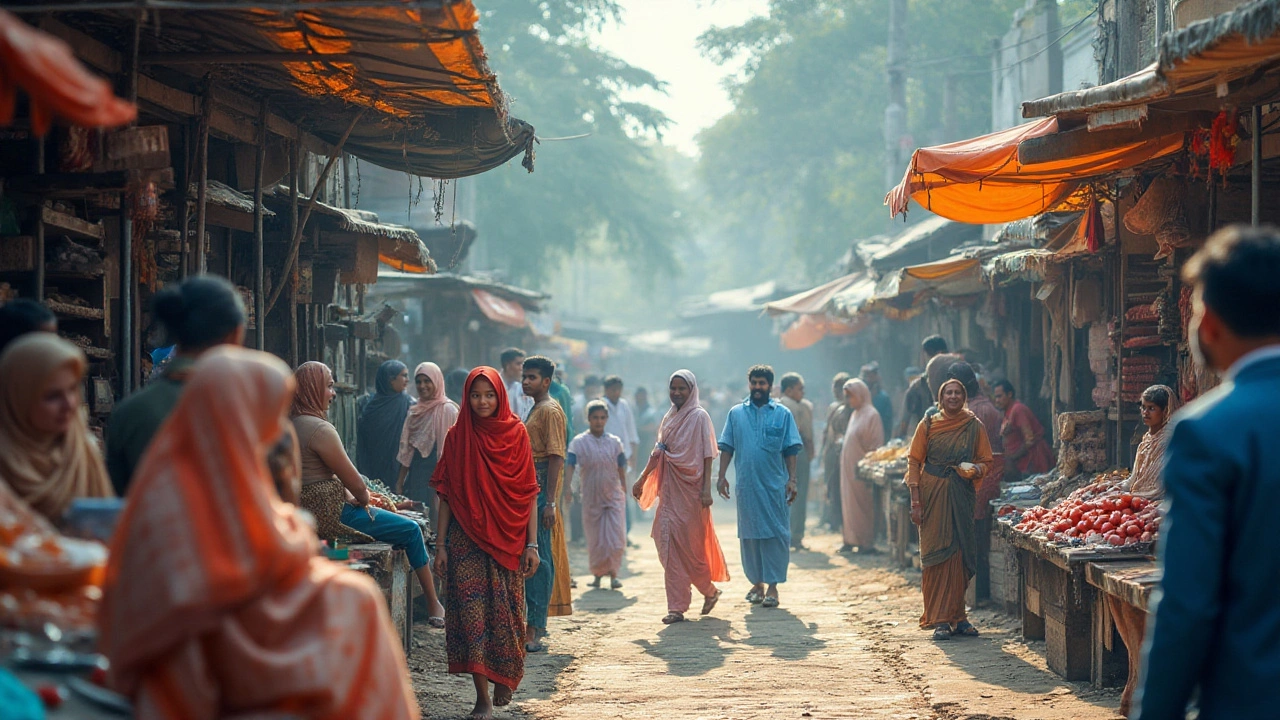
The Most Ailment-Prone Countries and the Rise of Medical Tourism
Medical tourism has become a popular choice for individuals seeking quality healthcare solutions at affordable prices. While many countries invest in attracting patients from abroad, others struggle with high illness rates among their populations. Understanding which countries face the most health challenges and why can offer insights into global health trends and healthcare options. This discussion explores the factors contributing to high illness rates and highlights how some countries are becoming sought-after medical destinations.

Recent Posts

Is it OK to Take Herbal Supplements?
April 15, 2025
Most Popular Diabetic Pill: What You Need to Know
March 18, 2025

Bad Knees: The #1 Mistake That Makes Them Worse
May 13, 2025