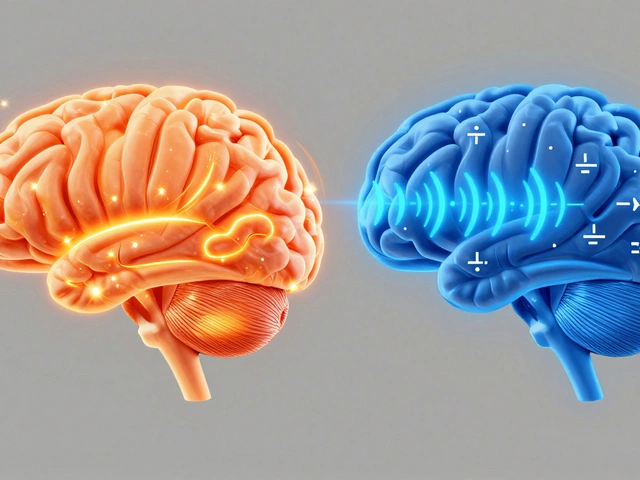
Genetics in Indian Medicine: How DNA Shapes Health, Disease, and Treatment
When we talk about genetics, the study of genes and how traits are passed from parents to children. Also known as heredity, it’s not just about eye color or height—it’s the hidden code behind why some people get diabetes early, why certain cancers run in families, and why a drug that works for one person might do nothing for another. In India, where family histories are deeply tracked and multigenerational living is common, genetics isn’t abstract science. It’s everyday reality.
Genetics connects directly to inherited diseases, health conditions passed down through genes, like sickle cell anemia, thalassemia, or hereditary heart disorders. In parts of India, up to 1 in 10 people carry the gene for thalassemia—a number far higher than in most Western countries. That’s why pre-marital genetic screening is becoming more common, especially in urban centers. It’s not about fear. It’s about making smarter choices before starting a family.
Then there’s personalized medicine, tailoring treatments based on your unique DNA profile. This isn’t sci-fi anymore. In India, doctors are starting to use genetic tests to pick the right cancer drug, avoid dangerous side effects from common painkillers, or choose the best diabetes medication for your body. One study from a Mumbai hospital showed that patients who got genetically guided diabetes treatment had 40% fewer complications over two years. That’s not a small win.
And let’s not forget genetic testing, the process of analyzing your DNA to find risks or confirm diagnoses. These tests are still expensive and not always covered by insurance, but prices are dropping fast. A basic test for hereditary cancer risk now costs less than a month’s gym membership in many cities. You don’t need to be sick to get one. If your mother had breast cancer before 50, or your father had early heart disease, this could be the most important health decision you make this year.
What you’ll find in these articles isn’t theory. It’s real stories from Indian families dealing with genetic risks. It’s the quiet signs that your body might be shutting down from a condition rooted in your genes. It’s how a simple blood test changed someone’s IVF outcome. It’s why vitamin D isn’t just about bones—it’s tied to gene expression. And it’s how new diabetes drugs like GLP-1 agonists work differently depending on your DNA. This isn’t about blaming your genes. It’s about understanding them so you can take control.

Do IVF Babies Look More Like Mom or Dad? Demystifying Family Resemblance in IVF
Curious if IVF babies resemble their mom or dad more? This article breaks down how genes work in IVF, whether assisted methods change physical traits, and the real influence of egg and sperm selection. Get the facts on resemblance, donor scenarios, and what to expect when starting your own IVF journey. Easy tips and surprising facts for hopeful parents included.

Recent Posts

Fastest Way to Recover from Knee Replacement
February 5, 2025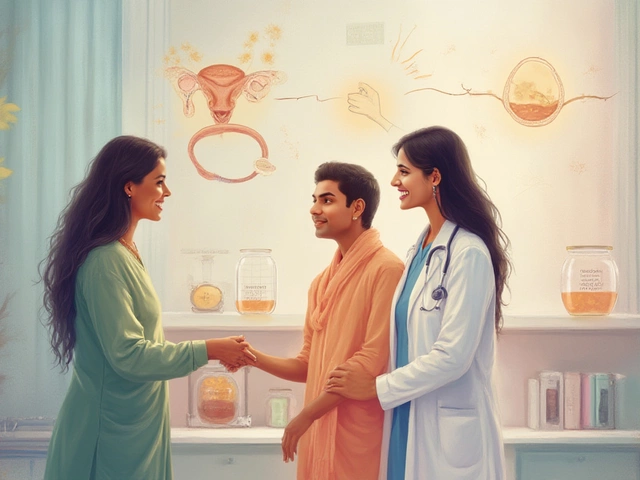

CVS vs Walgreens: Which Pharmacy Wins in 2025?
October 21, 2025