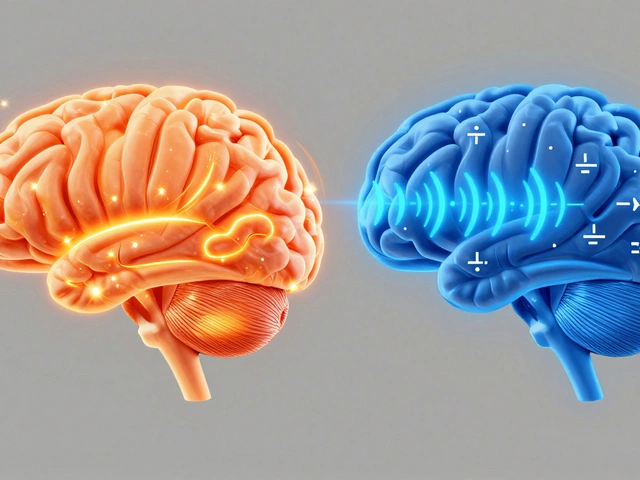
Age and ADHD: How Symptoms Change as You Get Older
When we think of ADHD, a neurodevelopmental condition marked by inattention, impulsivity, and hyperactivity. Also known as attention deficit disorder, it’s often seen as a kid’s problem. But here’s the truth: ADHD doesn’t vanish at 18. For millions, it evolves—sometimes quietly, sometimes painfully—as they age. The hyperactivity fades, but the mental fog, the missed deadlines, the emotional overwhelm? Those stick around. And too many adults spend years blaming themselves for being "lazy" or "disorganized" when what they’re really dealing with is untreated ADHD.
As people get older, the way ADHD shows up changes. In kids, it’s fidgeting and blurting out answers. In adults, it’s forgetting to pay bills, losing keys constantly, or zoning out during meetings. The brain’s frontal lobe, which handles planning and focus, matures slower in people with ADHD—and that delay doesn’t magically fix itself. Studies show that up to 60% of children with ADHD still have noticeable symptoms as adults. And for women, especially, symptoms often get worse after menopause, when estrogen drops and its calming effect on dopamine fades. It’s not a lack of willpower. It’s biology. And it’s not rare. You’re not alone if you’ve spent years thinking you’re just "bad at time management"—you might be struggling with an undiagnosed neurotype that’s been hiding in plain sight.
What makes this even harder is that doctors rarely look for ADHD in older patients. If you’re 45 and struggling to concentrate, your doctor might chalk it up to stress, burnout, or even early dementia. But the signs are different. Dementia makes you forget entire conversations. ADHD makes you forget where you put your phone—five minutes after you set it down. ADHD in adults often shows up as chronic procrastination, emotional sensitivity, or feeling overwhelmed by simple tasks. It’s not about memory loss. It’s about executive function—the brain’s internal boss that tells you what to do first, how to start, and when to stop. When that boss is asleep, everything feels impossible.
And here’s something no one talks about: ADHD in older adults often runs in families. If you’ve got a sibling who was "the wild one" in school, or a parent who was always late, disorganized, or emotionally reactive, there’s a good chance ADHD runs in your bloodline. It’s not a character flaw. It’s a genetic wiring difference. The good news? Once you recognize it, you can manage it. Medication helps. So do structure, routines, and tools like timers and task lists. But first, you have to know what you’re dealing with.
Below, you’ll find real stories and insights from people who’ve lived through this. Some discovered their ADHD in their 30s. Others in their 50s. Some were misdiagnosed with anxiety. Others were told they just needed to "try harder." What they all have in common? They didn’t fail—they were never given the right tools. And now, you have a chance to see what’s really going on.

Does ADHD Worsen With Age? Facts & Insights
Explore whether ADHD intensifies with age, how symptoms shift, key influencing factors, and effective adult management strategies-all in plain language.

Recent Posts

What to Eat First in the Morning According to Ayurveda
November 20, 2025