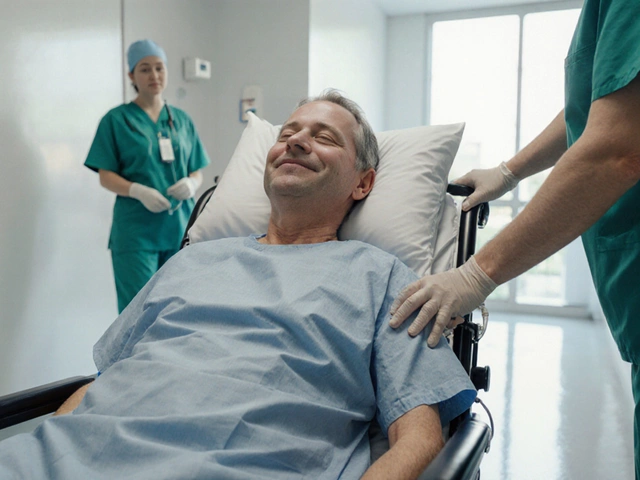
Heart Treatment: What to Expect After Surgery and How to Recover
When you undergo heart treatment, medical care aimed at fixing or managing heart disease, including surgeries like bypass or valve repair. Also known as cardiac treatment, it’s not just about fixing a physical problem—it’s a life-altering event that affects your body, mind, and daily routine. Modern heart treatment is safer than ever, with survival rates higher than in any previous decade. But safety doesn’t mean simplicity. Even successful surgeries leave behind physical fatigue, emotional shifts, and questions about what’s normal during recovery.
Many people don’t realize that open-heart surgery, a major procedure where the chest is opened to operate on the heart. Also known as cardiac surgery, it’s one of the most common types of heart treatment in India doesn’t end when you leave the hospital. Recovery is a months-long process, and it’s not just about healing your chest. Your brain can feel foggy, your mood can swing without warning, and even simple things like sleeping or talking can feel overwhelming. That’s because post heart surgery symptoms, unusual physical or mental changes after heart surgery, including confusion, anger, or loss of interest in daily life are far more common than doctors admit. Studies show nearly half of patients experience some form of emotional or cognitive shift after surgery—not because they’re weak, but because the body and brain are still adjusting to trauma, medication changes, and oxygen fluctuations.
And then there’s the practical side. How long do you really stay in the hospital? Can you live alone after surgery? Is it safe to kiss your partner or even brush your teeth the same way? These aren’t silly questions—they’re critical. The average hospital stay after open-heart surgery is around 5 to 7 days, but that’s just the start. Real recovery happens at home, where you’re alone with your thoughts, your pain, and your fears. Many patients feel guilty for being angry, tired, or scared. But those feelings aren’t signs of failure—they’re normal parts of healing.
This collection of articles cuts through the noise. You’ll find real answers about why personality changes happen after surgery, how to spot warning signs of complications, what the survival rates actually look like in 2025, and how to safely rebuild your independence. Whether you’re a patient, a caregiver, or just trying to understand what your loved one is going through, you’ll find no fluff—just clear, practical guidance based on what people actually experience after heart treatment.
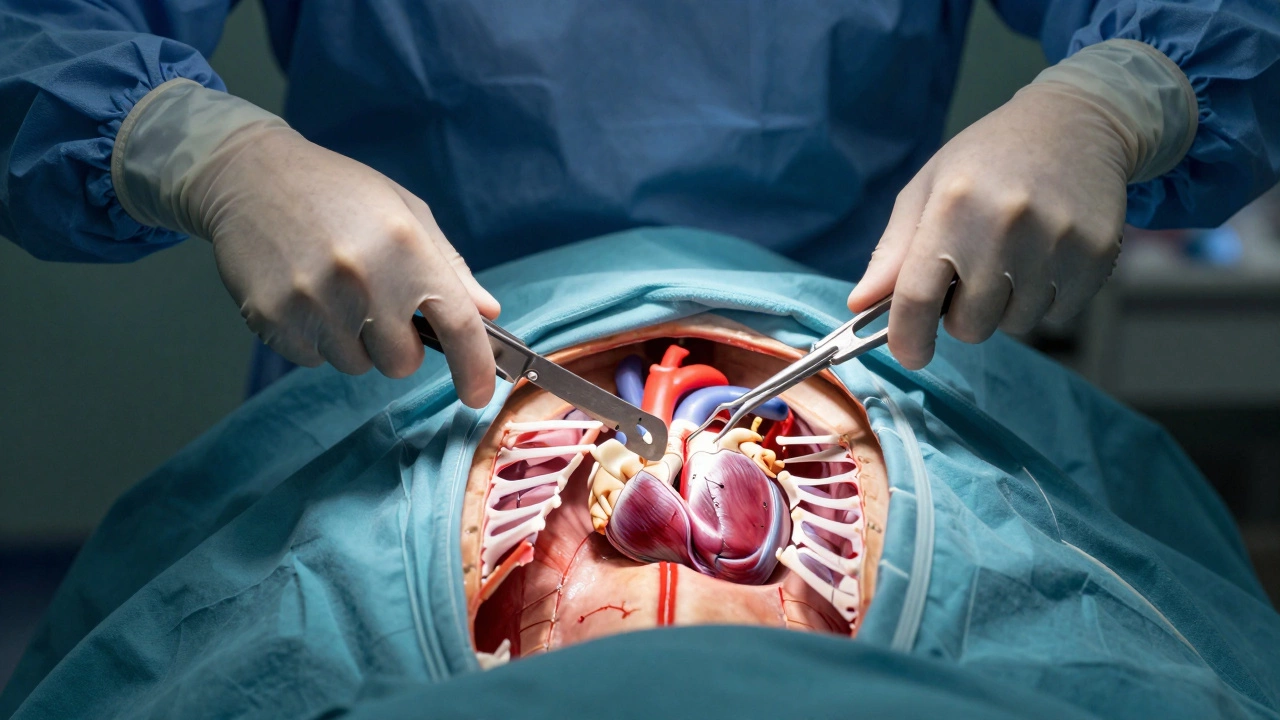
Do They Have to Break Your Ribs for Open Heart Surgery?
Open heart surgery doesn’t break your ribs - it cuts through the sternum. Learn how the procedure works, what to expect in recovery, and why this method remains the gold standard for heart repairs.

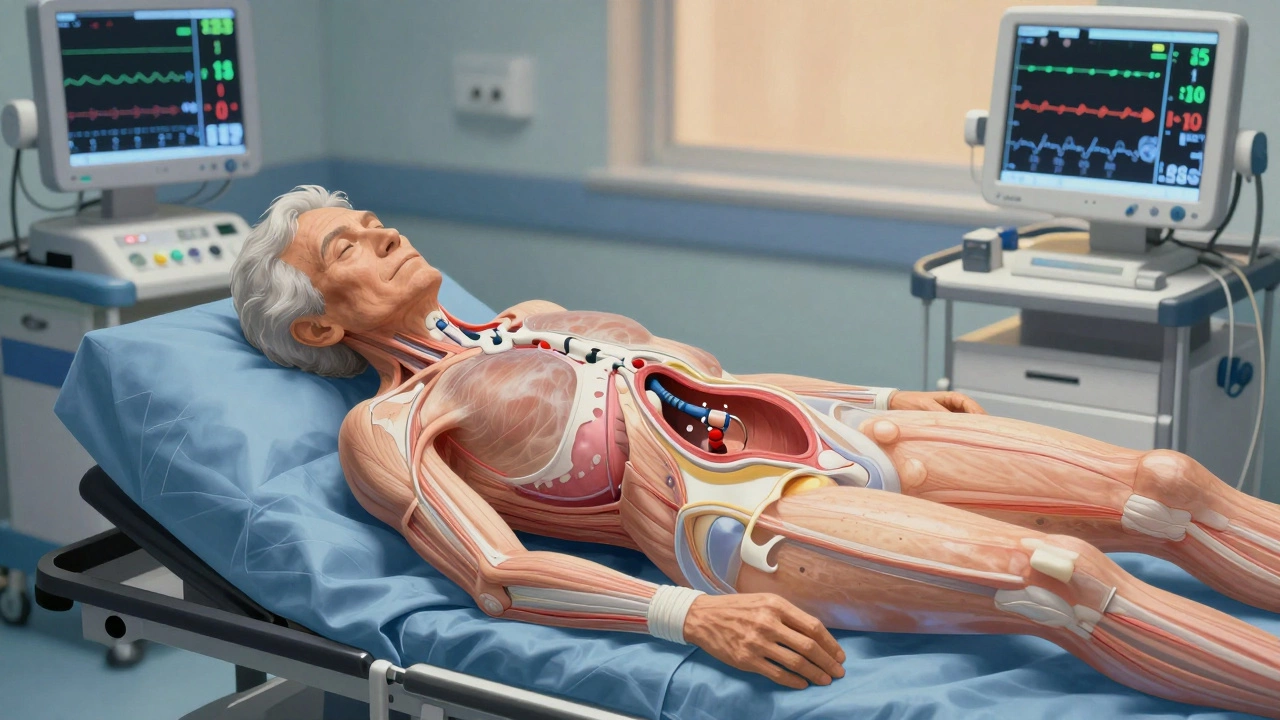
Who Is High Risk for Heart Surgery? Key Factors That Increase Complication Chances
Heart surgery isn't equally risky for everyone. Learn the key health factors that make someone high risk-including age, diabetes, lung disease, kidney problems, and obesity-and what you can do to improve your chances.
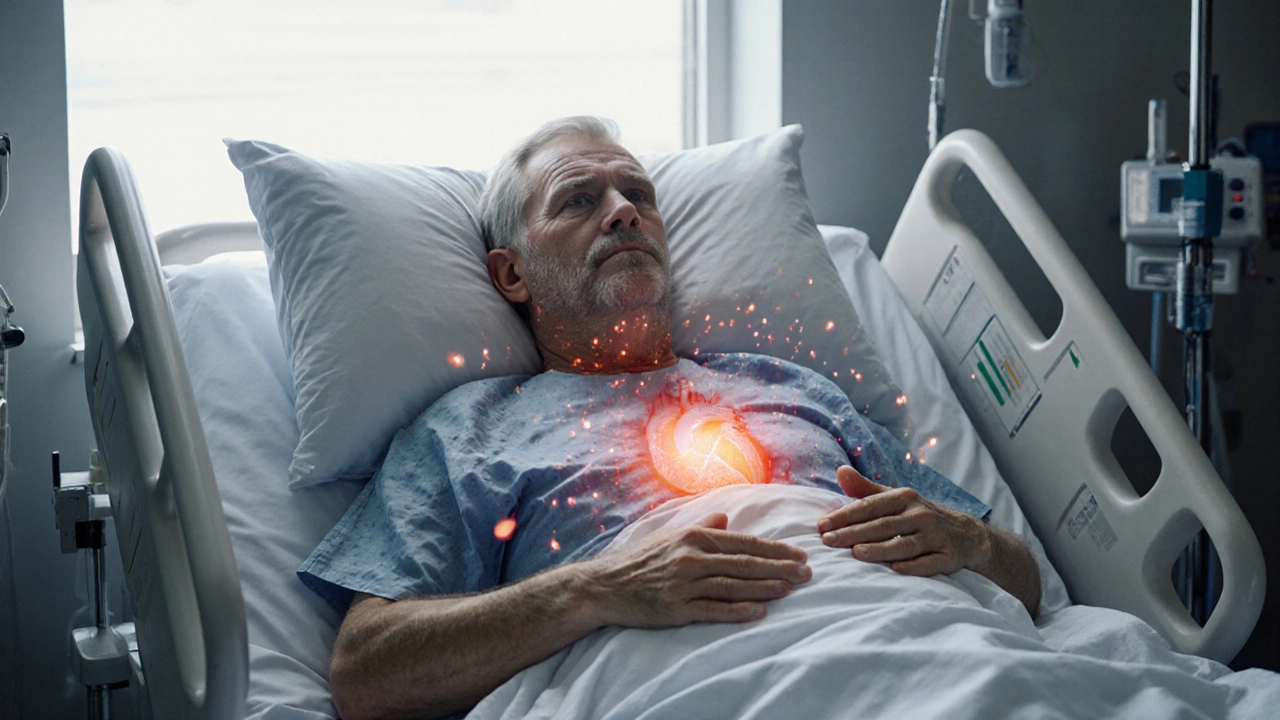
Post-Open-Heart Surgery Anger: Causes and Coping Strategies
Discover why anger often follows open‑heart surgery, learn the physiological and medication triggers, and get practical coping steps to regain emotional balance.

Unusual Post-Heart Surgery Behaviors Explained
Explore the unexpected symptoms after heart surgery, learn why they happen, how to spot red‑flag signs, and get practical tips for a smoother recovery.

Average Hospital Stay After Open-Heart Surgery: What to Expect & Recovery Tips
Curious about how long you'll stay in the hospital after open-heart surgery? Learn what the average stay looks like, what affects it, and get tips for smoother recovery.

Heart Surgery Survival Rate: How Safe Is Cardiac Surgery in 2025?
Curious about how survivable heart surgery really is? Here’s the no-nonsense scoop on modern heart surgery risks, safety stats, and recovery tips in 2025.

Personality Change After Open-Heart Surgery: What’s Really Going On?
Open-heart surgery is a huge deal, and for some patients, life feels different afterward in ways that go beyond physical healing. Family members and patients may notice mood swings, memory problems, or a totally different outlook than before. This article digs into why personality changes happen after heart surgery, what to expect, and how to manage the journey. You’ll find tips for spotting real red flags, helping your loved one cope, and even recognizing when things should get better. Get practical advice and real facts, all in plain English.

Living Solo After Open-Heart Surgery: A Guide to Regaining Independence
Recovering from open-heart surgery can be a daunting journey, especially when considering the transition to living alone. While physical recovery is crucial, emotional and practical preparations are equally important for regaining independence. From understanding appropriate timelines to recognizing personal readiness, this guide delves into the steps necessary to ensure a safe and successful shift back to solo living. With a blend of expert insights and relatable anecdotes, embark on a journey to reclaim your autonomy with confidence.

Oral Activity Post-Heart Surgery: What's Safe and What's Not?
After undergoing heart surgery, patients often have questions about resuming various aspects of their life, including intimacy. It's important to understand how oral activities can be resumed safely and what considerations are necessary to ensure heart health is not compromised. Exploring the timing, potential risks, and communication with healthcare providers can provide clarity for individuals navigating this sensitive topic.
Recent Posts

What Is the Strongest Form of Therapy for Mental Health?
February 20, 2026
Is It Possible? Understanding 100% Curable Cancers
April 14, 2025
Wegovy: Monthly Cost Uncovered and Explained
March 10, 2025