Surgery Recovery Estimator
Select a procedure below to view estimated recovery milestones, pain levels, and return-to-work timelines based on medical guidelines.
Recovery Profile
General EstimateKey Recovery Challenges & Tips
Description of pain intensity...
You just walked out of the hospital after a major procedure. The pain meds are wearing off, and reality hits hard: this wasn't just a minor fix. You're wondering if you'll ever feel like yourself again. While every surgery carries its own set of challenges, some procedures demand a level of physical and mental endurance that borders on heroic. If you or a loved one are facing a complex operation, understanding what makes certain surgeries uniquely difficult can help you prepare mentally and physically for the road ahead.
So, what actually counts as the "hardest" recovery? It isn't just about how long you stay in the hospital. It's about the intensity of pain, the duration of restricted movement, the complexity of wound healing, and the risk of complications. When we talk about the hardest surgery to recover from, we often point toward major cardiac operations, extensive spinal reconstructions, and organ transplants. These aren't just medical events; they are life-altering journeys.
The Heavyweight Champion: Open Heart Surgery
When most people ask about the toughest recoveries, surgeons usually point to open heart surgery. Specifically, coronary artery bypass grafting (CABG) and valve replacements top the list. Why? Because your chest cavity was literally cracked open. The sternum, or breastbone, had to be divided to give surgeons access to your heart. This bone then needs to heal back together, which takes weeks and requires strict precautions against lifting or twisting.
Open Heart Surgery is defined as a surgical procedure where the chest is opened to perform surgery on the heart, often requiring the heart to be stopped temporarily while a cardiopulmonary bypass machine maintains circulation. Unlike laparoscopic procedures that use small incisions, this approach involves significant trauma to the chest wall and ribs.
The first few days are brutal. You have tubes in your nose, mouth, and chest. Breathing deeply hurts because your lungs need to expand fully to prevent pneumonia, but moving your torso triggers sharp pain at the incision site. Most patients report that the first two weeks are the hardest emotionally and physically. You feel fragile, exhausted, and often confused due to anesthesia effects. However, by week six, many patients start feeling a noticeable shift. By three months, the majority return to normal activities, though full strength may take up to six months to regain.
Beyond the Heart: Other Contenders for the Title
While heart surgery gets the headlines, it doesn't hold the monopoly on tough recoveries. Several other categories of surgery present equally daunting challenges, depending on the patient's age, overall health, and specific complications.
Spinal Fusion and Reconstruction
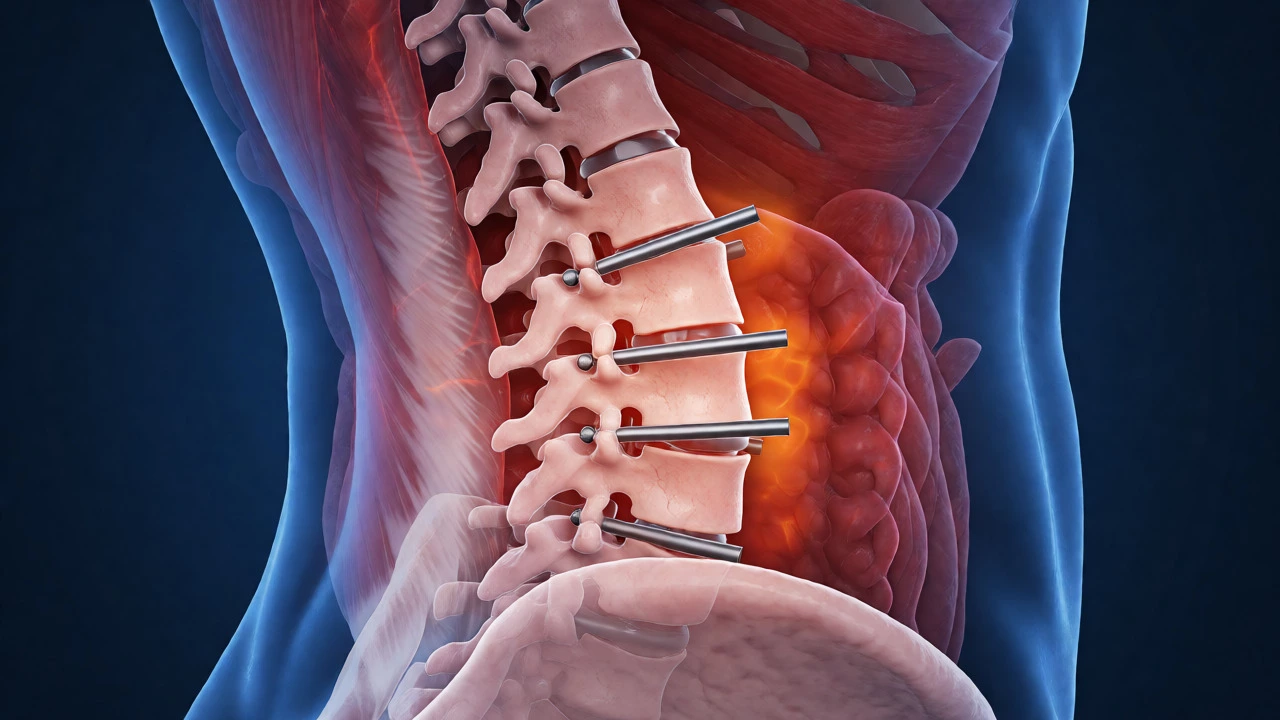
If you've ever tried to sleep with a fused spine, you know the struggle. Spinal fusion, particularly when multiple vertebrae are involved, restricts mobility significantly. The pain isn't just at the incision site; it radiates through muscles that have been stripped away from the bone during surgery. Patients often describe a sensation of stiffness that lasts for months. Walking becomes a conscious effort rather than an automatic reflex. Physical therapy here is non-negotiable and exhausting, aiming to rebuild core strength without stressing the newly fused bones.
Organ Transplants
A kidney transplant might sound simpler than a heart transplant, but the recovery has its own unique hurdles. It’s not just about healing the surgical site; it’s about managing a new immune system response. You’re introducing a foreign object into your body, and your body fights it. Anti-rejection medications come with side effects like tremors, high blood pressure, and increased susceptibility to infections. The psychological burden is heavy too-patients live with the constant awareness that their new organ could fail, requiring lifelong vigilance and medication adherence.
Major Abdominal Surgeries
Procedures like Whipple procedures for pancreatic cancer or extensive bowel resections involve navigating through dense networks of nerves and organs. The risk of infection is higher because the abdomen houses bacteria-rich intestines. Post-surgery, patients often face issues with digestion and absorption of nutrients, leading to weight loss and fatigue. The internal healing process is slow, and any strain too early can lead to hernias or wound dehiscence (where the wound opens up).
Why Is Recovery So Hard? Breaking Down the Factors
It’s easy to say "it hurts," but why do some surgeries hurt more than others? It comes down to tissue trauma, nerve involvement, and systemic impact.
- Tissue Trauma: Cutting through muscle and bone causes more inflammation than cutting through skin alone. The body sends resources to repair these deep tissues, causing swelling and heat.
- Nerve Damage: Nerves run close to surgical sites. Even if not cut, they can be stretched or compressed, leading to neuropathic pain-burning, tingling sensations that don’t respond well to standard painkillers.
- Systemic Stress: Major surgery puts the entire body under stress. Your heart works harder, your metabolism spikes, and your immune system goes into overdrive. This systemic load contributes to profound fatigue that sleep alone can’t fix.
Consider the difference between a knee replacement and a hip replacement. Both are orthopedic, but hip surgery often involves deeper muscle dissection. Consequently, hip replacement patients sometimes report a longer period of limping and difficulty sitting comfortably compared to knee patients who focus heavily on bending exercises immediately.
Comparing Recovery Timelines and Challenges
To help you visualize the differences, here is a comparison of common major surgeries. Note that individual experiences vary widely based on age and pre-existing conditions.
| Surgery Type | Hospital Stay | Pain Level (First Week) | Return to Desk Work | Full Activity |
|---|---|---|---|---|
| Coronary Artery Bypass Graft (CABG) | 4-7 Days | High (Chest/Ribs) | 6-8 Weeks | 3-6 Months |
| Lumbar Spinal Fusion | 3-5 Days | Very High (Back/Legs) | 4-6 Weeks | 6-12 Months |
| Kidney Transplant | 5-10 Days | Moderate-High (Incision) | 4-6 Weeks | 3-6 Months |
| Total Hip Replacement | 1-3 Days | Moderate (Hip/Groin) | 4-6 Weeks | 3-6 Months |
This table highlights a key insight: shorter hospital stays don't always mean easier recoveries. Spinal fusion patients leave the hospital relatively quickly but suffer from chronic discomfort for much longer than heart patients, whose acute pain phase passes faster once the sternum stabilizes.
How to Survive the Toughest Recoveries
Knowing what to expect changes everything. Preparation is half the battle. Here are practical steps to ease the journey, whether you're facing heart surgery or another major procedure.
Pre-Habilitation: Train Before You Gain
Don't wait until after surgery to start exercising. Pre-habilitation, or "prehab," involves strengthening your body before the operation. For heart patients, this means light walking and breathing exercises. For spinal patients, it’s core stabilization. Studies show that patients who engage in prehab spend fewer days in the ICU and report lower pain scores. Think of it as building a financial reserve before a big expense; your body needs energy reserves to heal.
Pain Management: Beyond Pills
Relying solely on opioids leads to constipation, foggy thinking, and dependence. Modern recovery protocols emphasize multimodal pain management. This includes ice packs, elevation, anti-inflammatory drugs (like ibuprofen, if approved by your doctor), and gentle movement. Distraction techniques also work surprisingly well. Listening to audiobooks or engaging in light conversation can lower perceived pain levels by shifting focus away from the injury site.
Nutrition: Fueling the Repair Crew
Your body is a construction site right now. It needs materials. Protein is critical for tissue repair. Aim for lean meats, eggs, beans, or dairy. Hydration helps flush out anesthesia byproducts and keeps bowels moving-a major concern after abdominal or pelvic surgeries. Don't skip meals even if your appetite is low. Small, frequent snacks are better than three large, overwhelming dinners.

The Psychological Toll: It’s Not Just Physical
We often overlook the mental aspect of recovery. Post-operative depression is real. The combination of pain, isolation, and loss of independence can trigger anxiety and sadness. Heart surgery patients, in particular, report feelings of vulnerability. They’ve stared death in the face, quite literally. This existential shock can linger.
Support systems matter. Having a family member or friend who understands the limitations-not just offering sympathy but helping with tasks-is crucial. Joining support groups, either online or in-person, connects you with others who "get it." Hearing someone else say, "Yes, that week when you couldn't tie your shoes was awful," validates your experience and reduces feelings of isolation.
When to Worry: Red Flags During Recovery
Not all pain is equal. While discomfort is expected, certain signs indicate something is wrong. Seek immediate medical attention if you experience:
- Fever above 101°F (38.3°C), which could signal infection.
- Redness, warmth, or pus draining from the incision site.
- Shortness of breath or chest pain unrelated to movement.
- Calf pain or swelling, which might indicate a blood clot (DVT).
- Inability to keep fluids down for more than 24 hours.
Early intervention prevents minor setbacks from becoming major complications. Don't hesitate to call your surgeon. That's what they're there for.
Final Thoughts: Resilience is Built, Not Born
Is open heart surgery the hardest? For many, yes. But for a young athlete recovering from ACL reconstruction, or an elderly patient dealing with hip fracture complications, the definition of "hard" shifts. What remains constant is the human capacity to adapt. Recovery isn't linear. You will have good days and bad days. Some mornings you'll feel strong; others, you'll want to stay in bed. Both are part of the process.
The key is patience and realistic expectations. Trust your medical team, listen to your body, and celebrate small victories. Walking to the mailbox might seem trivial, but after major surgery, it’s a triumph. Over time, the pain fades, the scars soften, and life resumes. You’ll look back on this period not with fear, but with pride for having endured it.
Which surgery has the longest recovery time?
Complex spinal fusions and multi-organ transplants often have the longest recovery times, potentially lasting 6 to 12 months or more. Full functional recovery depends on rehabilitation progress and individual health factors.
Is open heart surgery the most painful?
While extremely painful initially, especially in the chest and back, the acute pain phase of open heart surgery typically subsides within 4-6 weeks. Other surgeries like spinal fusions may cause prolonged chronic pain that lasts longer.
How can I speed up my recovery after major surgery?
Focus on nutrition (high protein), hydration, adequate sleep, and gradual movement as permitted by your doctor. Adhering to physical therapy schedules and managing pain effectively without over-reliance on opioids also speeds up recovery.
Why do I feel so tired after surgery?
Surgery places massive metabolic demands on the body. Healing consumes significant energy, and anesthesia effects can linger. Additionally, disrupted sleep patterns and pain contribute to profound fatigue that is a normal part of the healing process.
Can I drive after heart surgery?
Generally, you should avoid driving for 4 to 6 weeks after open heart surgery. This allows the sternum to heal sufficiently to withstand the forces of steering and sudden braking. Always get clearance from your surgeon first.