Amazon Pharmacy Suitability Checker
Answer these quick questions to see if switching to Amazon Pharmacy might save you money or time, or if a local pharmacy is better.
You’re staring at a checkout screen. The price is good. The shipping is fast. But a nagging doubt creeps in: Is Amazon Pharmacy real? You aren’t alone. For years, buying meds online felt like rolling the dice-was it a legitimate service or a sketchy site selling sugar pills? Today, the answer is a resounding yes, but with caveats you need to know before you click "buy."
Amazon Pharmacy isn't just a drop-shipping scheme where a warehouse worker grabs a box from a shelf. It’s a fully licensed mail-order pharmacy operating under strict federal and state regulations. However, "real" doesn't automatically mean "perfect for everyone." This guide breaks down exactly how it works, who should use it, and when your local corner drugstore might still win.
The Short Answer: Yes, But Understand the Model
Amazon Pharmacy is a legitimate, US-based online pharmacy service launched in 2020. It operates as a direct-to-consumer mail-order service, meaning they ship prescriptions directly to your door rather than having you pick them up in person. Unlike third-party sellers on Amazon.com who might sell supplements or over-the-counter (OTC) drugs, Amazon Pharmacy handles controlled substances and standard prescriptions through its own licensed network.
Think of it less like shopping for shoes and more like using a specialized logistics company that happens to be owned by Jeff Bezos. They don’t just slap an Amazon logo on any random pharmacy; they acquired PillPack, a well-established specialty pharmacy, to build this infrastructure. This distinction matters because it means your medical data and prescription handling are managed within Amazon’s secure ecosystem, not by some unknown entity in a basement.
How Does It Actually Work?
The process is designed to remove friction, which is both its biggest strength and potential weakness. Here’s the step-by-step reality:
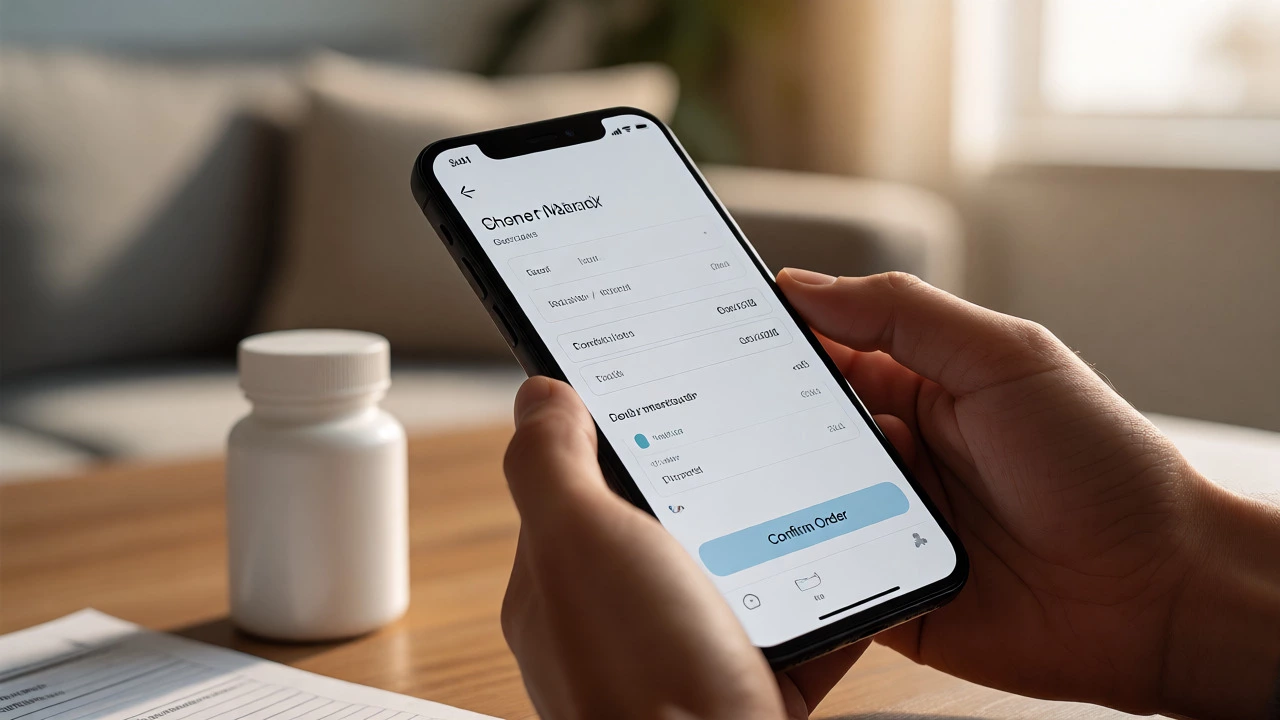
- Transfer Your Prescriptions: You upload your current medication list or transfer prescriptions from another pharmacy. If you have a new prescription, your doctor sends it electronically directly to Amazon Pharmacy.
- Insurance Check: This is the critical step. Amazon Pharmacy accepts most major insurance plans, including Medicare Part D and Medicaid in many states. However, if your insurance has a preferred network that excludes mail-order pharmacies, you might pay out-of-pocket.
- Review and Confirm: A pharmacist reviews your orders for interactions and dosage errors. You get a notification to confirm.
- Shipping: Medications arrive in discrete packaging. Standard delivery is often free for Prime members, with expedited options available.
One key feature is the integration with Amazon RxPass, a subscription service offering generic medications for $5/month per drug. This is particularly useful for people managing chronic conditions like hypertension or high cholesterol who take multiple generics. It simplifies budgeting, turning unpredictable copays into a fixed monthly cost.
Is It Safe? Regulatory Checks and Trust Factors
Safety is the primary concern for anyone asking, "Is Amazon Pharmacy legit?" The short answer relies on two main pillars: accreditation and regulation.
| Indicator | Status | Why It Matters |
|---|---|---|
| State Licensing | Licensed in all 50 states + DC | Ensures legal authority to dispense meds locally. |
| FDA Registration | Registered FDA facility | Complies with federal manufacturing and dispensing standards. |
| Accreditation | Verified Internet Pharmacy Practice Sites (VIPPS) | Third-party verification of quality and patient care standards. |
| Data Security | HIPAA Compliant | Your health records are protected by federal privacy laws. |
The VIPPS accreditation is huge here. Many scam sites lack this seal. Amazon Pharmacy holds this certification, meaning independent auditors have checked their processes for accuracy, security, and patient counseling capabilities. Additionally, because they are part of the larger Amazon ecosystem, they adhere to HIPAA compliance strictly regarding your Protected Health Information (PHI).
However, safety also involves personal vigilance. Always verify the URL starts with `pharmacy.amazon.com`. Scammers create look-alike sites. Also, ensure you are communicating with a licensed pharmacist. Amazon provides access to pharmacists via chat and phone, which is a requirement for legitimate operations.
Pros and Cons: Who Should Use It?
No service is one-size-fits-all. Let’s weigh the trade-offs honestly.
When Amazon Pharmacy Shines
- Chronic Maintenance Meds: If you take the same blood pressure pill every day, auto-refill features save time and often money.
- Privacy Concerns: Some people prefer avoiding face-to-face interactions for sensitive medications (e.g., HIV treatment, mental health meds). Discrete packaging helps here.
- Cost Savings: The $5 RxPass program can undercut traditional copays significantly for generics. Even without it, competitive pricing often beats retail chains.
- Convenience: No driving, no waiting in line. For elderly users or those with mobility issues, home delivery is a game-changer.
When You Might Want to Stick with Local
- Immediate Needs: Shipping takes days. If you have a sudden infection requiring antibiotics today, your local CVS or Walgreens wins.
- Controlled Substances: While Amazon does handle some controlled substances, regulations vary by state, and availability can be spotty compared to local pharmacies. Not all Schedule II-V drugs are shippable everywhere.
- Complex Counseling: If you’re starting a new, complex medication regimen, sitting down with a pharmacist to ask questions face-to-face can be invaluable. Chat support is good, but not always sufficient for nuanced medical advice.
- Insurance Restrictions: Some employer-sponsored plans explicitly exclude mail-order pharmacies or require specific vendors. Check your plan details first.
Comparing Amazon Pharmacy to Competitors
How does it stack up against other big players? Let’s look at the landscape.
| Feature | Amazon Pharmacy | Caremark | Walmart+ Rx |
|---|---|---|---|
| Ownership | Amazon | CVS Health | Walmart |
| Best For | Prime members, generic savings | Existing CVS/Medicare users | Walmart shoppers |
| Delivery Speed | 1-3 days (standard) | Varies by location | Same-day possible in areas |
| Unique Perk | RxPass ($5/mo generics) | Integration with CVS stores | $4 generic list |
| App Experience | Highly integrated with Amazon app | Dedicated Caremark app | Walmart app |
Amazon’s edge is the ecosystem. If you already live in Amazon’s world, adding pharmacy services feels natural. Caremark is strong for those tied to CVS benefits. Walmart+ offers speed but lacks the deep subscription model Amazon has with RxPass.

Pitfalls to Avoid
Even with a legit service, mistakes happen. Here’s what to watch out for:
- Ignoring Insurance Networks: Don’t assume your copay will transfer. Call your insurer to confirm Amazon Pharmacy is in-network before switching.
- Overlooking Shipping Times: Plan ahead. Running out of meds on a Tuesday and ordering on Wednesday might leave you uncovered until Friday.
- Assuming All Drugs Are Available: Specialty drugs (biologics, injectables) might not be handled by the standard Amazon Pharmacy flow. Check specifically for your medication.
- Forgetting to Cancel Old Auto-Refills: When transferring, manually cancel auto-refills at your old pharmacy to avoid double-billing or duplicate shipments.
Final Verdict: Is It Worth Switching?
If you value convenience, have stable chronic conditions, and want to potentially save money on generics, Amazon Pharmacy is absolutely real and worth trying. It removes the hassle of physical trips and integrates seamlessly with digital life. However, if you rely on immediate access, complex counseling, or have restrictive insurance, keeping a relationship with a local pharmacy might be smarter.
Start small. Transfer one non-critical maintenance medication. Test the water. See how the customer service responds, check the packaging, and verify the billing. Once you trust the process, you can consider moving your entire prescription profile over.
Does Amazon Pharmacy accept my insurance?
Amazon Pharmacy accepts most major commercial insurance plans, Medicare Part D, and Medicaid in many states. However, coverage depends on your specific plan's network restrictions. You must enter your insurance information during sign-up to see your exact copay. If your plan doesn't cover mail-order, you may have to pay cash prices, which can sometimes be cheaper than copays anyway.
Can I buy controlled substances from Amazon Pharmacy?
Yes, but with limitations. Amazon Pharmacy dispenses certain controlled substances (Schedule III-V), but availability varies by state due to differing DEA regulations. Schedule II drugs (like certain opioids or stimulants) are generally harder to get via mail order and may not be available through Amazon depending on your location. Always check if your specific medication is eligible for shipping.
What is Amazon RxPass and is it better than insurance?
Amazon RxPass is a subscription service costing $5 per month per medication (or $5 total for up to five drugs if bundled correctly in promotions, though typically it's per drug). It covers a large list of common generic medications. It is often better than insurance copays for these specific generics, especially if you are uninsured or have a high deductible. You cannot combine RxPass with insurance for the same drug; you choose whichever option is cheaper.
Is my medical data safe with Amazon?
Amazon Pharmacy is HIPAA compliant, meaning they are legally required to protect your Protected Health Information (PHI). They use encryption and secure servers similar to other healthcare providers. However, because it is part of the broader Amazon ecosystem, some users worry about data sharing between shopping habits and health profiles. Amazon states that health data is kept separate from general shopping data, but reading their latest privacy policy is always wise.
How do I talk to a pharmacist?
You can contact Amazon Pharmacy pharmacists through the app or website via live chat, or by calling their dedicated support line. They are available to answer questions about side effects, interactions, and usage instructions. While convenient, remember that chat responses may not be as comprehensive as an in-person consultation for complex medical issues.